Get Full Government Meeting Transcripts, Videos, & Alerts Forever!
Get email alerts on the Higher Education Tuition topic
No spam. Unsubscribe anytime.
House committee sends bill raising community college tuition cap to the floor
Summary
The House Committee on Education voted to send House Bill 79 to the floor with a due-pass recommendation. The bill would raise the statutory cap on community college tuition from $2,500 to $3,250; a separate state-code limit that tuition increases cannot exceed 10% in any year remains unchanged.
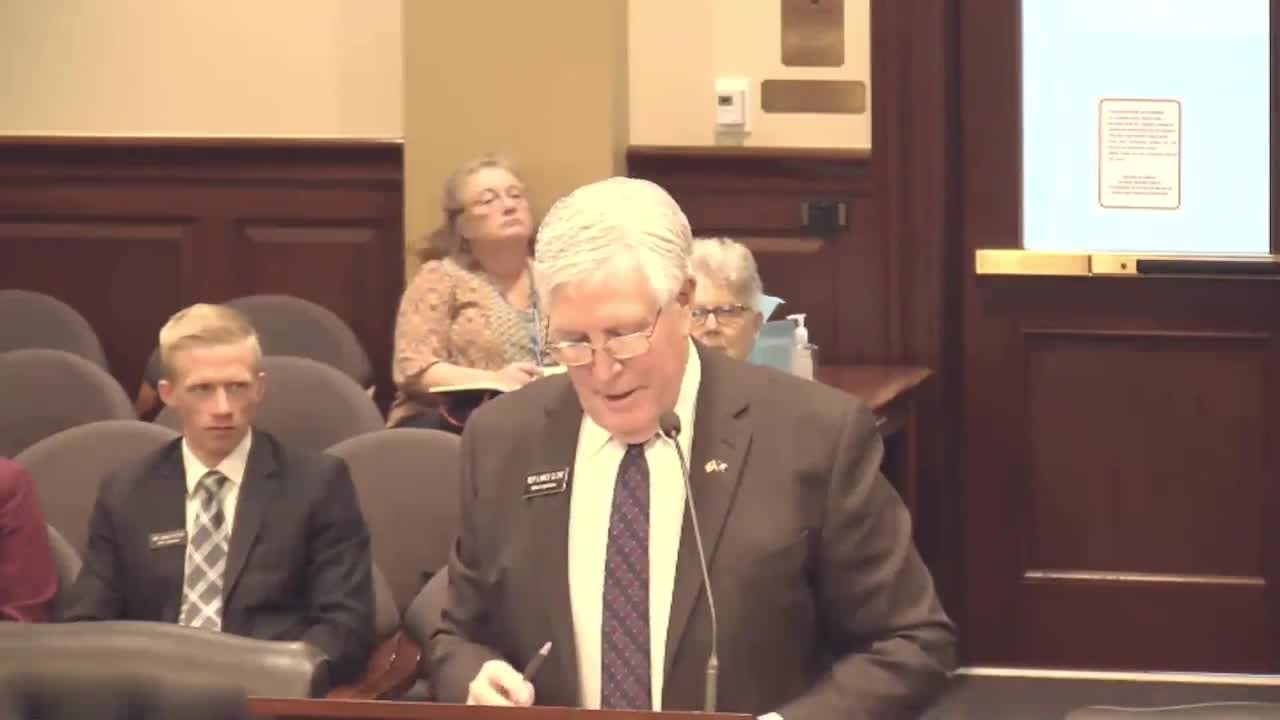
BOISE — The House Committee on Education voted Feb. 3 to send House Bill 79 to the full House with a due-pass recommendation. Representative Lance Clow, R–District 25, introduced the measure, which would raise the statutory cap on community college tuition from $2,500 to $3,250.
Clow told the committee that community colleges across Idaho have reached their current caps and that institutions are governed locally by community or district boards. "I ask today that you consider the increase in the cap to $3,250," Clow said during his presentation. He said the bill does not change a separate limit in state code that prevents colleges from increasing tuition by more than 10% in any single year.
The bill's fiscal note, as described to the committee, estimates the four community colleges could see a combined tuition increase of about $1,500,000 in the first year if districts used the higher cap, with an expectation that colleges would average closer to a 5% increase in year one rather than the full cap. Clow described the increase as modest, noting the cap was last raised in 2008 and that community colleges have not sought a change since 2016.
Representative Garner moved that the committee send House Bill 79 to the floor with a due-pass recommendation. The committee recorded a voice vote: "All in favor, say aye." "Aye." "Any opposed, say nay." The chair stated, "Motion carries." The vote was taken by voice; individual roll-call votes were not recorded in the transcript.
Supporters at the committee emphasized community colleges’ role in workforce and economic development, including career-technical programs and pathways to four-year institutions. Clow said community colleges rely on a mix of tuition, property taxes and state funding and that the requested change would help colleges maintain staff pay parity as they offer raises to career-technical staff.
The committee did not take further amendments. With the committee action, House Bill 79 advances to the House floor for further consideration and any subsequent votes.