Get Full Government Meeting Transcripts, Videos, & Alerts Forever!
Get email alerts on the Education Teachers topic
No spam. Unsubscribe anytime.
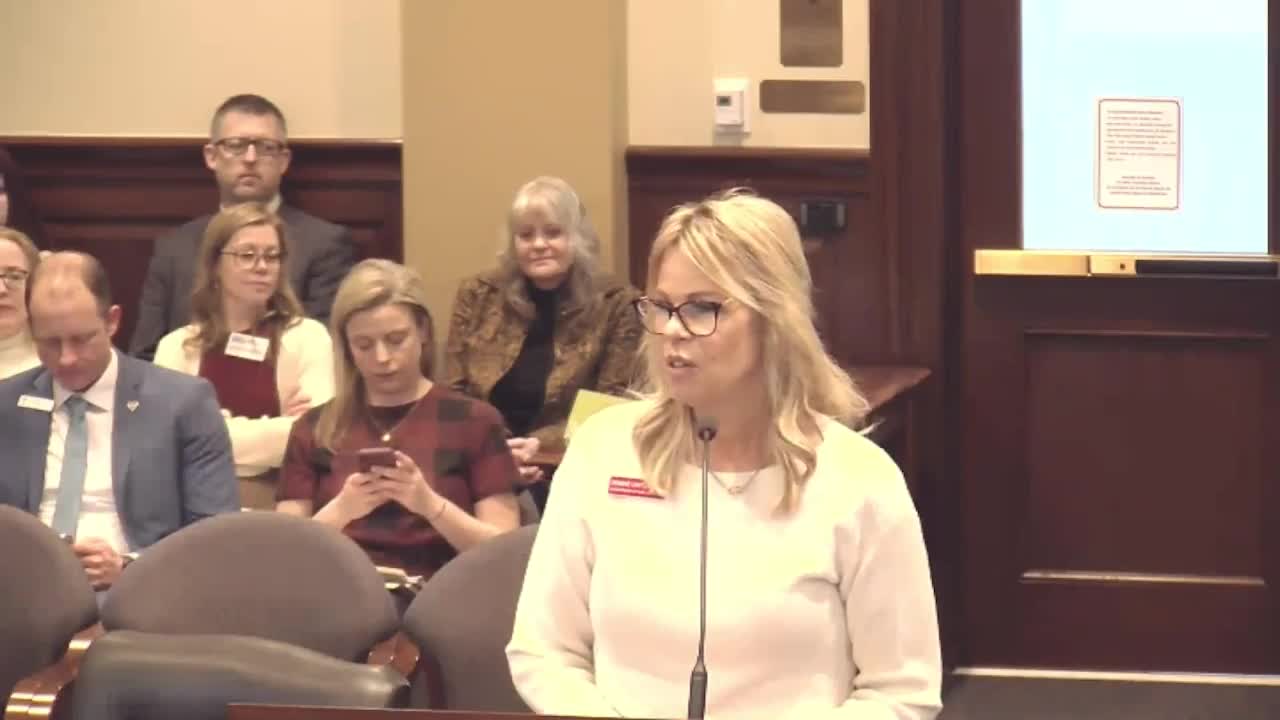
Idaho educator Heidi Cornell, 2025 Teacher of the Year, tells committee classroom mission centers on relationships and professional learning communities
Summary
Heidi Cornell, a third‑grade teacher at Orchards Elementary School in Lewiston, was introduced to the House Committee on Education as Idaho's 2025 Teacher of the Year and described practices — including professional learning communities, 'Leader in Me' foundations, and community partnerships — that she credits for student growth.
Superintendent Debbie Critchfield introduced Heidi Cornell as Idaho's 2025 Teacher of the Year. Cornell, a third‑grade teacher at Orchards Elementary in Lewiston, told the House Committee on Education about her classroom mission and the instructional structures she helps lead.
"My mission is that you feel deeply loved when you are with me," Cornell said, describing a personal mission statement she developed through Leader in Me training. She said the mission guides her interactions with all students, "the easy to love, the unlovable, and the ones who disagree with me."
Cornell described work her school has undertaken as a professional learning community (PLC): teams that define essential learning targets, write common formative assessments, analyze results, and use interventions and enrichment to meet students' needs. She said the PLC process has helped teachers "know where every student is at and what every student needs" and allowed the school to tailor interventions.
She highlighted classroom and school programs such as a "Coins for a Cause" unit where third‑graders research local nonprofits and write persuasive speeches, and an end‑of‑year event where parents discuss their occupations and skills with students. Cornell said partnerships with Lewis‑Clark State College and the University of Idaho have brought interns into classrooms and exposed students to higher education pathways.
Committee members asked questions about Leader in Me (its ongoing cost and implementation), how PLC work supports early reading and math goals, and how schools balance students' differing home supports. Cornell acknowledged Leader in Me required funding that the district no longer sustains fully but said elements of the training remain in the school's culture. She said PLCs let teachers identify attendance, homelessness and other nonacademic barriers and coordinate supports such as social workers and counselors.
Committee members thanked Cornell and applauded her recognition; the committee chair encouraged continued engagement with educators.
Why this matters: The presentation provided committee members with a teacher's perspective on instructional practices and student supports in a classroom and district that have prioritized professional learning communities. Members used the session to ask about implementation, costs and how classroom practice connects to third‑grade reading and math goals.
Next steps: Committee members invited continuing engagement with practicing educators and said they may call teachers back to inform future policy discussions.