Get email alerts on the Curriculum Transparency topic
No spam. Unsubscribe anytime.
Panel introduces K–3 curriculum transparency RS; sponsors narrow upload requirements
Summary
Representative Dale Hawkins introduced RS 32553 to require districts to post K–3 curriculum information online. The sponsor said changes limit required uploads to textbook lists and permit supplemental materials to be added during the year.
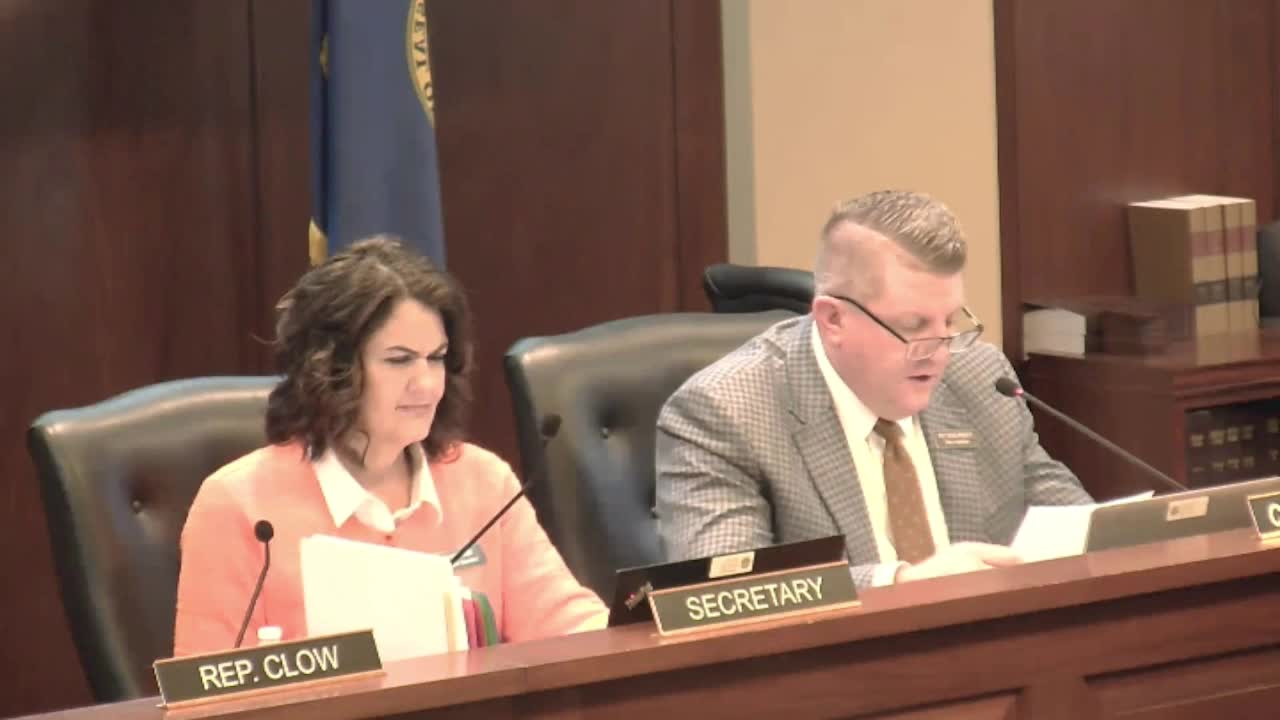
Representative Dale Hawkins, R-District 2, introduced RS 32553 in the House Education Committee on March 3, 2025, a draft aimed at increasing transparency by requiring school districts to provide information about K–3 curriculum content.
Hawkins said he revised the language after prior committee feedback to limit the obligation to a list of textbooks rather than entire curriculum packages or scanned pages. "They only need to inform what is being taught," he told committee members, and he added language to allow supplemental material to be uploaded during the year.
Representative Mathias asked whether existing code could be edited to require posting on a district website rather than adding new statutory language; Hawkins replied they believed the proposed RS was the preferable path. Representative Ehart moved to introduce RS 32553, noting similar transparency measures exist in other states and saying it would provide parents with more information.
The committee voted to introduce RS 32553. The motion carried with one recorded nay during the roll-call at the introduction vote.
Sponsor amendments and technical drafting — including the extent of required materials and whether posting must be on a website — were left to the drafting and hearing process.
AI generated
The text on this page is AI generated. Summaries, highlights, analysis, and video transcripts are all produced from the original source material.
AI can make mistakes, so if you spot one, and we will fix it for everyone.
Note: the source content is unaltered by us. Any content source we link to, be it a video, an audio recording, or a document, is presented exactly as its publisher released it. That publisher is usually a government body, sometimes an individual official or another organisation.