Get Full Government Meeting Transcripts, Videos, & Alerts Forever!
Get email alerts on the Medicaid Insurance topic
No spam. Unsubscribe anytime.
House panel advances bill clarifying Medicaid as payer of last resort for dual-covered enrollees
Summary
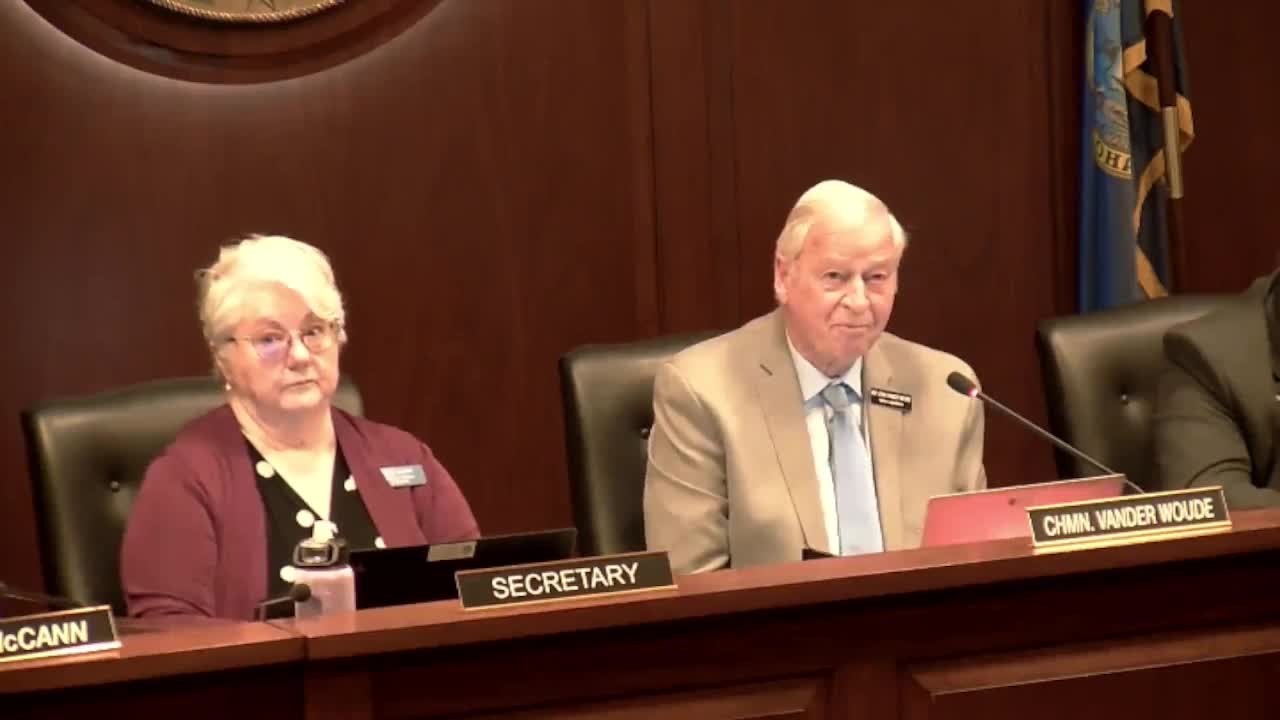
The House Health and Welfare Committee voted to send House Bill 31 to the floor with a due pass recommendation after a sponsor said the bill would ensure primary insurers honor prior authorizations and prevent improper use of Medicaid funds for enrollees who also have other insurance.
At its meeting, the Idaho House Health and Welfare Committee voted to send House Bill 31 to the floor with a due pass recommendation after Representative Jordan Redmond described the measure as a clarification of who should pay when enrollees have both Medicaid and another insurer.
Representative Jordan Redmond, representing District 3 in Kootenai County, told the committee that ‘‘the goal of this bill is to release any confusion on payments dealing with Medicaid enrollees that also have third party insurance.’’ He said the bill would require the primary insurer to ‘‘honor and approve any prior authorizations on the Medicaid side for any service that’s already covered by the primary,’’ and described the change as intended to ensure ‘‘Medicaid is always the payer of last resort, saving taxpayer resources.’’ Redmond cited the Katie Beckett program as an example of where families can have both employer-sponsored coverage and Medicaid for supplemental services.
Representative Healy moved to send House Bill 31 to the floor with a due pass recommendation. The committee recorded a voice vote and the motion passed. The meeting transcript does not record a roll-call tally or a named second; the committee chair called for those in favor to signify by saying ‘‘aye,’’ and the motion was recorded as approved.
Committee discussion recorded in the transcript was limited to Redmond’s presentation; no committee member requested additional amendments or called for departmental witnesses on the bill during the recorded exchange. The sponsor stood for questions but none that altered the bill’s description were recorded.
The committee then proceeded to its next agenda item.