Get Full Government Meeting Transcripts, Videos, & Alerts Forever!
Get email alerts on the Employee Compensation topic
No spam. Unsubscribe anytime.
Joint finance panel approves $177.4 million compensation package, directs $1.55/hour minimum increase
Summary
The Joint Finance-Appropriations Committee approved a package that funds a minimum $1.55-per-hour raise for state employees in FY2026 and directs targeted increases for community colleges, public safety, IT, nursing and schools. The motion passed on roll call after extended debate over pay compression and merit.
Boise — The Joint Finance-Appropriations Committee on Feb. 6 approved a compensation package that directs funding for a minimum $1.55-per-hour increase for permanent state employees in fiscal year 2026 and includes targeted adjustments for several employee groups.
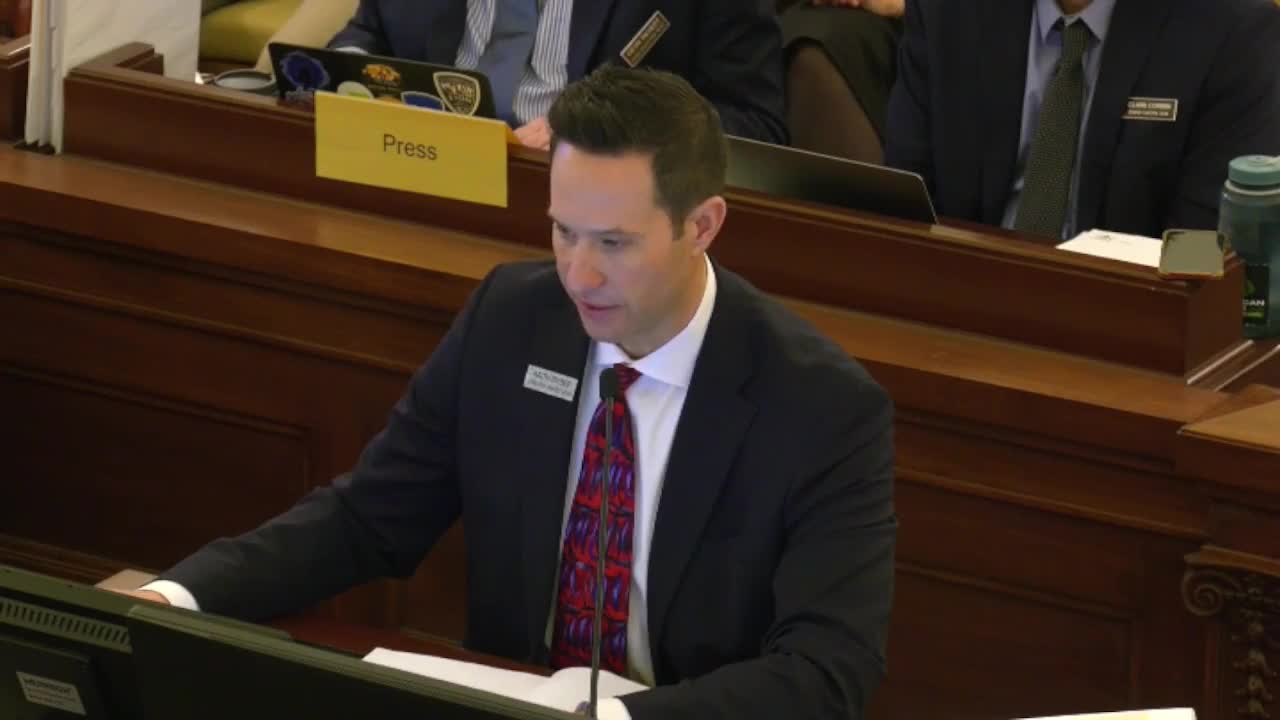
Representative Miller moved the measure, which the committee staff described as totaling $177,429,100 across general, dedicated and federal funds. The language directs pay increases between $1.05 and $1.55 per hour and includes separate provisions: a calculated 5 percent allocation for community colleges, a 4.5 percent increase for classified and nonclassified IT and engineering staff, additional funding for Idaho State Police troopers up to an 8 percent total increase, and funding to provide nursing and health care workers either $1.55 per hour or 3 percent, whichever is greater. The motion also includes $84,669,500 for public schools and the Idaho Educational Services for the Deaf and the Blind.
“The modification to this motion from previous motions is changing the $1 per hour minimum increase to a $1.05 minimum increase,” Representative Miller said while presenting the motion and its background; the motion as passed raised the minimum toward $1.55, the committee’s document shows.
Committee staff framed the motion as conforming to statutory requirements that require the Legislature to review and fund salary-schedule and market adjustments. Staff said the package moves four salary schedules and requires reporting: agencies must report to the Division of Human Resources and the Office of the State Comptroller on pay changes and on any instances where agencies use existing, internal resources to provide increases above the funded amount.
The measure drew extended debate. Senator Ward Engle King said she would not support the motion, citing concerns the increase compresses the salary schedule for employees making more than about $64,000 and would hamper recruitment and retention for higher-paid, highly skilled staff. “I think we have work to do and I’m hoping this committee will make a commitment to come back next year and really help our state employees at least get a cost of living,” she said.
Senator Wintrow echoed those concerns and said statutory language requires a competitive salary package. Senator Cook said she would support the motion but warned it was “a little short sighted,” arguing it guarantees across-the-board increases without differentiating based on performance. Senator Woodward said she would support the motion to move the process forward but noted it could create a “use it or lose it” situation for managers.
After debate, the committee took a roll-call vote. Committee officers reported the Senate side voted 8 ayes and 2 nays and the House side reported 18 ayes and 2 nays; the committee recorded the motion as passed and indicated it will carry a “do pass” recommendation to the floor.
The language adopted directs that any new funding provided for the increases cannot be transferred out of personnel-cost categories and requires agencies to revert and report any new funding not allocated to pay increases. It also asks the Division of Human Resources and the Office of the State Comptroller to develop monthly reports identifying pay changes and any bonuses or additional pay outside the CEC implementation window.
Committee staff said the package will be incorporated into the maintenance bills already passed by the committee and will appear as part of the floor packet if the motion is sustained.
Ending — Committee leaders asked staff to compile a list of other salary-boost requests being made outside the CEC package and to provide that to members. The committee adjourned until 8 a.m.