Get Full Government Meeting Transcripts, Videos, & Alerts Forever!
Get email alerts on the Career Technical Education topic
No spam. Unsubscribe anytime.
Lawmakers press CTE on faculty, facilities as demand and waitlists grow
Summary
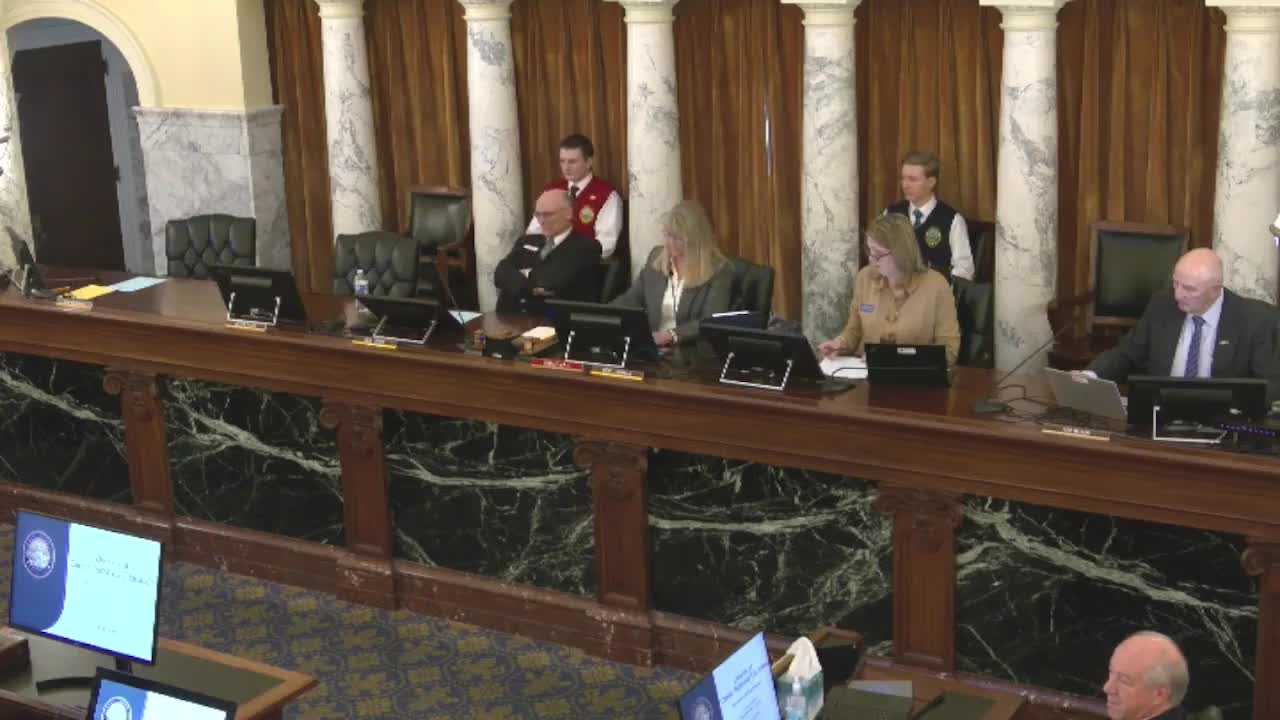
The Joint Finance-Appropriations Committee on Feb. 10 heard an overview of Idaho’s Division of Career Technical Education budget and FY2026 requests from Legislative Services analyst Kevin Campbell and interim CTE administrator Joshua Whitworth, who told lawmakers that demand for CTE programs has grown sharply and that the governor has proposed $10 million in ongoing general‑fund support to expand capacity.
The Joint Finance-Appropriations Committee on Feb. 10 heard an overview of Idaho’s Division of Career Technical Education budget and FY2026 requests from Legislative Services analyst Kevin Campbell and interim CTE administrator Joshua Whitworth, who told lawmakers that demand for CTE programs has grown sharply and that the governor has proposed $10 million in ongoing general‑fund support to expand capacity.
Campbell told the committee CTE operates statewide through programs at secondary schools, Idaho’s six technical colleges and related adult‑education and workforce training centers, and reported CTE staffing at about 569 FTP (as presented to the committee). He described CTE’s revenue structure, noting three earmarked funds: the Displaced Homemaker Fund (funded by a $20 fee on divorces), the Hazardous Materials and Waste Enforcement Fund (funded by trip and annual hazmat permits) and the Motorcycle Safety Fund (funded by driver’s license and motorcycle registration fees and training registration). Campbell summarized recent appropriations, including one‑time totals and earlier ongoing investments for instructors, firefighter training equipment and secondary readiness.
Why it matters: CTE trains workers for occupations the state says are in demand — welding, nursing, manufacturing and other applied trades — and committee members pressed officials about whether the agency has the faculty, space and program oversight needed to convert funding into more student seats.
Committee discussion and details
Joshua Whitworth, introduced as executive director for the state board and interim administrator for CTE, told the committee “the funding is available,” but added agencies must be “diligent about when we pull that down” and follow federal guidance before drawing grant funds. He said the division is tracking oversubscribed programs and can provide lawmakers a list of programs with waitlists.
On capacity, Whitworth said constraints are both faculty and facility: “We need a number of faculty to teach it ... and then the third tier is the facilities able to handle it,” citing welding booths and similar equipment as examples. He said demand is high “across the entire career technical education ecosystem.”
Key budget figures and requests presented to the committee (as reported): - CTE reported about 569 FTP and that 93.3% of appropriations in one program area are spent on postsecondary CTE. - Expenditure breakdown (FY 2024 presentation): 48.1% personnel costs, 7.5% operating, 44.4% trustee and benefit payments. - FY 2024 one‑time appropriations included $10,000,000 for secondary CTE programs and $5,000,000 one‑time for equipment and post‑secondary investments. - FY 2026 requests to the Legislature included $664,000 ongoing for additional instructors in at‑capacity technical‑college programs; $125,400 ongoing for a business‑industry engagement manager; $50,000 for adult education and literacy; $700 in additional federal spending authority (as presented); and the governor’s recommendation of $10,000,000 ongoing to expand capacity in high‑demand programs. - Smaller requests included $3,000 one‑time for a computer for the engagement manager (as presented).
Committee members pressed for detail and oversight
Several legislators sought specifics on how the governor’s $10 million would be allocated, how grant decisions would be made, and what oversight the state board and division would exercise. Representative Furness and others said they wanted a line‑item level plan that lists institutions, positions and measurable outcomes before endorsing ongoing money. Whitworth described the $10 million as intended to operate through a grant model that would require industry partners to match funds and demonstrate demand; he said the division would distribute funds by demand and report back on outcomes and reductions in waitlists.
Representative Price asked about the role of the proposed business‑industry engagement manager; Whitworth said the position would be embedded to help school districts — particularly rural districts — connect with local businesses and form public‑private partnerships (for equipment donations, apprenticeships and other supports). Whitworth said some districts already use informal models and the statewide position is intended to extend that support to districts that cannot afford it.
Program demand and target occupations
Multiple members said welding and nursing showed large waitlists; Whitworth and other witnesses told the committee Idaho’s manufacturing expansion and projects such as industrial construction and possible future nuclear‑adjacent projects are driving demand for welders and similar trades. On nursing, Whitworth said the state is “running about, I think 3 to 400 nurses short on an annual basis right now,” as presented to the committee, and noted nurse training requires high faculty‑to‑student ratios that constrain rapid expansion.
Funds and accounting questions
Several legislators pressed the division on fund balances and reporting. Senator Berkey asked about negative balances reported for the Hazardous Materials and Waste Enforcement Fund for FY2024; Whitworth said staff would validate reporting and provide details to the committee. Representative Tanner noted revenue sources for the HazMat fund (a $20 per trip fee and a $2.50 annual permit fee) and suggested the apparent negative balance might be a reporting issue rather than an actual cash shortfall.
Representative Tanner also asked about the Motorcycle Safety Fund, noting that driver licensing and motorcycle permit revenue support motorcycle rider safety training but reported balances have grown; Whitworth said demand for the training is increasing and the division would review expenditures and the fee structure and follow up with recommendations.
No formal action taken
The meeting recorded presentation and committee questioning; no formal votes or motions were recorded on CTE funding during this hearing. Whitworth and Campbell committed to providing additional materials: a list of oversubscribed programs, reconciliation or explanation of the HazMat fund balance, and more detailed planned distributions and oversight language for any grant design tied to the governor’s $10 million recommendation.
Ending
Committee members repeatedly requested greater specificity before committing to ongoing general‑fund support. Whitworth said the division would rely on industry partnerships and reporting to target funds to high‑demand programs and report results back to the committee. No final appropriation or committee action occurred at the Feb. 10 hearing.