Get Full Government Meeting Transcripts, Videos, & Alerts Forever!
Get email alerts on the Medicaid topic
No spam. Unsubscribe anytime.
Senate committee approves streamlined Medicaid Basic Plan rules to remove duplication and emphasize legislative policy levers
Summary
The Senate Health and Welfare Committee approved a major reorganization and condensation of the Medicaid Basic Plan chapter intended to remove duplication with federal law, clarify the definition of provider, and leave substantive policy levers clear for the Legislature.
The Senate Health and Welfare Committee voted to approve a comprehensive reorganization of the Medicaid Basic Plan rules intended to remove duplicative language, streamline text and make policy levers clearer for legislative oversight.
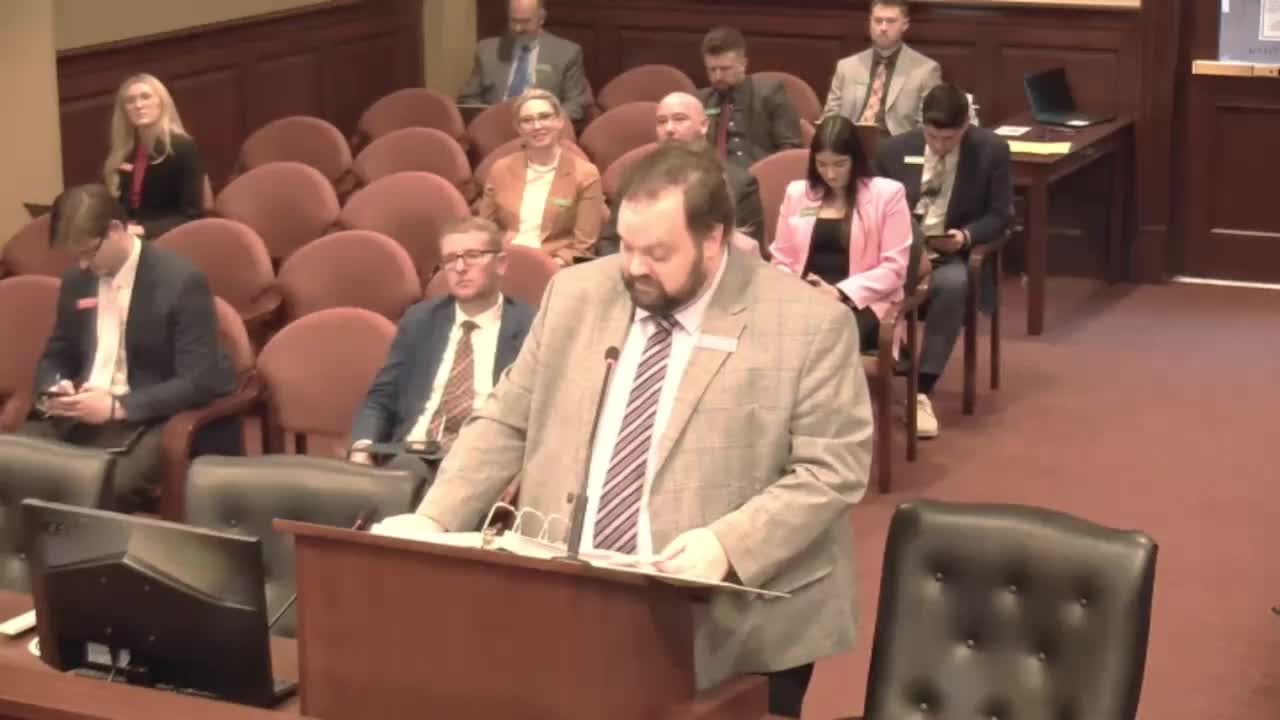
Jared Larson, Legislative and Regulatory Affairs Chief for the Department of Health and Welfare, told the committee the chapter was reduced substantially so the remaining rules reflect policy choices that the Legislature can act on. As part of the reorganization, the department revised the definition of "provider" so that the department will not second-guess scope-of-practice decisions made by licensing boards and the Legislature. Larson said the change was intended to ensure policymakers — not agency rule writers — determine professional scope.
Department officials also addressed several specific clarifications contained in the docket. The rules clarify the department's process for notifications about convictions or investigations involving licensed personnel; the department emphasized it does not expect reporting before a party actually knows of an investigation. The rules further clarify billing and program integrity issues: claims for services billed after a participant's date of death will not be reimbursed and the department's Medicaid program-integrity unit will pursue recoveries for improper claims. The docket also outlines how Medicare crossover claims are handled for dually eligible individuals and lists service categories that are not covered by Medicaid (for example, some educational and vocational services and certain food-delivery supports), consistent with existing policy.
Deputy Director Juliette Sharon told the committee the docket contains no unannounced policy changes beyond those the department identified: "On the record, pinky swear, there are no policy changes in this docket other than the substantive changes that Mr. Larson outlined for the committee." Committee members asked for follow-up on several operational points, including interest on overpayments and issuance of department identification cards for certain eligibility categories.
Ending: The committee approved the docket on a voice vote and asked the Department to provide follow-up clarifications as needed to affected stakeholders.