Get Full Government Meeting Transcripts, Videos, & Alerts Forever!
Get email alerts on the Hb3012 Student Vote topic
No spam. Unsubscribe anytime.
House hearing on HB 3012: supporters say student voice and civics will gain; opponents cite maturity, cost and citizenship concerns
Summary
Representative Courtney Neuron and more than a dozen students and advocates testified March 3 in favor of House Bill 3012, which would permit 16‑ and 17‑year‑olds to vote in school district elections; the House Committee on Rules also heard opposition citing maturity, fiscal and citizenship concerns.
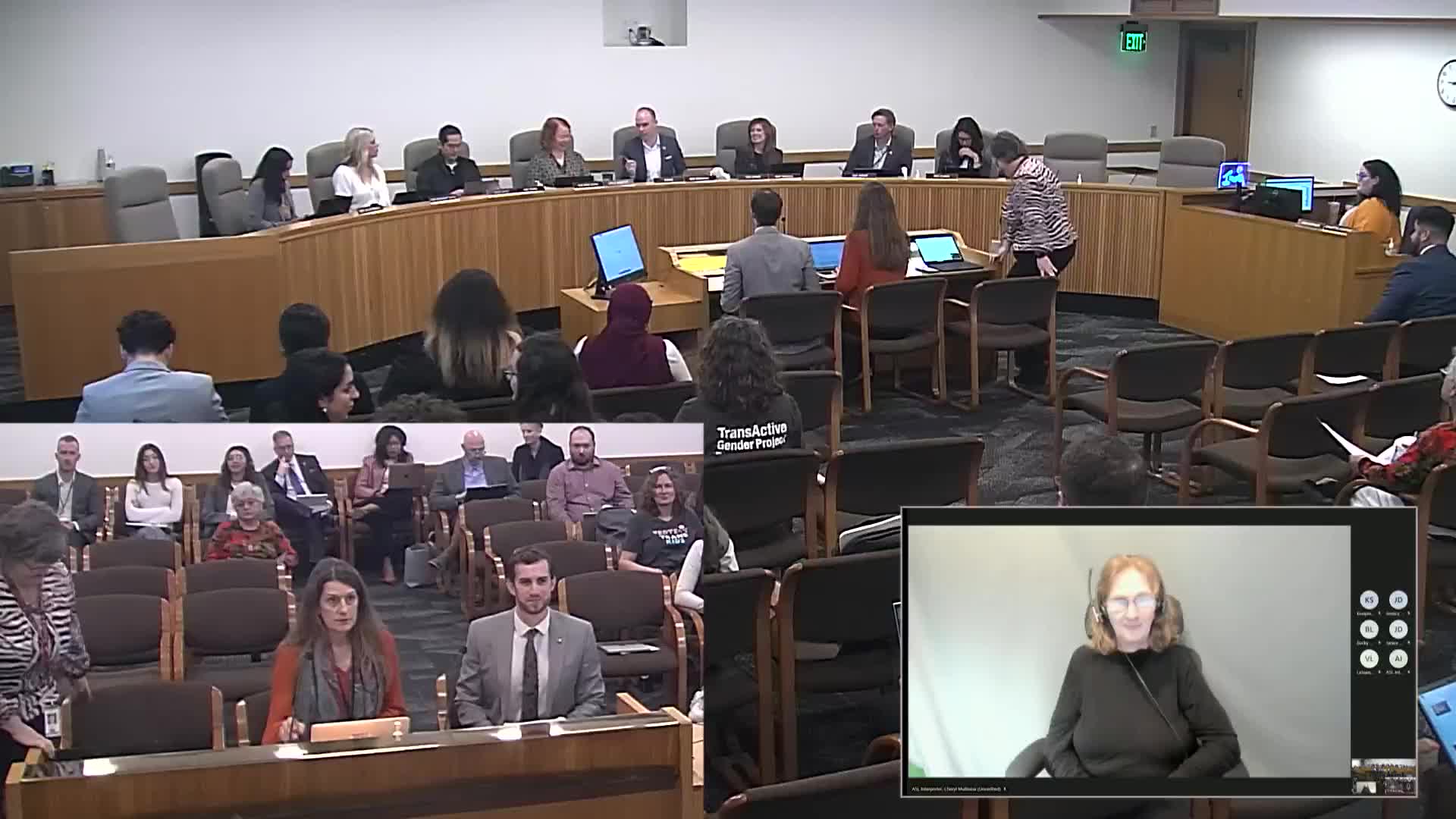
The House Committee on Rules held a public hearing on March 3 for House Bill 3012, the Student Voice and Democracy Act, which would permit 16‑ and 17‑year‑old registered voters to cast ballots in school district elections. Melissa (committee staff) read the bill summary: the original bill text would allow 16‑ and 17‑year‑olds to vote in school district elections occurring on or after Jan. 1, 2027; a -1 amendment was offered to change the effective date to Jan. 1, 2029.
Representative Courtney Neuron, the bill sponsor, told the committee the measure is designed to “allow 16 and 17 year olds to vote in their local school board elections, giving students a voice in their education and strengthening our democracy.” She and multiple student speakers argued that voting in school board elections is a natural extension of civic education, that students spend many hours in school and are directly affected by board decisions, and that early voting experience builds long‑term civic habits.
Students and youth organizations provided much of the committee’s testimony in favor. Nalani Mahesen, a 17‑year‑old Beaverton student and co‑founder of Vote 16 Oregon, said students experience the effects of redistricting, program cuts and understaffed counseling firsthand and deserve representation. Javier Quintana, who said he serves on a local school board advisory body, described student advocacy experience and said enfranchising students would raise turnout and engagement. NextUp and Vote16 USA representatives and Common Cause also testified in support.
Organizations and elected officials raised concerns and positions ranging from neutral to opposed. The Oregon School Boards Association (OSBA) testified as neutral and highlighted fiscal questions: county clerks told OSBA that adding ballots for a subset of voters could increase printing, programming, postage and election‑board costs and require extra signature‑verification work; OSBA asked for fiscal figures from clerks and recommended the committee consider cost impacts on districts.
Opponents raised maturity and citizenship concerns. Representative Dwayne Yunker said he opposed the bill and questioned the maturity of 16‑ and 17‑year‑olds, arguing they lack the emotional and life experience to make informed decisions about public governance; his remarks included, “They are not adults. Sixteen year olds do not have the emotional maturity or life experience to make informed decisions on complex issues.” Anna Munson, who testified in opposition, cited the Constitution’s age requirement and asked whether 16‑year‑olds should be responsible for decisions affecting multimillion‑dollar school districts. Janice Dysinger raised a citizenship concern, noting the bill text does not explicitly address citizenship and warning that noncitizens who vote could face future immigration consequences if they are not properly screened.
Other organizations that testified included the League of Women Voters of Oregon (supportive/neutral to 17‑year‑old voting in other jurisdictions and offering civic education resources) and the Oregon Education Association (supporting the bill and noting roughly 50,000 16‑ and 17‑year‑olds are preregistered to vote). Several school board members and student leaders described civic education and student civic projects as groundwork for participation.
Committee members asked clarifying questions about costs, logistics and whether districts would bear additional printing and administration costs. OSBA said it had asked county clerks for cost estimates and would follow up with business officials; county clerks’ written testimony was available to the committee online, OSBA said.
There was no committee vote on HB 3012 at the hearing. The record remains open for additional written testimony and technical questions; the committee chair said follow‑up questions would be distributed to the agencies and parties that requested them.
Selected quotes from the hearing “This bill will allow 16 and 17 year olds to vote in their local school board elections, giving students a voice in their education and strengthening our democracy,” Representative Courtney Neuron said when she opened her remarks.
“Students are the primary constituents of our school boards,” said Representative Willie Choetzen, a former teacher who testified in support. “We spend seven hours every day at school, yet these critical needs persist.”
“They are not adults,” Representative Dwayne Yunker said in opposition. “Sixteen year olds do not have the emotional maturity or life experience to make informed decisions on complex issues.”
Janice Dysinger warned that the bill does not explicitly address citizenship in its short form: “We need to make sure that all of our voters are truly citizens.”
Why it matters: School board decisions directly affect students’ day‑to‑day learning, facilities and programs. Supporters framed HB 3012 as a way to align voters who are most affected by those decisions with the authority to elect board members; opponents said the legislature should preserve the adult voting age and highlighted administrative costs and legal/citizenship safeguards.
Formal action: The committee opened a public hearing on HB 3012, received oral and written testimony, and took no vote. The bill’s effective date is the subject of a -1 amendment shifting the operative date from Jan. 1, 2027, to Jan. 1, 2029.