Get Full Government Meeting Transcripts, Videos, & Alerts Forever!
Get email alerts on the Board Of Medicine Rules topic
No spam. Unsubscribe anytime.
Senate committee approves consolidated Idaho Board of Medicine rule chapter; members ask for clarity on disciplinary standards
Summary
The Senate Health and Welfare Committee approved a consolidation and rewrite of two Idaho Board of Medicine rule chapters into a single chapter and raised questions about discretionary language the board will use when limiting or conditioning licenses.
The Idaho Senate Health and Welfare Committee approved pending rule chapter 24.33.01 — a consolidation and rewrite of two Board of Medicine rule chapters — and repealed the former chapter 24.33.03, the committee heard on Jan. 14.
Nikki Chopsky, bureau chief for health professions and executive officer for the Idaho Board of Medicine, presented the rewrite. She said the rewrite combined scattered definitions, reorganized licensure and practice standards, moved fee items into a consolidated fee table and clarified continuing-medical-education requirements to apply only to non-board-certified physicians. "The board took the opportunity to combine two rule chapters into one, simplifying the ability for licensees to find rules relating to licensure and the practice of medicine," Chopsky said.
Committee members asked for clarification about discretionary language in the draft. Senator Shippey pointed to language that reads, in part, "the board may refuse a licensure or to renew a license" and asked why the rule used "may" rather than "must." Chopsky said the language was not new but combined from existing sections and that the board applies objective evaluations when addressing concerns about a physician’s ability to practice, including sending clinicians for medical evaluations and using standardized assessment resources.
Shippey also asked about the board’s authority to "limit, condition, or restrict" a license "when the board deems necessary." Chopsky explained that the board uses medical evaluations, competency assessments and remediation resources to inform decisions in cases involving physical or mental impairment or competency concerns. She told the committee the board typically relies on outside, objective evaluations before making limitations or conditions.
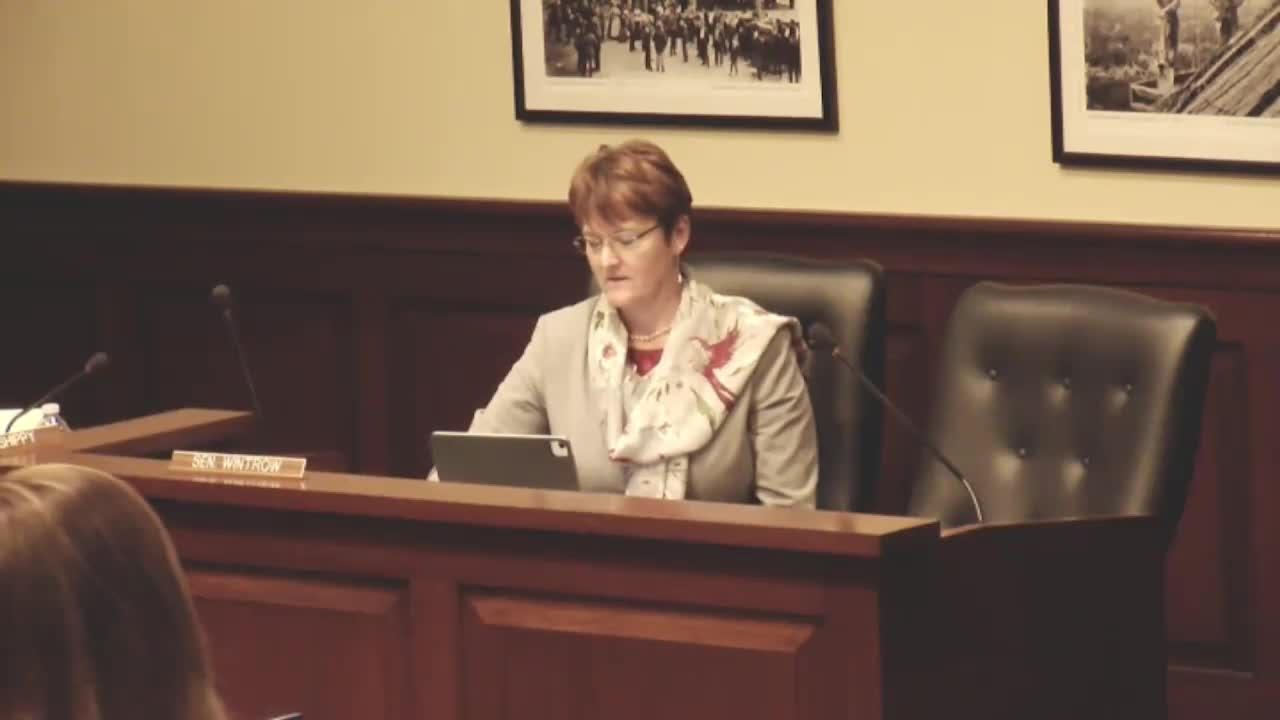
Action: Senator Wintrow moved to adopt pending rule chapter 24.33.01 as final and to repeal 24.33.03; the motion was seconded by Senator Harris and passed on voice vote.
Why it matters: The consolidated chapter reorganizes physician licensure and practice rules in Idaho, updates fee tables and clarifies practice and discipline provisions. Committee questions highlighted the tension between board discretion and the need for objective processes in disciplinary matters.
Ending: Committee members said they would monitor how the board applies the discretionary language in practice; the board said it uses standardized assessments and objective medical evaluations to support decisions.