Get Full Government Meeting Transcripts, Videos, & Alerts Forever!
Get email alerts on the Gene Therapy Vaccines topic
No spam. Unsubscribe anytime.
Informational hearing draws dozens of witnesses on bill to pause gene‑therapy COVID products
Summary
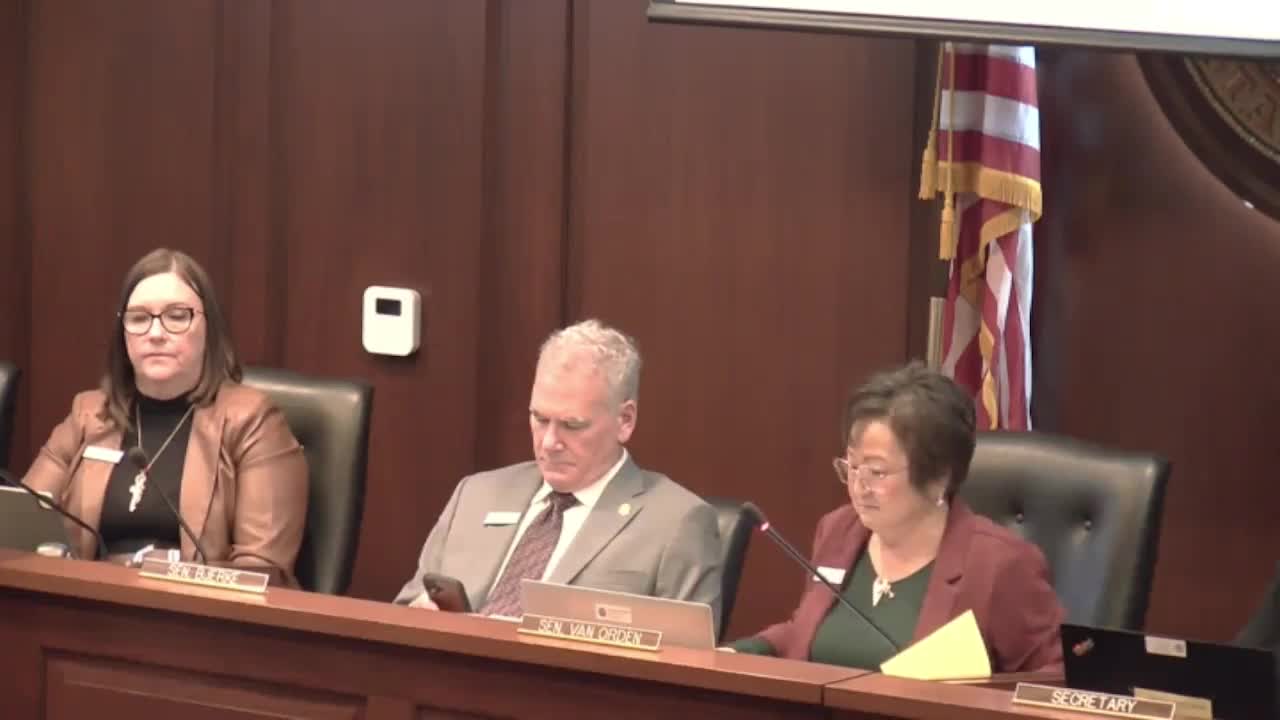
Sen. Brandon Shippey, sponsor of Senate Bill 10‑36, opened an informational hearing saying the bill would “ensure a moratorium on the administration by any route or modality of any gene therapy product for any infectious disease indication.”
Sen. Brandon Shippey, sponsor of Senate Bill 10‑36, opened an informational hearing saying the bill would “ensure a moratorium on the administration by any route or modality of any gene therapy product for any infectious disease indication.” The committee took public and expert testimony for nearly three hours but did not take a vote.
The bill, introduced as the Doug Cameron Act, would pause use of products the sponsor described as gene‑therapy vaccines and require additional study and oversight before they could be used in Idaho. Shippey said the proposal came from a constituent and that he planned to continue developing the measure after receiving testimony: “This was not a brainchild of myself … a constituent of mine … is a registered nurse, and she cares very much about injured Idahoans,” Shippey said.
Why it matters: the hearing assembled clinicians, researchers, county officials and people who say they were injured after COVID‑19 vaccination. Supporters urged a pause so the state can require longer safety monitoring and manufacturer liability; opponents said a moratorium would remove tools used to respond to infectious disease and could harm public health preparedness.
Who testified and what they said - Dr. Peter McCullough, identified as an internist and cardiologist, told the committee he believes mRNA “gene technology … is not safe” and argued the products should be “halted from clinical use.” - Dr. Renata Moon, a pediatric hospitalist, said children faced “statistical 0 risk” of fatal COVID in early waves and described cases she attributes to vaccine harms. “I literally lose sleep at night wondering how many children have been harmed by these products,” she said. - Doug Cameron, whose name is attached to the bill, testified that he was paralyzed 10 days after receiving a Johnson & Johnson COVID vaccine in April 2021; he said combined medical bills and out‑of‑pocket expenses exceeded $2,000,000 and asked lawmakers to put a pause on human gene‑therapy products. - Several clinicians and researchers opposed the bill, including Dr. Jessica Evans Wall, an emergency physician who described treating large numbers of dying COVID patients before vaccines were available and said the mRNA technology “has the potential to save lives.” - Dr. David Pate, a retired health‑system CEO and internist, said the bill’s language is broader than the testimony has focused on and warned a multi‑year moratorium could impair the state’s ability to respond to future pandemics.
Expert witnesses and organizations: testimony came from a mix of clinicians and researchers. Speakers who identified organizational affiliations included Sasha Lachpova (pharmaceutical research and development), Nicholas Holcher (McCullough Foundation), Dr. Christina Parks (who described gene‑therapy safety timelines), and Thomas Shanks (Children’s Health Defense). Several county officials and emergency responders also testified.
Substantive points raised - Supporters repeatedly cited safety monitoring and long‑term unknowns, pointing to VAERS reports, v‑safe data, and international studies they said demonstrate harms they associate with the COVID‑19 vaccines. - Opponents emphasized clinical experience treating COVID patients, the public‑health value of vaccines in preventing severe disease and death, and the risk that a broad moratorium could hamper development of countermeasures for future outbreaks. - Technical concerns highlighted by witnesses included questions they raised about manufacturing variability, potential for genomic integration, and the need for multi‑year surveillance to detect cancer or autoimmune signals.
Process and next steps The committee treated SB 10‑36 as an informational hearing; the sponsor said the bill was not yet ready for a vote and anticipated further drafting. No motion to refer, amend or adopt the bill was recorded during the hearing.
Context and caveats Witnesses on both sides described national data sources—VAERS, v‑safe, regulatory actions at FDA and CDC—and reached sharply different interpretations. Committee members and staff noted technical difficulties during the virtual testimony and strictly enforced a two‑minute limit for public speakers.
What the committee did not do The committee did not vote on SB 10‑36. Several speakers urged legislative action; others urged caution. Committee members asked clarifying questions but did not adopt changes or direct staff to prepare amendments during the hearing.
Tapering detail Sen. Shippey closed the session after the last witness, and the committee adjourned with the bill held for further work and possible future hearings.