Get Full Government Meeting Transcripts, Videos, & Alerts Forever!
Get email alerts on the Health Workforce topic
No spam. Unsubscribe anytime.
Idaho Dental Education Program asks for one additional seat to expand dentist pipeline
Summary
The Idaho Dental Education Program requested $54,000 ongoing from the general fund to add one student seat in FY2026, part of a long-term plan to expand to 36 seats. Program leaders said IDEP typically fills available seats and that 65-80% of graduates return to practice in Idaho.
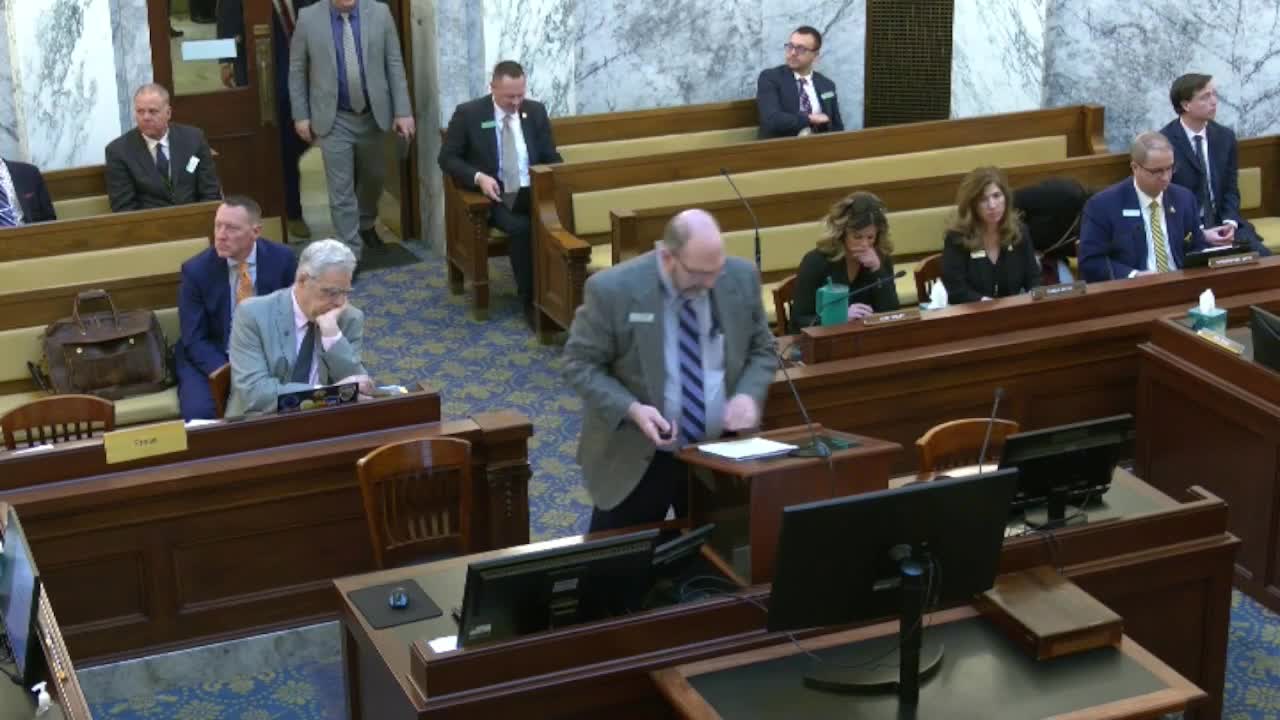
The Idaho Dental Education Program asked the Joint Finance-Appropriations Committee for $54,000 in ongoing general-fund support to add one dental-student seat for FY2026 as part of a longer-term goal to reach 36 total seats.
IDEP Director Jeff Weibargin told the committee that students complete the first year of training at Idaho State University and then finish at Creighton University School of Dentistry in Omaha under a contractual arrangement. Reserved seats are available exclusively to Idaho residents, and the program provides a tuition discount to those students.
Why it matters: IDEP is intended to increase the supply of dentists in Idaho, particularly in smaller and rural communities. Program testimony said Idaho is behind in dentist availability in some areas and that debt and tuition costs push students trained out-of-state to practice elsewhere.
Program details and evidence
Budget and Policy Analyst Kevin Campbell presented the base budget and the FY2026 request. He said IDEP currently has 3.25 FTP and no vacancies in program staff. The program asked for $54,000 ongoing to fund one additional student seat; IDEP's long-term objective is to reach 36 seats. Campbell and Director Weibargin said IDEP is oversubscribed: between 30 and 50 applicants apply each year and the program expects to be able to fill another seat if funded.
Return-to-state rates and workforce implications
Director Jeff Weibargin, an IDEP alumnus who runs a private practice in Idaho Falls, told the committee that historically about 65 to 70 percent of graduates return to practice in Idaho, and that the rate rises to roughly 80 percent when measured over a longer window as graduates sometimes return after completing specialty training or residencies. He said applicants tend to be highly qualified (the program reported average applicant GPAs around 3.8 and high percentile scores on the dental admissions test).
Cost and competition
Weibargin and the analyst said students who do not secure IDEP seats often attend other dental schools at much higher cost and may graduate with significantly higher debt, which reduces the likelihood they will return to Idaho where reimbursement rates and pay can be lower than in other states. The committee heard no formal opposition to the request during the hearing.
Ending
Program leaders said an additional seat would expand the Idaho dentist pipeline and that the program continues to produce graduates who practice across the state. No formal action or vote was taken during the committee hearing.