Get Full Government Meeting Transcripts, Videos, & Alerts Forever!
Get email alerts on the Higher Education College Budget topic
No spam. Unsubscribe anytime.
North Idaho College reports enrollment rebound but faces EWA cut, seeks faculty for nursing and welding
Summary
North Idaho College told JFAC it recorded double‑digit enrollment growth after prior declines, but a trailing enrollment workload adjustment produced an ongoing reduction; the college seeks faculty to expand nursing and welding cohorts and outlined cybersecurity and accreditation issues.
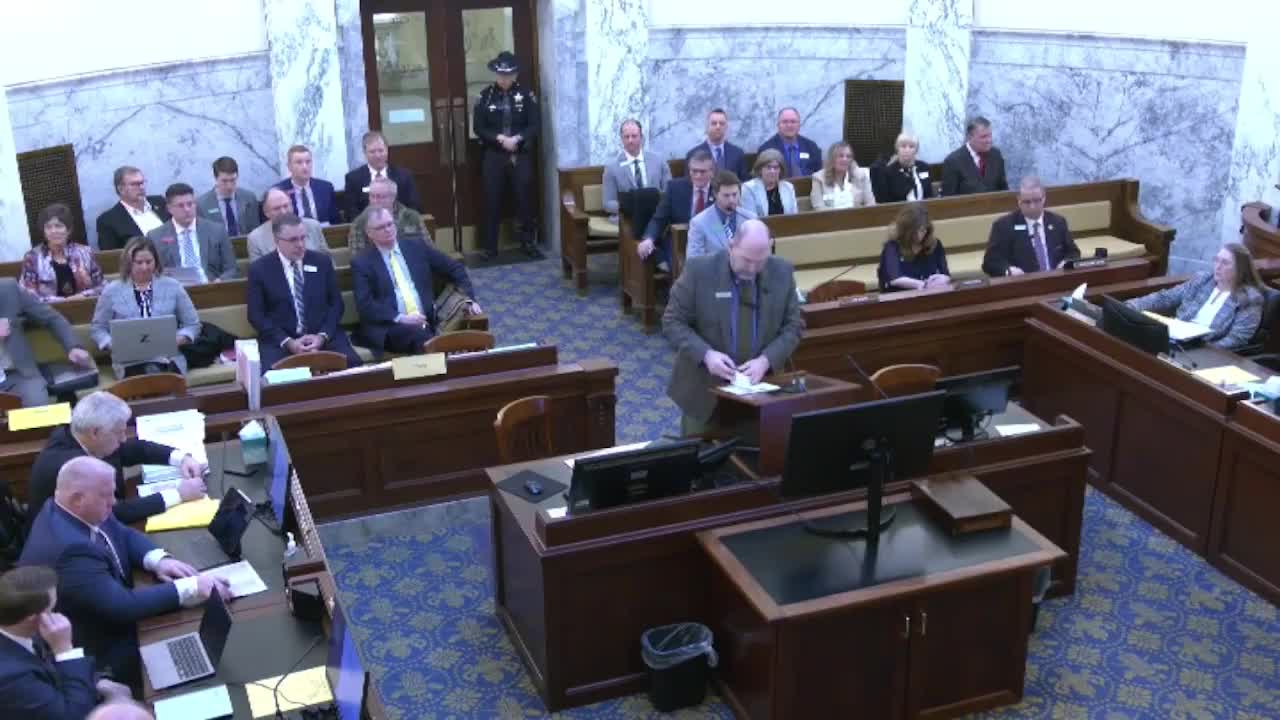
At a Joint Finance-Appropriations Committee hearing, North Idaho College President Dr. Nick Swayne told lawmakers the college is recovering from multi‑year enrollment declines and recorded roughly 15% growth in both the fall and spring terms. The recovery, he said, is not yet reflected fully in the state's enrollment workload adjustment (EWA), which produced an ongoing FY2026 reduction of $446,800 for NIC.
Analyst Kevin Campbell presented NIC's base budget history and noted the EWA can produce multi‑year lags because it is a trailing average. "The challenge with EWA is that it's a trailing average," Swayne told the committee, explaining that rapid recent enrollment gains can still leave a college subject to cuts while the formula catches up.
Swayne said North Idaho College added about 571 new students on campus in the spring term and reported waiting lists in several programs. He said nursing had a significant waiting list (he cited about 70–77 students on the nursing wait list in the spring) and that NIC is seeking five additional nursing faculty to expand cohorts from 40 to 60 students per semester. He described external accreditation and clinical‑supervision requirements — including typical clinical ratios of about 10 students per clinical instructor — as constraints that make faculty hiring essential to safely increase cohort sizes.
NIC leaders also asked for help from the governor's CTE capacity funds. Swayne said welding is another program where the college plans to expand: adding a welding instructor would enable the college to double first‑year capacity so that students can continue into a second year instead of being hired by employers after year one.
Swayne discussed cyber‑security costs and recruiting challenges. He said NIC's annual cybersecurity spending rose from around $250,000 to above $500,000 per year after increased threats and an incident affecting local government infrastructure. He also described recruitment and retention pressures tied to accreditation history and regional cost of living: NIC was placed in show cause in February 2023, and Swayne reported that, as of the night before the hearing, the college had moved off show cause and was under probation.
On taxing authority and outreach, Swayne said NIC has taxing authority only in Kootenai County and operates outreach centers including a primary center in Sandpoint plus facilities in Rathdrum and Post Falls; some Head Start and aging services are also provided through regional programs.
No committee votes were recorded during the NIC presentation.