Get Full Government Meeting Transcripts, Videos, & Alerts Forever!
Get email alerts on the Fish And Game topic
No spam. Unsubscribe anytime.
Fish and Game seeks $18.2 million in mostly one‑time enhancements; details Valley Fire rehab costs
Summary
The Idaho Department of Fish and Game presented an $18.18 million enhancement request — largely one‑time — and described a supplemental need to rehabilitate the Valley Fire burn area. Agency leaders also explained fluctuations in license fund balances tied to federal grant billing.
The Idaho Department of Fish and Game told the Joint Finance Committee it is seeking $18,184,900 in enhancements for fiscal year 2026, of which the agency says roughly 88% are one‑time items. Agency leaders also described a recent wildfire rehabilitation effort on the Boise River Wildlife Management Area and explained volatility in license fund balances tied to federal grant billing.
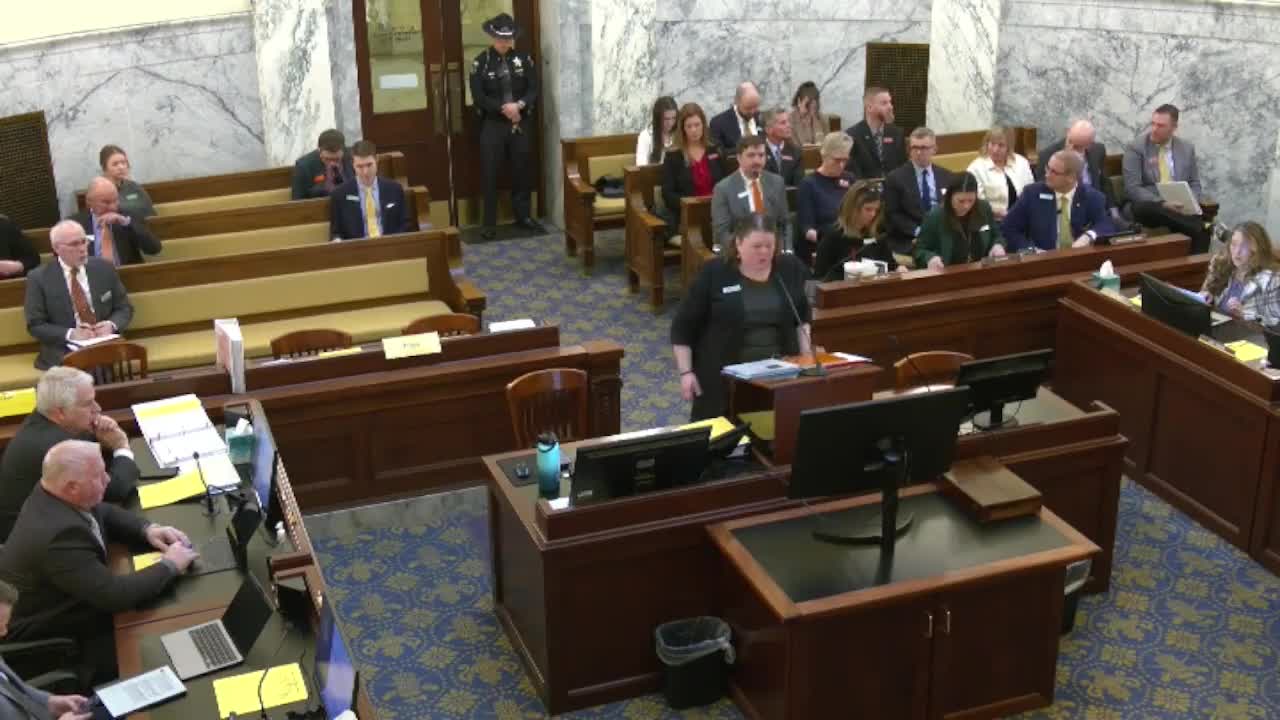
The presentation was led by Janet Jessup, budget and policy analyst for legislative services, and by Director Jim Fredericks and administration chief John Oswald for the department. Jessup reminded the committee that Fish and Game receives no general fund support; its budget is funded by dedicated revenue (hunting and fishing licenses, tags and permits) and federal grants. The department is allocated about 550 FTP and operates 19 state fish hatcheries and a statewide wildlife enforcement and management system.
Why it matters: The department's enhancement requests and one‑time capital asks affect fisheries, hatcheries and wildlife management across Idaho. The Valley Fire rehabilitation work also relates to winter range and habitat for deer and elk that use the Boise River Wildlife Management Area.
Director Jim Fredericks described the agency's $18.18 million request as mostly one‑time and explained several ongoing items, including license system renewal, software licenses for ArcGIS, seasonal employee funding tied to Bonneville mitigation stewardship, and a 25‑year capital lease to create a McCall subregional office. Regarding information technology, the department said a portion of the request aligns federal grant appropriations with available federal funds.
On the Valley Fire, Fredericks told the committee the department initially spent money on seeding and herbicide to protect winter range after the fire burned about 9,900 acres east of Boise, including part of the Boise River Wildlife Management Area. He said the immediate, short‑term cost was expected to be about three‑quarters of a million dollars, and that the agency was in talks with the electric utility about voluntary contributions for longer‑term restoration work. "That conversation is still ongoing," Fredericks said.
Committee members asked about a dip in the Fish and Game consolidated fund balance between FY 2023 and FY 2024. John Oswald, bureau chief of administration, said the dip was partly due to delays in federal grant billing in FY 2024; the department later caught up in FY 2025, returning the balance to a more typical level. Oswald said planned uses of reserves for FY 2026 include one‑time projects such as Salmon Region office remodels and a Pocatello office remodel.
Senator Cook asked about a website overhaul (phase 2). Fredericks said only a small portion of phase 1's initial $750,000 had been spent on discovery and audit work and that phase 2 would allow the agency to proceed to procurement; the department now estimates a full redesign at roughly $1.3 million based on peer agency experience.
Jessup also noted the department's historical spending profile: Fish and Game typically spends a high share of its appropriation on personnel and operating costs related to hatcheries and field operations, and many of the agency's enhancement requests are one‑time capital or replacement items. The governor's recommendation included the agency's requested enhancements and adjustments for benefits and compensation.
No formal committee votes were recorded in the transcript.