Get Full Government Meeting Transcripts, Videos, & Alerts Forever!
Get email alerts on the Public Utilities Budget topic
No spam. Unsubscribe anytime.
Public Utilities Commission outlines steady budget, proposes 5% commissioner pay increase and equipment replacements
Summary
The Idaho Public Utilities Commission presented its FY2026 request, showing steady personnel spending from dedicated assessments, a governor‑recommended 5% pay increase for commissioners, and one‑time requests for a pipeline truck and IT replacements.
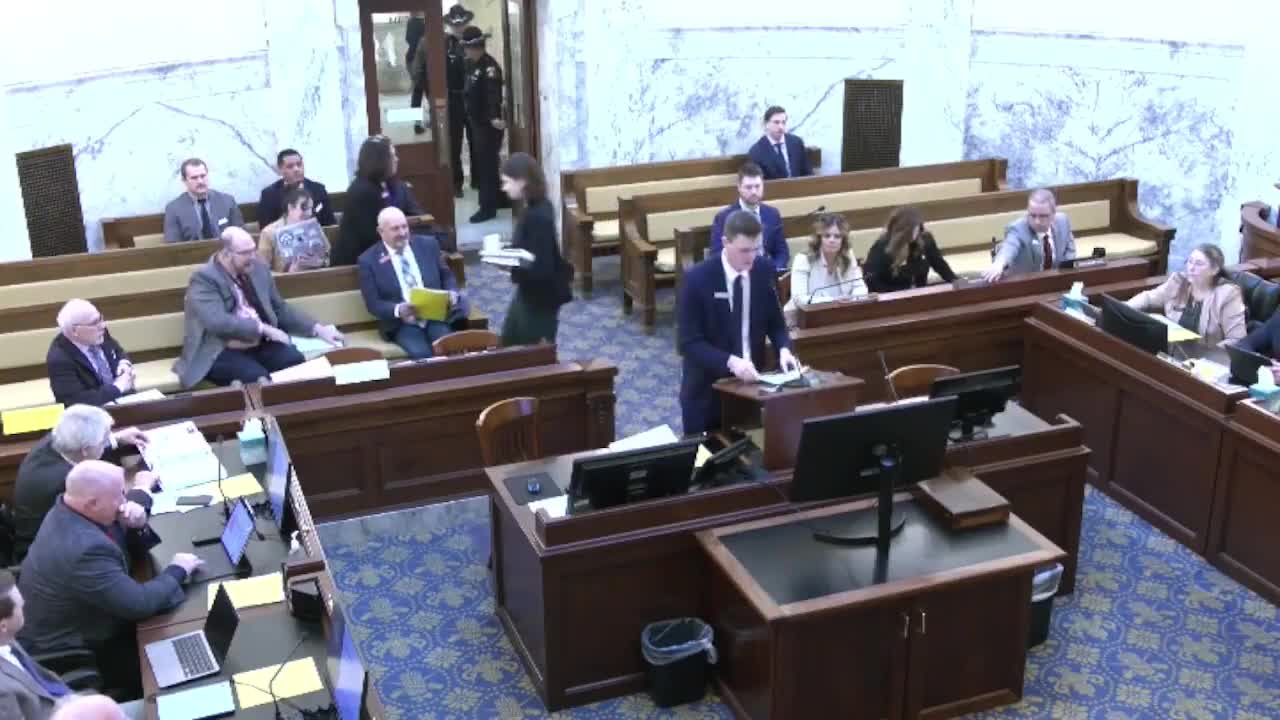
The Idaho Public Utilities Commission told the Joint Finance‑Appropriations Committee on Oct. 24 that its operations are funded by assessments on regulated utilities, that it typically maintains a sizable fund balance to smooth biannual receipts, and that the agency plans limited one‑time equipment replacements and a proposed increase in commissioner pay.
Kellen McGurkin, a Legislative Services budget analyst, briefed the committee on the PUC’s statutory role under Idaho Code and provided a five‑year budget trend. Eric Anderson, president of the PUC, attended and answered questions.
McGurkin said the commission is authorized 48 full‑time equivalents (including three commissioners) and typically spends about 81% of its appropriations with personnel accounting for roughly 75% of FY2024 expenditures. The PUC uses no general funds; its primary revenue source is a dedicated fund supported by assessments billed twice a year to regulated utilities.
The governor recommended a 5% increase in compensation for the three commissioners, which the analyst said would amount to about $23,100 in total ongoing appropriation (a change that requires statutory modification because commissioner salaries are set in statute). The PUC also requested $114,100 one‑time dedicated funds: $40,500 for a pipeline safety truck and $73,600 for items recommended by the Office of Information Technology Services, including laptop and switch replacements and licensing costs.
Commissioner Eric Anderson emphasized the PUC’s regional engagement on transmission and market issues — noting commissioners attend national and regional forums to monitor implications for Idaho ratepayers and investor credit ratings. He said the commission maintains records dating to 1913 and that its records staff and secure archive support filings and appeals.
Questions from legislators included the commission’s document management staffing (which Anderson said is approximately four administrative staff dedicated to document handling) and regional electric‑transmission developments that can affect Idaho utilities’ market choices.
No vote or statutory change was taken at the hearing; committee members were told commissioner compensation changes require statutory action by the Legislature if the committee elects to adjust pay.
Ending: The committee received the presentation and had staff and commissioners available for follow‑up; no formal actions were recorded during the session.