Get Full Government Meeting Transcripts, Videos, & Alerts Forever!
Get email alerts on the Veterans Homes Staffing topic
No spam. Unsubscribe anytime.
Veteran services asks JFAC to shift funding to hire temporary nursing pool as staffing shortage drives contract costs
Summary
The Division of Veteran Services requested a net transfer to hire 22 temporary benefited state employees to reduce reliance on higher‑cost contract nurses and outlined delays to construction funding caused by Build America, Buy America waiver issues.
The Idaho Division of Veteran Services briefed the Joint Finance‑Appropriations Committee on Oct. 24 and asked to shift operating appropriation to personnel to pilot a temporary nursing pool, aiming to reduce reliance on expensive contract nurses.
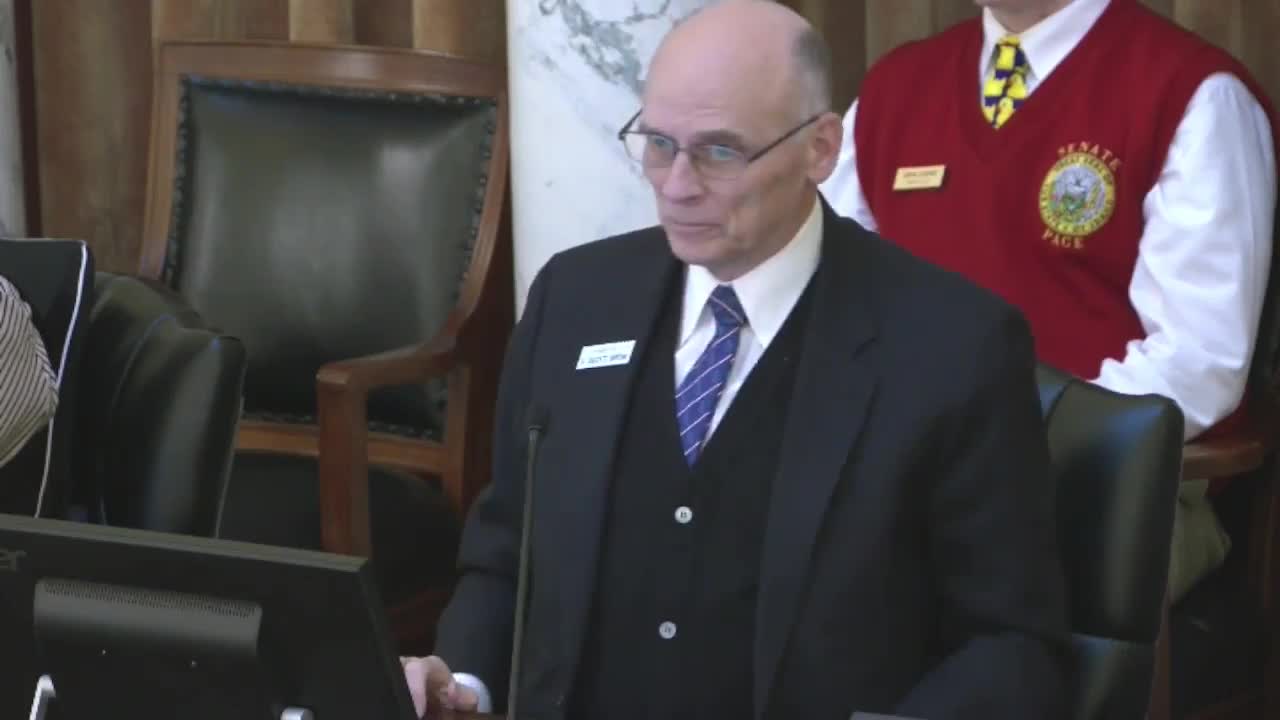
Frances Lippett, budget and policy analyst with the Legislative Services Office, presented the division’s budget overview. Mark Shample, chief administrator for the Division of Veteran Services, answered detailed questions from committee members about staffing, facilities and federal grant timing.
The division is authorized 439.5 full‑time equivalent positions and operates four state veterans homes (Boise, Lewiston, Post Falls and Pocatello) plus two state veterans cemeteries. Lippitt said the division averaged an appropriation for personnel costs of about $31.1 million and filled 82.2% of authorized positions on average. The division reported a turnover rate of about 34–35% for skilled nursing staff in FY2024.
To reduce contract staffing premiums, the division asked for a net transfer of $1,200,000 from operating to personnel to create a pool of 22 temporary benefited state employees who could work intermittent shifts. Administrator Mark Shample said the pool would allow members who do not want full‑time positions to accept shifts, which should lower the division’s spending on contracted nurses that the agency said cost “about three times more” than state employees.
The division also requested a one‑time package of $588,400 (including $133,400 for a shed and equipment at Post Falls and a dump truck for Boise Veterans Cemetery), $354,700 for replacement items (vehicles, medical equipment, kitchen appliances and building equipment), and $100,300 for IT hardware replacement. Lippitt noted the division is awaiting federal Department of Veterans Affairs state‑home grant funds (about $43.1 million that would pay roughly 65% of rebuild/renovation costs) but the projects are delayed because the VA has not yet granted waivers under the Build America, Buy America Act.
Shample described the program goals to convert aging facilities to single‑bed/single‑bath rooms for infection control and resident quality of life. He told the committee the Boise home is more than 50 years old and that the Lewiston and Pocatello homes are scheduled for renovation. Shample said the division has pressed the federal VA for a waiver and believes the department has demonstrated that many required construction components are not currently available domestically; as of the hearing he did not have an approved waiver.
Representative Price and Senator Ward Engelking questioned how the temporary pool would work and whether the agency had candidates; Shample said exit‑interview feedback shows many nurses will accept part‑time or intermittent shifts even if they decline full‑time work, and the division expects the pilot pool of 22 hires to be feasible. The committee asked the agency to supply market comparisons for contractor rates versus state pay; Lippitt said she would gather additional pay and premium information.
No formal votes were recorded at the hearing. Administrator Shample closed by noting that all four veterans homes are near capacity and that the division continues to expand outreach and veterans benefits work while managing operational staffing challenges.
Ending: The committee requested follow‑up data on contract nurse rates versus state pay and will monitor the pilot if approved as part of the FY2026 budget process.