Get Full Government Meeting Transcripts, Videos, & Alerts Forever!
Get email alerts on the Military Affairs Budget topic
No spam. Unsubscribe anytime.
Louisiana National Guard seeks continued funding as federal uncertainty threatens youth programs
Summary
The Louisiana National Guard told a Senate fiscal committee that continued state support is needed to sustain operations, preserve training and readiness and protect youth programs that rely heavily on federal funds.
The Louisiana National Guard told a Senate fiscal committee that continued state support is needed to sustain operations, preserve training and readiness and protect youth programs that rely heavily on federal funds.
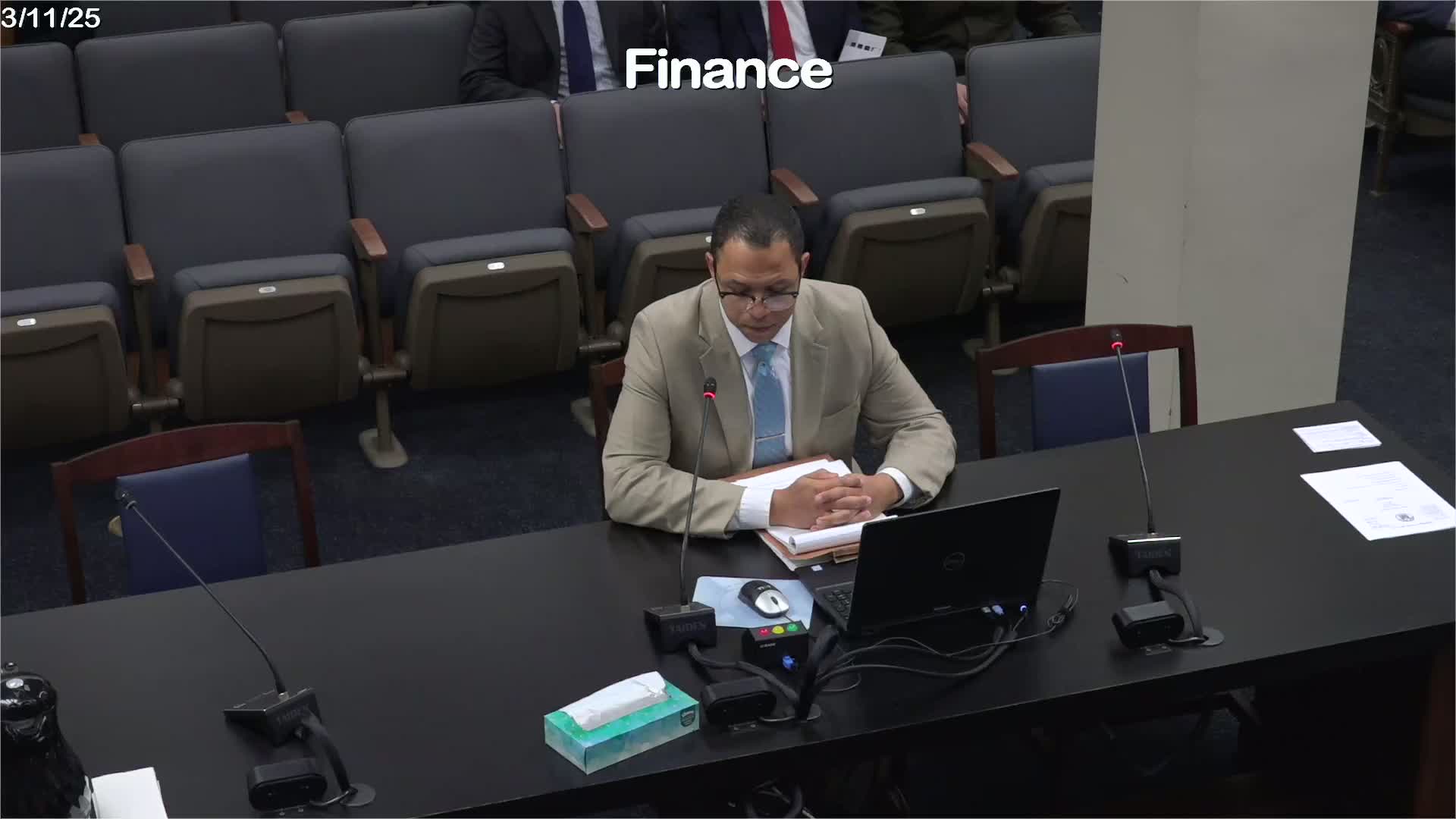
Major General Thomas Freeloux, the Adjutant General of Louisiana, told senators the Guard’s FY26 recommended budget is about $131.1 million and that federal funds account for just over half of the agency’s budget. “Every taxpayer dollar you’ve entrusted with us has been stressed to our to fulfill our federal mandates and serve Louisiana’s people,” Freeloux said.
The budget presentation by Chaz Nichols of Senate Fiscal Services showed historical spending and means of finance. Nichols said the department spent about $90.7 million in FY18, rose to roughly $125.4 million in FY24, and the FY26 recommendation is $131.1 million. State general fund support is roughly $50.9 million — about 39 percent — while federal funds total about $68.7 million. Personal services make up roughly 54 percent of the department’s budget; personnel services total about $70 million with related benefits of about $19.9 million, including $11.2 million for unfunded accrued liability payments.
Why it matters: the Guard warned senators that programs aimed at at‑risk youth depend on federal funding that may be cut or reprioritized. Freeloux said STARBASE — a DOD STEM outreach program for fifth graders — suspended operations in February 2025 because of federal budget constraints, and the Youth Challenge Program is funded about 75 percent by federal dollars and 25 percent by the state. “The Department of Defense secretary’s priority is combat readiness,” Freeloux said. “That is the very top priority. So ... STARBASE, Youth Challenge, Job Challenge ... are at risk in my opinion.”
Program outcomes and requests: Freeloux highlighted results the Guard attributes to state investment: the Youth Challenge Program has graduated more than 28,000 cadets, with an 82 percent HiSET pass rate and an average academic gain of 2.9 grade levels; Job Challenge provides vocational certifications with an 87 percent employment rate for graduates; and STARBASE programs have engaged more than 35,000 fifth graders in week‑long STEM curricula. The Guard said matching state appropriations have unlocked over $30 million in federal funding and generated a statewide economic impact the presentation estimated at $518 million.
To reduce exposure if federal funding falls, Freeloux said the Guard is developing a contingency to consolidate and operate a Louisiana‑only Youth Challenge capability using the state’s 25 percent share of current program funding. He also requested state support for a master plan to expand the Gilles W. Long Center as a center of excellence that could broaden training and partner with juvenile justice agencies.
Operational and facilities items: Nichols’s slides noted the department runs many full‑time facilities — generating higher operating and repair costs — and listed projects such as replacement of a Pineville training facility, renovation of motor pool buildings in Baton Rouge and readiness centers, and vehicle and roof replacements. The Guard said it plans a means‑of‑finance swap to move security positions at Jackson Barracks from dwindling federal security funds to state funds to focus federal dollars on training centers at Minden and Pineville; Freeloux said that would not change the number of authorized positions.
Members’ questions and committee exchange: Senator Clough praised the youth programs and asked whether the Guard ties program outcomes to recruiting; Freeloux replied enlistment from the programs is “a low number” and not the main objective, which he described as mentorship and life‑path improvement. Senator DeSalle asked about waiting lists; Freeloux said capacity dropped after COVID but is recovering and class fill rates are now “somewhere between the 80 and 90 percentile.”
Context and readiness: Freeloux described the Guard’s dual federal and state missions, referenced recent federal and state deployments (including support to Operation Lone Star and overseas training rotations involving more than 1,000 guardsmen), and described domestic responses following a January 1 attack on Guard headquarters in New Orleans and security operations during the Super Bowl and Mardi Gras. He also said the Guard’s strategic plan, “Louisiana National Guard 2052,” outlines long‑term capital and operational needs.
Formal committee action: the committee recessed the hearing; a motion to recess was made and seconded and the chair announced the motion carried.
Looking ahead: Freeloux told senators he would welcome continued state investment to sustain readiness, preserve youth‑development programs and fund a facilities master plan; he said the Guard will press the Department of Defense to restore federal support but is preparing state contingencies if federal funds do not return.