Get Full Government Meeting Transcripts, Videos, & Alerts Forever!
Get email alerts on the Criminal Defense Clinics topic
No spam. Unsubscribe anytime.
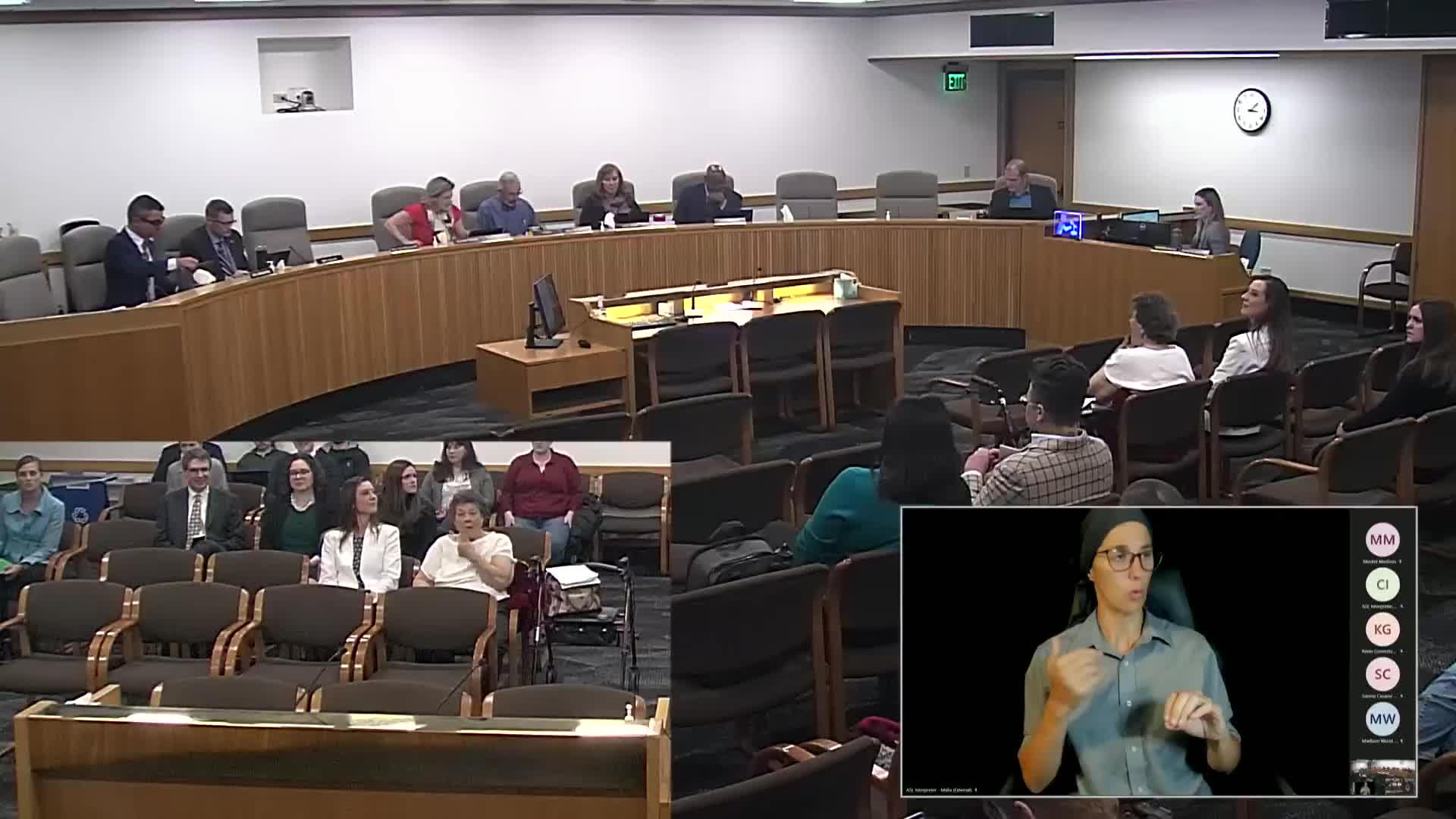
Senate Judiciary Committee hears testimony on bill to fund law‑school criminal defense clinics
Summary
On Feb. 4 the Oregon Senate Committee on Judiciary held a public hearing on Senate Bill 474, which would create a Criminal Defense Clinical Legal Education Program within the Higher Education Coordinating Commission and provide ongoing funding for misdemeanor defense clinics at Oregon’s three law schools.
PORTLAND — On Feb. 4 the Oregon Senate Committee on Judiciary opened a public hearing on Senate Bill 474, which would create the Criminal Defense Clinical Legal Education Program within the Higher Education Coordinating Commission and establish a dedicated fund to support law‑school misdemeanor defense clinics. The bill is written to take effect July 1, 2025.
Sen. Prozanski, who said she filed the bill, told the committee the measure aims to sustain funding for existing clinics at Oregon’s three law schools and to help address a shortage of attorneys available for constitutionally guaranteed criminal defense. “This is a great training opportunity for young people who may want to get into public service such as defense,” she said during opening remarks.
Jillian (committee staff) opened the hearing with a short summary of the bill’s structure and effective date. Rachel Marmont, an attorney with Metropolitan Public Defender and an adjunct professor at Lewis & Clark Law School, described the clinics’ first year of operation and the legislature’s initial funding. She told the committee that the Legislature previously allocated $2,100,000 for misdemeanor criminal defense clinics at Lewis & Clark, Willamette and the University of Oregon for the 2024–25 academic year and set a mandate to train 60 law students and handle 300–400 misdemeanor cases in the first year.
Marmont said the three clinics began in August 2024 and currently serve Multnomah, Washington, Marion and Lane counties. After roughly five months of operation she reported 49 students enrolled and 296 cases taken — figures she said put the clinics on track to meet or exceed the initially stated goals. If continued funding were provided through the 2025–27 biennium, Marmont said the clinics would expect to train about 120 students and handle nearly 1,000 cases over time.
Student and office testimony emphasized practical benefits. Madison Wood, a third‑year law student at Lewis & Clark who testified remotely, said, “The clinic has pushed me outside of my comfort zone, which has helped reinforce my passion for public defense.” She told the committee she accepted a position with Metropolitan Public Defender upon graduation and said the clinic prepared her to “hit the ground running.” Serena Casares of the Office of Public Defense Services of Lane County said clinic participants have courtroom and supervision experiences that make them ready to handle misdemeanor cases on day one of licensure. “Clinic graduates are ready to take cases immediately upon licensure,” Casares said.
Shannon Wilson, executive director of the Public Defender of Marion County, described a formal partnership with Willamette that includes a fellows program and said the county is seeing higher quality, better‑prepared hires because of clinic experience. Professors and clinic directors from the three law schools described the clinic model as a “gold standard” for experiential training and said it also helps retain and attract lawyers to public defense, including to rural counties.
Witnesses asked the Legislature to continue and enlarge the investment. Marmont requested $3,600,000 in ongoing funding to sustain the program across the three law schools. In written and oral testimony panelists tied short‑term results — removing hundreds of misdemeanor cases from an unrepresented list — to longer‑term workforce benefits, including earlier readiness to handle lesser felonies.
The committee asked clarifying questions about supervision, client consent for certified law students, and whether clinics reduce burdens on public defender offices. Panelists said clinics include intensive supervision, require client consent for certified student representation, and reduce training burdens on offices while increasing early courtroom exposure for students.
The committee closed the public hearing on SB 474 and moved on to the next agenda item. There was no committee vote on SB 474 during the Feb. 4 session.