Get Full Government Meeting Transcripts, Videos, & Alerts Forever!
Get email alerts on the Psychiatric Hospitals topic
No spam. Unsubscribe anytime.
State hospitals accredited, but civil-commitment costs and longer stays drive supplemental requests
Summary
Analysts and the Department of Health and Welfare told the Joint Finance-Appropriations Committee that all three state psychiatric hospitals are accredited, Medicaid billing produced some federal receipts, but civil-commitment costs and more patients exceeding 60-day federal billing limits are increasing state general fund needs.
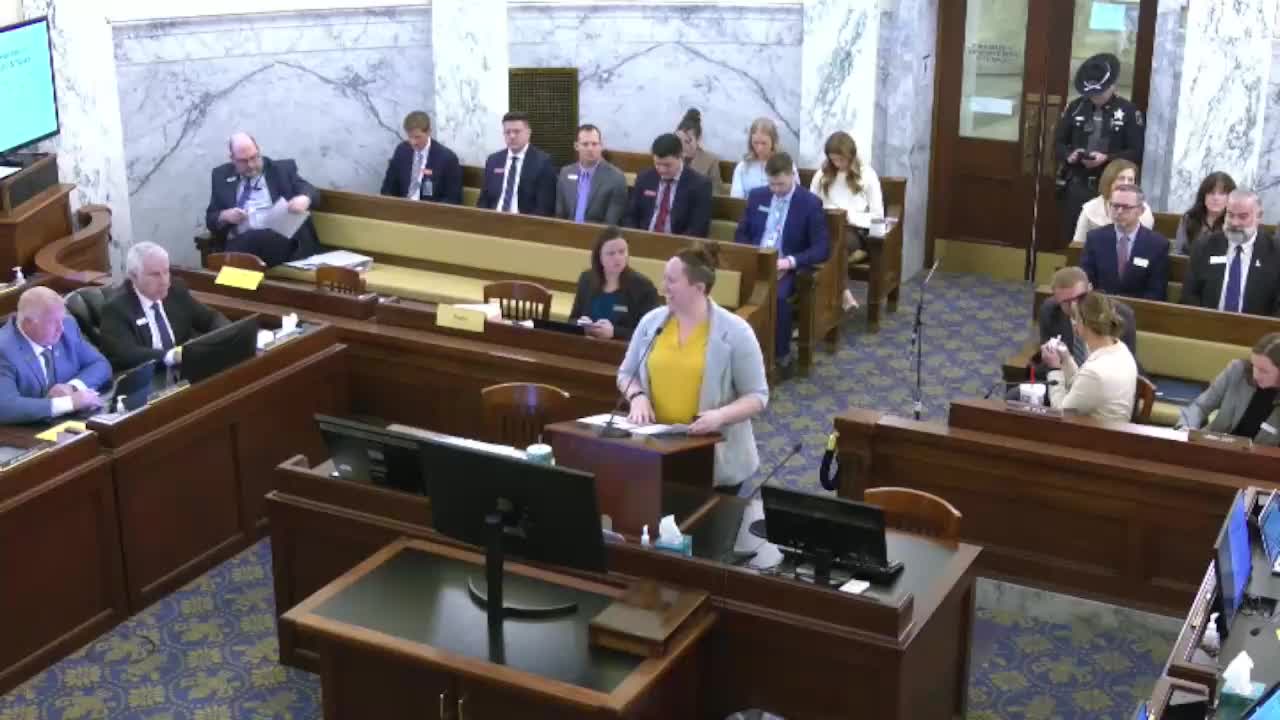
Alex Leanson, budget and policy analyst with the Legislative Services Office, presented the Division of Psychiatric Hospitalization budget and noted the division is authorized 467 FTP across three hospitals: State Hospital South (Blackfoot), State Hospital North (Orofino) and State Hospital West (Nampa).
Leanson told the committee that in fiscal year 2024 the division’s expenditures were driven primarily by personnel and operating costs and that accreditation delays had previously affected the hospitals’ ability to bill Medicaid. Alex Adams, Director of the Department of Health and Welfare, confirmed all three facilities are now accredited; he reported State Hospital West had billed about $1.6 million and received $1.3 million in receipts so far after accreditation began billing Medicaid.
Why it matters: the division requested a one-time $2.6 million general‑fund supplemental for civil‑commitment expenditures in fiscal year 2025. Committee members traced the fiscal pressure to a 2022 law change (Senate Bill 1327 of 2022) that shifted some civil-commitment costs from counties to the state. Director Adams said the department does not control the number of civil holds — those are clinical or law-enforcement decisions — and that the state now bears costs when holds occur, which makes the expenditure an entitlement-like expense the department must pay when triggered.
Committee members also discussed length of stay and federal billing: Medicaid reimburses stays of 60 days or less, but stays exceeding 60 days yield no federal reimbursement for those patients. Director Adams said the share of admissions lasting more than 60 days rose from about 17% to about 37%, increasing state costs. Ross Edmonds, division administrator for Behavioral Health, said restoration‑to‑competency commitments (court‑ordered evaluations/treatment for defendants found not competent to stand trial) have driven a marked increase in demand, roughly a 600% increase over the prior decade, and that restoration cases now occupy a large share of state hospital beds (about 75% at State Hospital North, Edmonds said).
Staffing and capacity: Director Adams said vacancy rates are lower than the agency‑wide average at the hospitals, with State Hospital West at 0% vacancy, State Hospital South at 2.8% vacancy and State Hospital North at 11.5% vacancy. Adams told the committee a higher staffing level helps reduce community‑hospitalization costs by increasing the number of patients moved quickly to state hospitals.
Funding mechanics: the hospitals asked to shift some funding sources (for example, moving federal spending authority to dedicated receipts where appropriate) to reflect how Medicaid billing and third‑party contracts operate. Leanson’s slides included requests to shift $2.2 million for State Hospital West and $4.8 million for State Hospital South from federal funds to dedicated or general funds in the fiscal 2025 supplemental table; those shifts net to zero in the appropriation column but change the funding sources the hospitals use to pay for services.
Ending: the department requested a transfer‑exemption similar to the mental‑health division request; committee members asked for follow‑up on the trends driving civil‑commitment costs and for more detail on billing and receipts since accreditation.