Get Full Government Meeting Transcripts, Videos, & Alerts Forever!
Get email alerts on the Higher Education Tuition topic
No spam. Unsubscribe anytime.
House education committee advances bill to raise community college tuition cap to $3,250
Summary
House Bill 79, which would raise the statutory cap on community college tuition from $2,500 to $3,250, was sent to the Idaho House floor with a “do pass” recommendation after a voice vote on Feb. 3 before the House Committee on Education.
House Bill 79, which would raise the statutory cap on community college tuition from $2,500 to $3,250, was sent to the Idaho House floor with a “do pass” recommendation after a voice vote on Feb. 3 before the House Committee on Education.
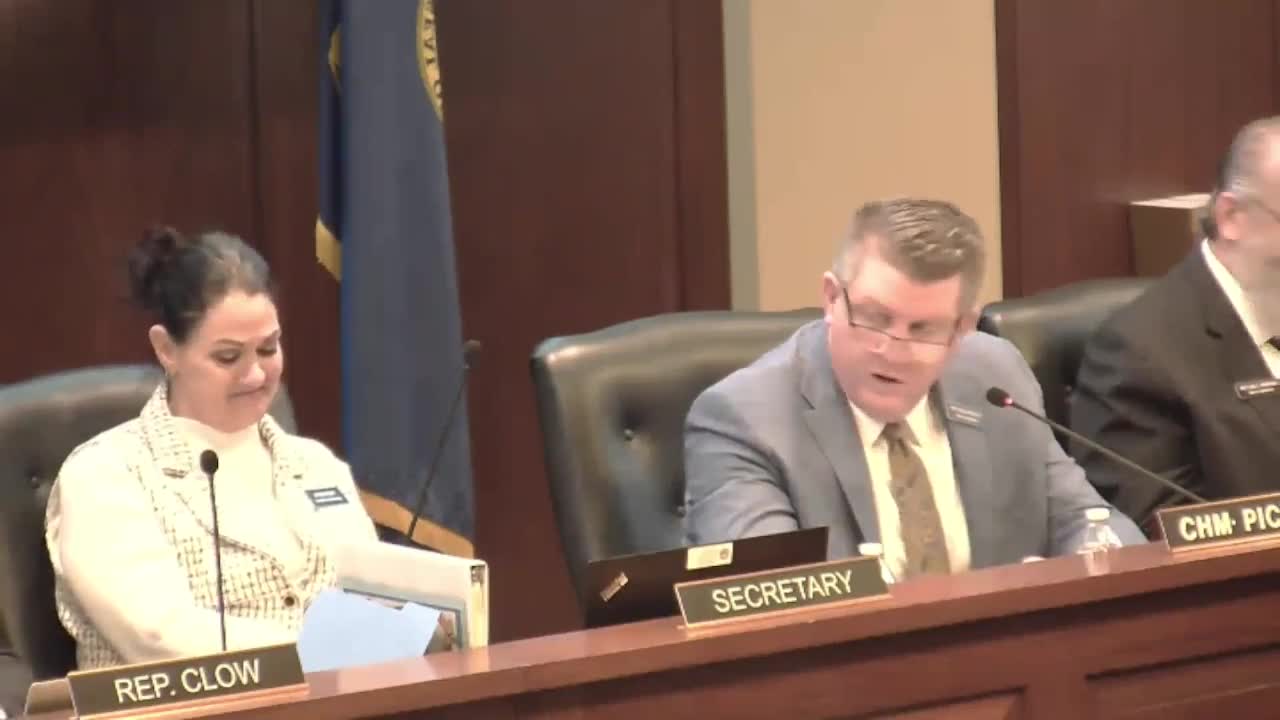
Representative Lance Clow, R‑District 25, told the committee the increase responds to long‑running funding pressure at community colleges, saying the colleges’ locally governed boards have “reached their caps” and need additional revenue to address staff pay and capacity. “We increase the cap from $2,500 to 3,250,” Clow said in presenting the bill.
The bill would only change the maximum statutory cap and would not alter an existing state code limit that prevents any single community college from raising tuition more than 10 percent in a single year, Clow said. He told the committee that community college leaders expect an average first‑year tuition increase across colleges of about 5 percent and that the fiscal note projects roughly $1.5 million in additional tuition revenue spread among the four community colleges.
Representative Dan Garner moved the committee recommendation to send House Bill 79 to the floor with a “do pass” recommendation. After brief committee discussion, the chair put the question to a voice vote. “All in favor, say aye,” the chair said. “Aye.” “Any opposed, say nay.” The motion carried.
Representative Brent Nelson, who represents part of the College of Southern Idaho district, said he supported the bill and noted that colleges face wage pressure from private‑sector hiring. “The private sector has raised wages lately … and now it’s simply to be able to hire people and it’s quite a challenge for them,” Nelson said.
There was no public testimony on the bill during the committee hearing. Clow closed by reiterating that community colleges rely on a mix of property taxes, tuition and state funding and that some state allocations cover career technical staff but not all regular staff, a gap he said the cap increase would help address.
The committee’s favorable recommendation sends House Bill 79 to the House floor for further consideration and possible amendment.