Get Full Government Meeting Transcripts, Videos, & Alerts Forever!
Get email alerts on the Behavioral Health topic
No spam. Unsubscribe anytime.
Tooele County Human Services revises local behavioral‑health contracting, seeds new programs
Summary
The county’s Human Services director described a new contracting approach for about $3.5 million in behavioral‑health pass‑through funds, shifting some services from fee‑for‑service contracting to direct county agreements to increase flexibility, oversight and new pilots including jail peer support and a youth day‑treatment pilot.
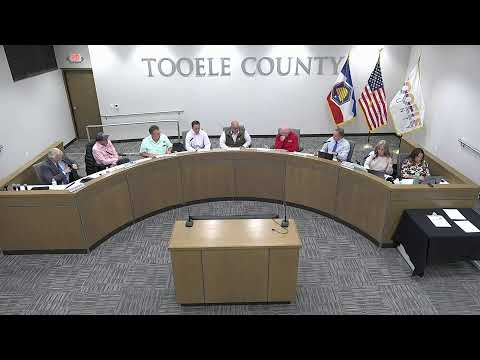
Peter Clegg, director of Tooele County Human Services, told the council on Oct. 7 that the department has revised how it distributes roughly $3.5 million in state and federal behavioral‑health pass‑through dollars and has executed new agreements with local providers to increase flexibility, oversight and measurable outcomes.
Clegg said the county is designated as the local mental‑health and substance‑abuse authority “as per state code,” and that the total pass‑through funding is roughly $3.5 million. He said roughly $400,000 is earmarked for substance‑use‑disorder prevention and that the county currently contributes about $350,000 in matching funds for some program buckets.
Why it matters: Clegg said the county changed its approach because the prior model — routing funds through the managed‑care partner that handled fee‑for‑service claims — left limited flexibility to pilot new programs and left unspent funds at year end. The new approach keeps clinical oversight where appropriate with the managed‑care organization while routing other funds through direct county contracts with standardized quarterly reporting to emphasize accountability, innovation and outcomes.
New and expanded services: Clegg described several new or expanded initiatives that county leaders will seed with these funds, including: peer‑support recovery services inside the county jail (expanded to both male and female inmates), a youth day‑treatment (partial hospitalization) pilot to avoid daily van transports to Salt Lake providers (target start January), on‑site mental‑health counseling at a local Boys & Girls Club, workforce‑development projects and enhanced case management to help underinsured residents access Medicaid or other payers.
Clegg said the county had identified contractors for the youth day‑treatment pilot and that the program expects to begin in January. He said the county will require quarterly outcome reports, continuous data collection and collaboration with partners including the local health department.
Council exchange: During Q&A, a council member asked what “underinsured criteria” meant. Clegg said the county uses a standardized sliding fee scale tied to income and that many residents who appear insured still face high deductibles; the county’s safety‑net agreements include a case‑management component to screen eligibility for public payers (Medicaid/CHIP) and assist enrollment.
Clegg asked the council to ratify contracts that the county manager had executed; the council indicated the agreements are ratified at the meeting. Several council members praised the department for increased continuity and efficiencies under Clegg’s leadership.
Ending: Clegg framed the changes as a shift toward outcomes and local accountability: “We want to be moving the needle and making meaningful change,” he told the council. The county will monitor baseline data during the coming year and report outcomes through quarterly contractor reports.