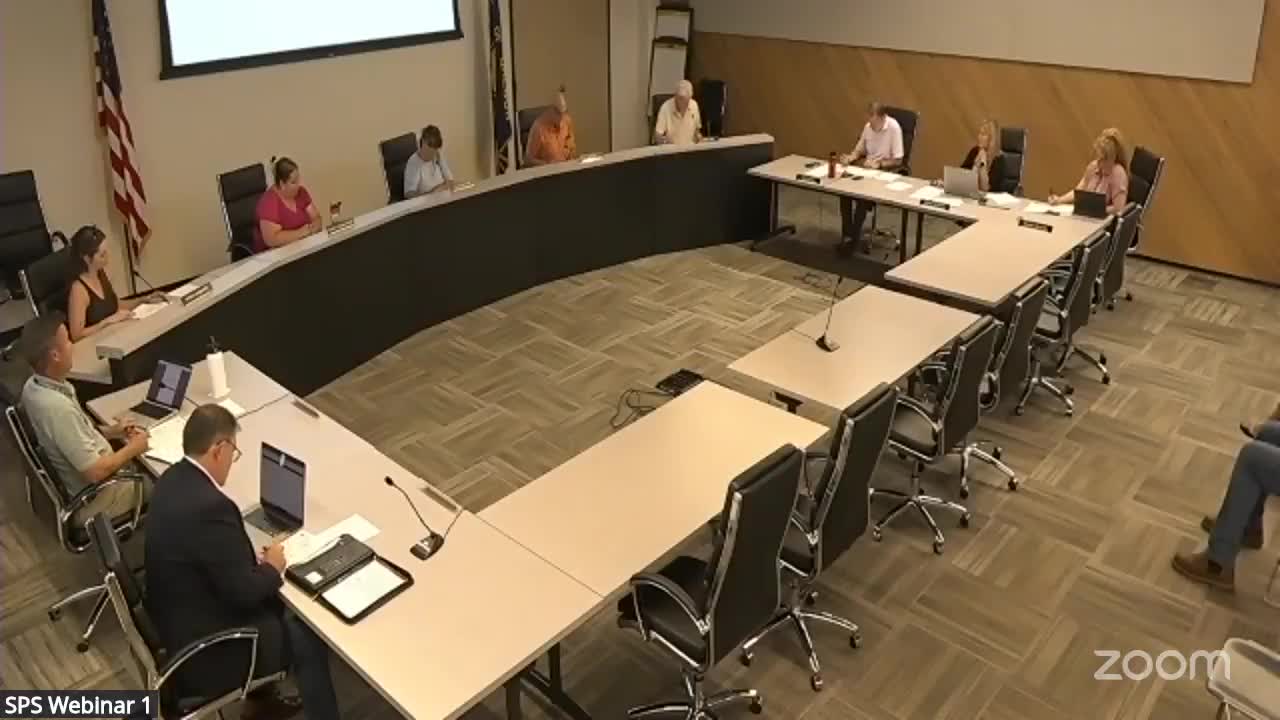
Parent, teachers urge board to address gaps in elementary curriculum
Loading...
Summary
A public commenter and teacher-submitted written comments told the Springfield School District board they believe elementary students receive too little instruction time in subjects outside language arts and asked the board to ensure compliance with state curriculum mandates and improve reporting and accountability.
Jenny Osteen, a Springfield resident, told the school board on Aug. 11 that she read a letter from several teachers raising concerns about elementary curriculum and asked whether the district is meeting Oregon legislative and department mandates for required subjects.
Osteen said the teacher letter and her own observations suggest “tunnel vision of language arts” that leaves limited instructional time for science, history, math, health and the arts — “15 to 30 minutes a week for each” in the commenter’s characterization — and asked whether Native American curriculum is included in those limited blocks. “Isn't the role of the board to make sure that Springfield children are learning what the Oregon State legislature and Department of [Education] says they're supposed to be learning?” she asked.
The board president noted the district had received two written comments by email: one from Sandoval von Broom Salazar regarding a schedule change at the high schools and a shared teacher comment about curriculum. The board said written public comments were reviewed and posted on the district website in advance of the meeting.
Why it matters: The commenter framed the concern as both a compliance question and a curricular-quality question — asking whether required content is being delivered and whether the district has reporting and accountability mechanisms in place. The board did not take action on the issue during the meeting; Osteen urged the board to “start fixing this” so students receive broader instruction.
Context and next steps: The board’s public-comment procedures and the presence of written teacher comments mean the concern will be part of the record available to the board and the public. The board did not make a decision or direct staff to a specific action during the Aug. 11 meeting; several board members noted the item and public comment for future consideration when staff brings reports to the board.
Ending: The board acknowledged the comment and accepted the written submissions; no formal vote or policy change on the elementary curriculum was made at the Aug. 11 meeting.