Lifetime Citizen Portal Access — AI Briefings, Alerts & Unlimited Follows
Reentry provider: Hidden Creek has empty beds; legislators ask DOC for list of available reentry slots
Loading...
Summary
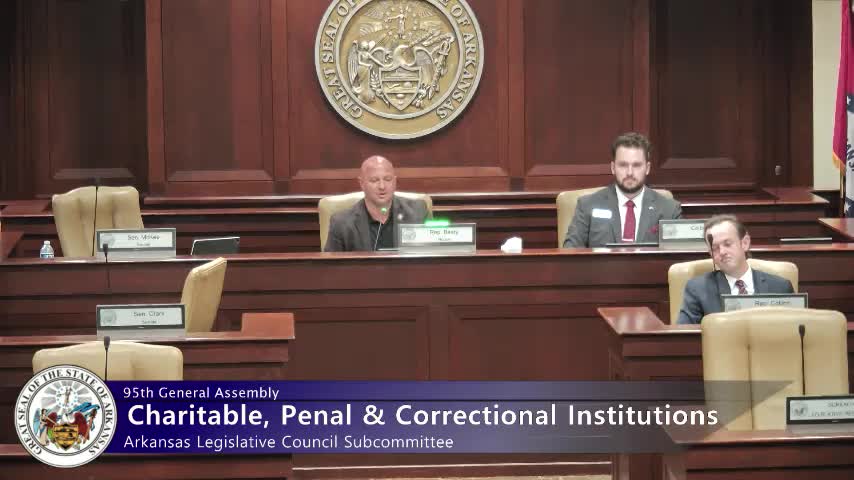
Jim Bell, owner of the Hidden Creek Reentry Center in West Little Rock, told a legislative corrections committee his 60‑bed facility has roughly 20 vacancies and urged fuller use of reentry beds. Committee members asked the Department of Corrections to report available slots at private reentry centers and to explain barriers to placement.
A private reentry operator told lawmakers his facility has substantial unused capacity and urged the Department of Corrections to send more eligible inmates to reentry centers that provide jobs, housing help and programming.
"We have employers begging us to send more of our inmates," Jim Bell, owner of Hidden Creek Reentry Center, told the committee. Bell said Hidden Creek — a 60‑bed residential reentry program that takes people within roughly 18 months of their release — had about 20 vacant beds at the time of the hearing.
Bell described the program model: residents typically serve six months in the center and, if they complete the program, the department removes the final 12 months of their prison term. Bell said residents must have a job when they arrive or secure employment quickly; they are drug tested twice weekly, receive life‑skills classes and help obtaining IDs, Social Security cards, driver's licenses, housing and often a car. He said the facility holds returned wages for participants and charges about $500 monthly from residents; the state pays about $800 per resident.
Bell said the program has low recidivism compared with state averages. He cited a seven‑year study period where the program's recidivism rate was approximately 23 percent, compared with much higher statewide averages. He also said many county jails and other reentry providers have closed or operate below capacity.
Committee members sought reasons for the underuse. Department of Community Corrections director Jim Cheek and Jared South, area manager for reentry, said multiple constraints reduce the pool of qualified candidates: medical issues, pending charges, institutional conduct problems, active warrants and statutory or policy screening rules that limit transfers. The department also cited funding and operational limits — the division has funding for approximately 208 reentry beds statewide but was operating about 182 at the hearing.
Board of Corrections Chairman Benny Magnus explained another constraint: parole‑board review of reentry placements. He said the post‑prison transfer board must approve many placements because reentry centers provide an early, supervised transition into the community.
The committee agreed, without objection, to send a communication to the Department of Corrections asking for a list of available reentry beds across the state and an explanation of why beds are underused. Lawmakers also asked the department for a 90‑day snapshot showing which inmates were eligible for reentry placements and reasons they were not transferred.
Why it matters: Reentry centers are less costly than prison beds and provide employment and transitional supports that can reduce recidivism. Lawmakers said fuller use of reentry capacity could relieve county jail backlogs and save state money.
What comes next: Committee staff will send a request to the Department of Corrections and to community‑corrections leadership asking for available-bed inventories, the 90‑day eligibility snapshot, and reasoning for denials; department representatives said they will provide the requested materials and continue to work with private providers.