Get Full Government Meeting Transcripts, Videos, & Alerts Forever!
Get email alerts on the Asset Limits Benefits topic
No spam. Unsubscribe anytime.
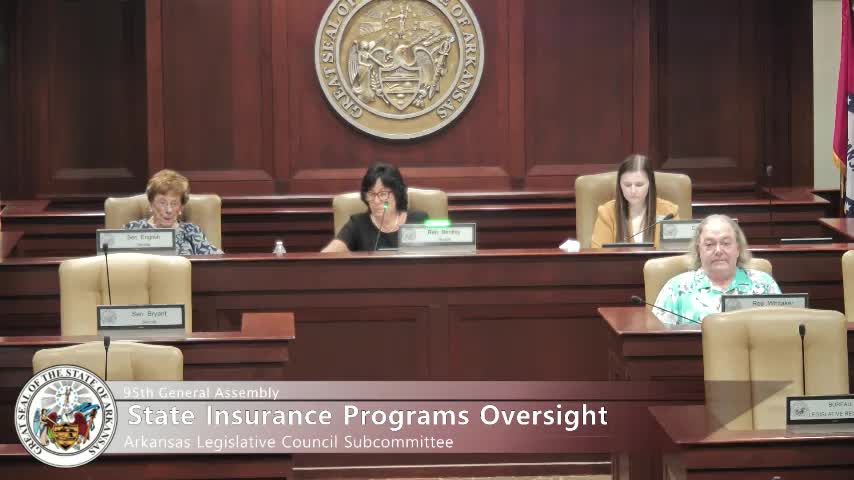
Subcommittee accepts interim study on raising asset limits for benefits
Summary
A legislative subcommittee accepted an interim study from Rep. Diane Bott asking staff to examine whether Arkansas should raise or remove asset limits on public benefit programs, citing other states and concerns about families ‘‘spending down’’ savings.
A legislative subcommittee voted by unanimous consent to accept an interim study from Representative Diane Bott to examine the effects of raising or removing asset limits for public benefit programs.
Rep. Diane Bott proposed the study during the committee’s meeting, saying other states have taken different approaches and that Arkansas’ current limits can punish families for holding small amounts of emergency savings. “Texas just raised theirs to $5,000. Oklahoma has no limit. Florida has no limit, and Louisiana has no limit,” Bott said. She said limits can force families to ‘‘spend down’’ savings to remain eligible for benefits and can discourage people from accepting pay increases.
The study will ask staff to collect data from states with higher or no asset limits and to analyze potential impacts on program enrollment, administrative burden and family stability. Bott cited everyday expenses — a broken refrigerator or a flat tire — that can derail a household’s ability to work and care for children if families are required to spend savings to qualify for assistance.
The chair accepted the study into the subcommittee "without objection," indicating the committee will direct staff to gather comparative data on asset limits, enrollment effects and administrative costs. No formal roll-call vote was taken; the action was adopted by unanimous consent.
The acceptance does not itself change policy; it directs staff and the committee to investigate. Committee members did not specify a schedule or deadline for the staff report at the time the study was accepted.
The subcommittee’s next meeting was mentioned as the point at which follow-up items will be scheduled; committee staff are expected to provide the scope and timeline for the interim study to members.