Get Full Government Meeting Transcripts, Videos, & Alerts Forever!
Get email alerts on the Municipal Budget topic
No spam. Unsubscribe anytime.
Goldendale council reviews draft 2026 budget, flags streets shortfall and airport fuel gap
Summary
Goldendale City Council on Oct. 24 held a budget workshop where staff presented a draft 2026 budget that estimates the general fund will bring in roughly $3.5 million and end the year with about $706,000 in reserves, but identified a recurring funding shortfall for the streets fund and an anticipated operating gap in airport fuel sales.
Goldendale City Council on Oct. 24 held a budget workshop where staff presented a draft 2026 budget that estimates the general fund will bring in roughly $3.5 million and end the year with about $706,000 in reserves, but identified a recurring funding shortfall for the streets fund and an anticipated operating gap in airport fuel sales.
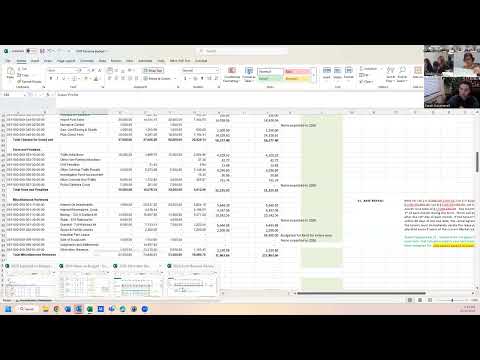
The presentation, led by a city finance presenter identified in the meeting as Sarah, laid out the administration’s method for building the draft: carry forward audited 2024 ending balances, annualize year-to-date revenues and expenditures through June 2025, and adjust expenses by department conversations and modest payroll increase assumptions. “We’re here tonight to talk about the budget,” Sarah said at the start of her presentation. She told the council the city’s general fund revenue estimate is about $3,500,000 for 2026 and that the draft anticipates a $73,000 increase for the year (after using a beginning fund balance roll-over of about $632,000), yielding a projected ending balance of roughly $706,000.
Why it matters: staff said the $706,000 reserve and the $73,000 year-over-year gain are intended to keep the city from drawing down cash balances and to preserve capacity for grant matching or unexpected costs. Council members repeatedly asked whether the modest projected surplus could sustain new personnel or ongoing services; staff cautioned that a one-time hire (for example, an animal-control officer) would not be sustainable on the current revenue assumptions.
Key budget details and trade-offs
- Revenues and assumptions: Staff described using year-to-date figures (through June 30, 2025) and historical patterns to “annualize” expected full-year revenues. Shared state revenues, property taxes and business-and-occupation receipts make up most general-fund income. Several department payroll assumptions were used: police 5% projected increases, most other departments 3%, with fire and the council/staff line held flat.
- COPS grant and personnel: The draft includes one new position associated with a COPS grant and reflects the grant’s first-year revenue of $40,000 tied to that hire. Sarah summarized the change as a net addition in payroll and offsetting grant revenue but noted ongoing benefit and operating costs remain with the city.
- Transfers and subsidized funds: The general fund is funding nearly all of parks and recreation in the draft: roughly $207,724 is shown as a transfer to parks and rec. Staff said parks and rec currently relies on the general fund because the program has limited fee-based income. The capital-improvement (real estate excise tax) fund brings in approximately $50,000 annually, and staff recommended preserving that balance to provide TIB (Transportation Improvement Board) matching funds in future years rather than spending it in 2026.
- Streets fund shortfall: Staff told the council that the streets fund’s baseline operations exceed its baseline revenue and that the draft balances streets for 2026 by transferring money from the economic development fund. The administration presented options for funding streets in future years: continue periodic transfers from economic development, use capital-improvement REET funds for TIB match in alternating years, create a transportation benefit district, or accept a declining streets fund balance if no new revenue is identified.
- Mill Street / TIB eligibility: Council members discussed Mill Street and a corner property that must be resolved before applying for TIB funding. Staff said the city did not apply to TIB for 2026 because it lacked the matching funds after losing prior county matching support. “The match for TIB is usually between $50,000 and $100,000,” a council member said during the discussion.
- Airport fuel operations: Staff identified the airport as an operating area with an expected net loss in the draft. The budget shows about $58,000 in airport expenditures and roughly $15,000 in airport fuel sales revenue (both figures were drawn from June 2025 annualized projections), producing a projected net shortfall of about $43,000 for the airport enterprise in 2026 as currently budgeted. Sarah noted that operating supplies, personnel and utilities make up a significant portion of the airport cost base and cautioned that fuel inventory timing and turnover affect realized margins.
- Water and sewer fund: The draft shows the city’s water and sewer enterprise growing by about $339,000 in fund balance in 2026, driven by prior rate increases. Staff discussed charging shared personnel costs to the enterprise fund where appropriate to reflect cross-fund work and to help relieve pressure on governmental funds; staff said those transfers are allowable only within accounting rules for enterprise-to-government cost allocation.
- Economic development and incubator property: The economic development fund includes revenue from incubator properties; staff said the fund is expected to grow modestly (to an estimated roughly $166,000 in fund balance) and can be used for one-time needs, including matching grants. Council members discussed prior short-notice grant opportunities that funded the incubator building and whether the city should pursue similar grants in the future.
- Animal control and county shelter discussions: Multiple council members raised animal-control services. Staff said animal-control activity has historically been administered through the police department budget and that the draft does not include a new, standalone animal-control position because the general fund does not support an ongoing additional hire without additional revenue. Council members reported county-level planning for a regional animal shelter and county grant activity; staff said the city has discussed cost-sharing possibilities with county staff but that nothing is yet finalized.
Other items discussed
- Creative district: Council members asked whether revenue or programming from a state-designated “creative” (arts and culture) district would route through parks and rec or the general fund; staff said they would research RCW limitations and report back.
- County criminal-justice sales tax: Councilmembers discussed a proposed county-level 0.1% criminal-justice sales tax under consideration by county commissioners; staff said initial county estimates would allocate about $40,000 to Goldendale if the county enacts the tax and then adjusts local charges for jail and probation services to account for the change.
Council action and next steps
Council did not adopt the budget at the workshop. Staff asked the council for policy direction on three near-term funding choices: (1) whether to preserve REET/capital funds for TIB matching and run streets projects every other year, (2) whether to continue the practice of transferring economic-development funds to cover annual streets shortfalls, and (3) whether to pursue or accept future incubator-leasing revenue when contracts are available. Several council members signaled support for continuing transfers from economic development to streets and preserving REET funds for periodic TIB matches. Sarah and staff offered to return with any required ordinance or revenue-levy language and to provide the RCW references requested on creative-district spending limits.
The council also raised operational follow-ups: tracking airport fuel margins as more months of data accrue, refining payroll allocations across funds, continuing county conversations about animal-control cost-sharing, and verifying the status and expected timing of any incubator lease agreements.
The budget schedule: staff noted final levy and budget adoption steps occur in November–December; staff did not include an assumed November sales-tax ballot measure in the draft.
Quotes from the meeting:
“We’re here tonight to talk about the budget,” Sarah said as she began the presentation. Later she summarized the airport position: “we’re showing a loss of about $43,000 anticipated for the budget” for airport operations as currently projected.
“It’s almost always general fund” that subsidizes parks and rec, Sarah said when describing how most municipalities fund recreation services.
Ending: Staff will return with more detail and proposed ordinance language as needed; the council directed staff to hold REET funds for potential TIB matching, to plan for periodic economic-development transfers to streets as needed, and to continue county discussions on animal-control sheltering and the county criminal-justice sales tax.
(Report language reflects figures and statements presented at the Oct. 24 budget workshop and does not record final council adoption.)