Get Full Government Meeting Transcripts, Videos, & Alerts Forever!
Get email alerts on the Public Comment topic
No spam. Unsubscribe anytime.
Committee endorses clearer public-comment rules; debate continues over special meetings and board-member participation
Summary
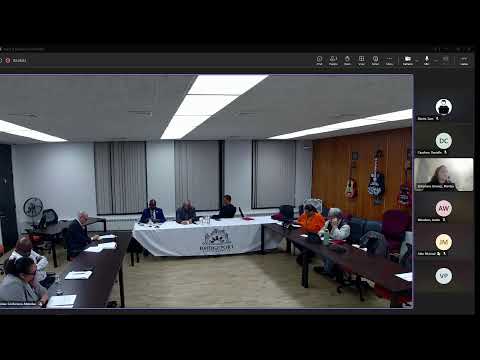
Committee recommended a 3‑minute limit for public comment and debated whether special meetings should include public comment and whether noncommittee board members should be recognized to speak during committee meetings.
The committee advanced changes to meeting-conduct policy 9160 that would clarify rules for public comment at regular and special Board of Education meetings, including a recommended three‑minute time limit per speaker and guidance on the number of speakers allowed.
Members debated whether public comment should be included at special meetings. Some members said the practice should remain as it is — in special meetings public comment is limited to agenda items only — while others argued that public comment should be provided at special meetings as a matter of transparency. The committee discussed whether to cap total public‑comment time (suggestions included 30 or 45 minutes) and how many speakers would be allowed before the board would vote to extend time.
Another disputed change would require committee chairs to "shall" recognize noncommittee board members to speak in portions of committee meetings that are open to the public. Some members argued that changing the word "may" to "shall" simply codifies longstanding practice and prevents the chair from excluding board members; others cautioned that mandatory language could create unintended meeting‑management issues.
The committee also discussed logistics: whether sign‑up sheets at meetings should accept any number of signups, how many minutes each speaker should receive (committee consensus favored three minutes per speaker), and whether board members should speak during sections labeled "public comment" or be recognized by the chair in the meeting order. One member proposed limiting public‑comment speakers at regular meetings to a set number but allowing the board to extend time if it chooses.
Why this matters: public-comment rules shape how and when parents, staff and community members can address the school board and how board members participate in committee discussions.
Next steps: the committee moved policy 9160 to the full board for first reading; staff will incorporate the committee’s edits and present a clean draft for the Board of Education to consider.