Get Full Government Meeting Transcripts, Videos, & Alerts Forever!
Get email alerts on the Judicial Appeals Court Oral Arguments topic
No spam. Unsubscribe anytime.
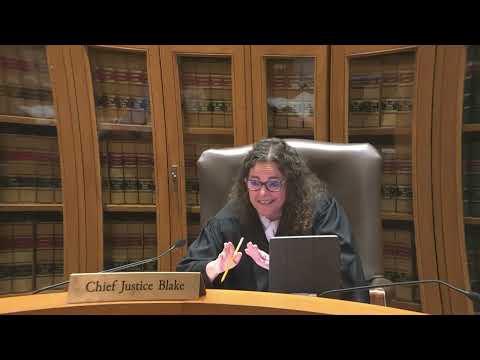
Appeals Court hears dispute over standing, due process in Page v. Massachusetts DEP dock license
Summary
At oral argument before the Massachusetts Appeals Court, attorneys for Malcolm Page and Jill Stickler Page urged that an OADR post‑prehearing order prevented them from presenting evidence on standing after they filed prefiled testimony; DEP and intervenors countered that the pages had written notice and the department followed normal adjudicatory procedures.
At oral argument before the Massachusetts Appeals Court, attorneys for Malcolm Page and Jill Stickler Page urged that the pages were denied due process because the Office of Appeals and Dispute Resolution (OADR) post‑prehearing order limited the issues the parties could address and, after the pages submitted prefiled testimony, the Massachusetts Department of Environmental Protection (DEP) filed a motion to dismiss for lack of standing.
Jonathan Silverstein, counsel for the appellants, told the panel the pages “were never given the opportunity to present evidence” on standing and that their inability to submit additional evidence after the OADR order was “fundamentally unfair.” He argued the pages had alleged a cognizable injury from a proposed dock placed “1 foot from your property line,” saying, “When you have speedboats zooming up to a dock 1 foot from your property line and your children or invitees are swimming next to your property and have to jump out of the way, I would say that that is a cognizable injury.” Silverstein also noted the pages submitted expert testimony and Mr. Page’s testimony addressing safety and location concerns.
Counsel for intervenors and substituted respondents, Dave McKay, told the court the pages had written notice that standing could be an issue and that the underlying administrative and case law required them to establish it. McKay said the proceeding “has been pending in one form or another for almost 5 years” and pointed to a draft license cover letter from DEP and a scheduling order that mentioned standing. He argued the record showed the pages had alternate access to the water — including an existing dock about 130 feet away — and that the prefiled testimony did not establish the kind of safety problem the pages described.
Assistant Attorney General John Hipp, representing DEP, told the panel the department followed its usual adjudicatory procedures by raising standing through a motion to dismiss and an order to show cause and that the pages were given notice and an opportunity to brief the issue. “They are on clear notice,” Hipp said, summarizing the department’s position that the process met due process requirements and that the transcript and record reflect extensive briefing on standing.
The justices questioned counsel about several legal and factual points: whether the pages had present plans to use the water immediately adjacent to their lot or only speculative future plans; whether the Waterways Act (Chapter 91) or related case law gives abutters special standing; the significance of the OADR orders dated Sept. 22, 2021 (identifying two substantive issues to be briefed) and an Aug. 19, 2021 scheduling order that included a footnote referencing potential dismissal for lack of standing; and the scope of regulation 310 CMR 1.0111(e) cited by DEP counsel as permitting later‑raised issues in administrative proceedings. Counsel and the panel also discussed differing legal standards for standing (the panel referenced 40A §17 in comparison) and whether the pages were deprived of cross‑examination or the ability to submit evidence after DEP’s motion.
The court took the arguments under advisement and paused for a short recess. The panel indicated it will take the remainder of the argument on the parties’ briefs and issue a decision at a later date.
Ending: The court announced the matter was under advisement and recessed for about 10 minutes before proceeding to the next case on the calendar.