Appeals court considers termination of parental rights and requests for post-adoption contact in multi-party appeal
Loading...
Summary
The panel heard competing arguments over whether the trial court erred in finding both parents unfit, terminating parental rights, and denying post-adoption or post-termination visitation—issues that raised questions about credibility, judicial demeanor, admissible evidence, and the children's best interests.
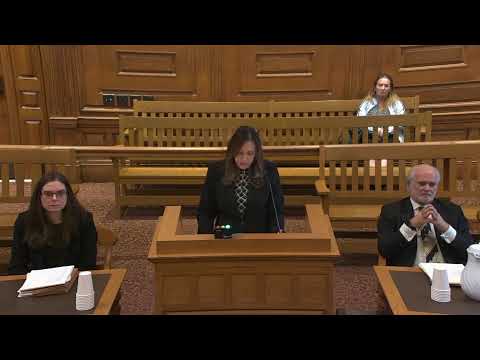
The Appeals Court took oral argument Oct. 15 in a complex, multi-party adoption and termination appeal (No. 24P1056) that raises questions about parental fitness, the trial judge's demeanor and questioning, the admissibility and weight of hearsay and agency reports, and whether post-adoptive contact would serve a child's best interest.
Counsel for Father 2 (Warren Yanoff) asked the court to remand for further findings on whether post-adoption visits would be in the child's best interest and argued the trial court made no express findings on whether ongoing contact would benefit the child emotionally. "The case law is really very silent on the issue," Yanoff told the panel, and he said the court should consider psychological evidence that maintaining some relationship with a biological parent can support a child's identity development.
Father 1 (pro se, Melvin Punch) orally contested the trial court's finding of unfitness and argued his testimony was discredited unfairly. In his remarks to the panel he stated, "I am fit, competent, and ready, willing, and able to raise my son," and criticized reliance on third-party police reports and DCF narratives.
Counsel for the mother argued the trial judge's comments and tone were prejudicial and urged the Appeals Court to consider whether the trial court's demeanor infected the proceedings; counsel cited cases recognizing that judicial remarks may, in exceptional circumstances, justify appellate review for structural or other fundamental error.
The Department of Children and Families (Claire Gilchrist) defended the trial judge's findings, saying the record supported determinations the parents were unfit by clear and convincing evidence given long histories of untreated substance misuse, domestic violence, and unstable housing. Gilchrist urged that the judge asked clarifying questions and that the record contained corroborating evidence (police reports, provider statements, and documentary records) that supported the judge's credibility findings.
Children's counsel (Sandra Ferigno) urged affirmance, pointing to evidence that the children had lived with the same pre-adoptive family for years, that the younger child had little meaningful contact with Father 2, and that the trial judge found the children's bond with the pre-adoptive family outweighed any benefit of imposing post-adoption visitation.
Why it matters: termination of parental rights and the decision whether to free children for adoption are rare and constitutionally significant; the panel's treatment of credibility, admissible hearsay, perceived judicial bias, and the standard for post-adoption contact will shape future care-and-protection litigation.
The court took the matter under advisement.