Get Full Government Meeting Transcripts, Videos, & Alerts Forever!
Get email alerts on the Sewer Disposal Regulations topic
No spam. Unsubscribe anytime.
Sewer Disposal working group forms three subcommittees to review DPH draft regulations
Summary
The Sewer Disposal Working Group organized three subcommittees to review draft regulations from the Connecticut Department of Public Health, set a compressed timeline for fact‑finding and a goal of a consensus report, and asked members to select subcommittees within 48 hours.
The Sewer Disposal Working Group convened and established three subcommittees — Nitrogen & Environment; Regulations & Legal; and Process & Funding — to review draft regulations issued by the Connecticut Department of Public Health and produce recommendations for legislative leaders.
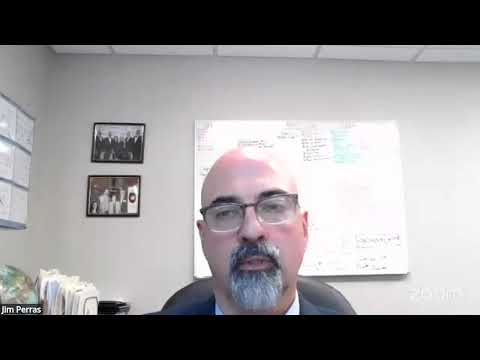
Chairs and members said the review will aim to balance housing affordability with health and safety. "We're here to do important work to review the draft regulations ... by the Department of Public Health," Convenor Jim Paris said, adding the group should seek a report grounded in consensus.
The working group named David Potts as chair of the Nitrogen & Environment subcommittee, with Paris serving in a supporting subcommittee role; Tom Stansfield and Robert Smith as co‑chairs of Regulations & Legal with Sonia Brickworth joining to help facilitate; and Matt Gilchrist and John Koskowski as co‑chairs of Process & Funding.
The group outlined a three‑phase timeline: an immediate fact‑finding period through November; synthesis of findings in December; and a draft report for circulation to the full working group by January. Paris said the chairs expect subcommittees to prioritize work given the short schedule and to identify key stakeholders and experts to present to subcommittees.
Members were asked to email the working group chairs within 48 hours with ranked preferences (1 through 3) for which subcommittees they wish to join. Representative Kristen McCarthy Veil, co‑chair of the Public Health Committee, thanked the new subcommittee chairs and reiterated coordination expectations with legislative staff.
The chairs and staff emphasized public access and administrative rules: subcommittees are open to participation from people who are not appointed to the full working group, provided they coordinate with subcommittee leaders; and Department of Public Health staff advised that virtual meetings generally require 48 hours' notice for posting. A DPH staff member said, "the easiest way to think about it is 48 hours in advance" for virtual meeting notices.
The working group will meet biweekly; Paris said the goal is for each subcommittee to hold an initial meeting before the next full working group meeting, scheduled in two weeks, and to provide updates at each biweekly full meeting. The chairs said they will compile a workflow document and expect subcommittees to send updates to the working group chairs for presentation at full meetings.
The meeting concluded without formal votes or motions. Participants were given logistical instructions to coordinate scheduling and public notice with Public Health Committee staff (Peter and Beverly) to ensure proper posting and recording.
Next steps: subcommittee chairs will reach out to members once preferences are received, and the working group will aim for a draft report in January that, if possible, reflects consensus; dissenting opinions may be recorded if they arise.