Get Full Government Meeting Transcripts, Videos, & Alerts Forever!
Get email alerts on the Community Cleanup topic
No spam. Unsubscribe anytime.
Matanuska-Susitna Borough credits volunteers, partners for large Willow Wall neighborhood cleanup
Summary
Borough staff told the Assembly that a multi‑agency, volunteer-led effort cleared hundreds of tons of debris from the Willow Wall neighborhood in early September; volunteers, the Church of Jesus Christ of Latter-day Saints, and local businesses provided most labor and in-kind support. Borough staff outlined follow-up steps to address underlying bl
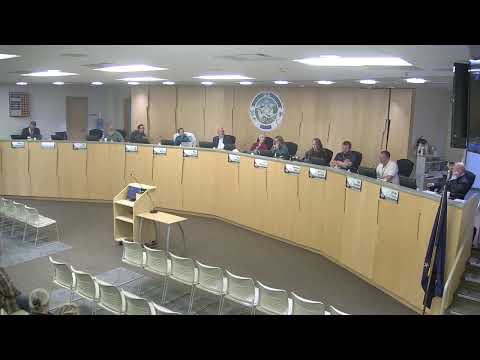
The Matanuska‑Susitna Borough on Oct. 7 reported the results of a large volunteer cleanup in the Willow Wall neighborhood, saying borough staff, more than 200 volunteers and several local businesses removed hundreds of tons of trash and dozens of derelict vehicles over a multiday effort.
“We wanted to provide you an update and kind of an after‑bridal on what happened, what was accomplished,” Manager Mike Brown told the Assembly before turning the presentation over to borough planning staff. Brown said the Church of Jesus Christ of Latter‑day Saints provided “well over 200 volunteers” and that without that volunteer force the scale of the work would not have been possible.
Deputy Director Jason Ortiz and Development Services Manager Wade Long described the operation’s logistics and numbers. Long said borough teams and volunteers visited 427 of about 452 parcels in the project area, and that 67 property owners declined help while borough staff were unable to make contact with about 175 parcels. Long reported the effort removed about “242 tons in 3 days,” and said volunteers and contractor support produced 62 40‑yard dumpsters and removed dozens of vehicles. He also reported hazardous materials and battery collections and noted the borough’s bill for the cleanup was about $65,000–$66,000.
Ortiz credited borough legal staff and an internal GIS workflow for speeding property releases and volunteer sign‑ups. “We pulled off logistics like no other,” Ortiz said, describing a quick turn from concept to fieldwork and an app the borough used to track property permissions and work progress.
Staff said a wide mix of partners kept costs down and handled specialized tasks: Alaska Waste donated service at cost, Mat‑Su Water provided drinking water for volunteers, Debach Salvage and Towing discounted vehicle removals (decreasing borough charges for vehicle disposal), and local businesses provided staging areas, food discounts or cash donations. The borough highlighted the FISH neighborhood group for organizing community outreach and a barbecue that helped rally residents.
Several Assembly members who visited the cleanup praised the volunteers and said the event could serve as a model. Ortiz and Long told the Assembly the work was not intended to be a one‑time sweep. Long said staff will pursue follow‑up steps with partner nonprofits and law enforcement to address substance‑use and crime concerns identified in parts of the neighborhood, and legal staff will review longer‑term options for problem properties.
Mayor and assembly members presented a token of appreciation to church volunteers at the meeting.
Staff said they intend to evaluate lasting change and return to the neighborhood in a year or two to measure whether blight and criminal activity have declined following the cleanup.