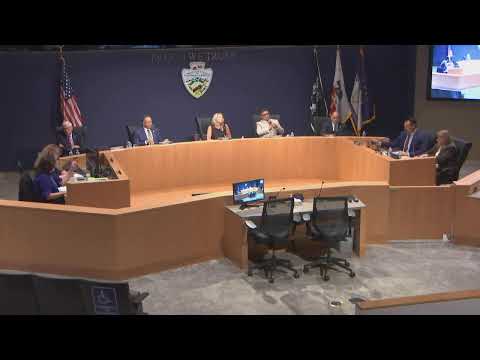
Family members and advocates urge county to do more on homelessness and mental health
Loading...
Summary
During public comment, relatives and advocates told the Board of Supervisors that gaps in mental health and homelessness services contributed to deaths and repeated arrests; speakers cited delays in court and evaluation processes and urged the county to improve implementation of treatment and care programs.
Several family members and community advocates used the board’s public-comment period to urge San Bernardino County to address gaps in homelessness and mental health services, saying delays and narrow program eligibility contributed to repeat arrests, untreated illness and a fatality.
Joanne Jenness, who identified herself as the mother of Cody Genis, told the board her 30-year-old son was killed by a hit-and-run driver on Oct. 4 in the city of Chino. She said he had been homeless and struggling with substance use and mental-health issues for years and that, despite numerous interactions with outreach teams and repeated arrests, he had not been connected to sustained treatment. "I have been trying to get him off the streets," she said. Jenness told the board her son had been arrested about 32 times and that the mental-health court process and evaluations took months: she said an initial evaluation returned only seven sentences and that the court ordered a further LPS evaluation after that ruling.
Joanne Jenness said county programs and the court process moved slowly and that she believed the delays and eligibility requirements contributed to the lack of effective treatment before her son’s death. "Too many months. Too many arrests. I'm not here to point fingers, but to say as a county and state, we have to do better," she said.
Robert Goodwin, a public commenter, referenced recent state legislation expanding eligibility for assisted treatment courts (Care Court) and quoted then-governor remarks about stepping up to connect people to treatment: "California doesn't sit on the sidelines while people fall through the cracks," he said, but he also warned counties face implementation challenges and questioned whether local services are reaching people who need them.
Another commenter described inconsistent outcomes in the county’s child and family services system and urged closer review of standards and practices; the speaker alleged disparate treatment in some cases and urged the county to examine policies.
Board members offered condolences to family members who spoke. The public comment underscored frustrations among advocates and relatives about timely access to mental health evaluations, the scope and implementation of treatment-court programs, and the county’s ability to connect people who are homeless and struggling with substance use to long-term care.
What happens next: the comments were part of the public record; board members acknowledged speakers and expressed condolences. Speakers urged the board and county staff to examine program implementation and barriers to care; no formal board action was recorded in the meeting minutes during public comment.