Get Full Government Meeting Transcripts, Videos, & Alerts Forever!
Get email alerts on the Graduation Standards topic
No spam. Unsubscribe anytime.
Board discusses grading threshold and core diploma during first reading of graduation policy
Summary
During the first reading of policy 505.05 the board debated whether the district should require a higher minimum grade than the state-standard D‑/60% for graduation credits and discussed differences between the core diploma and traditional diploma, trimester vs. semester structure, and next steps for superintendent research.
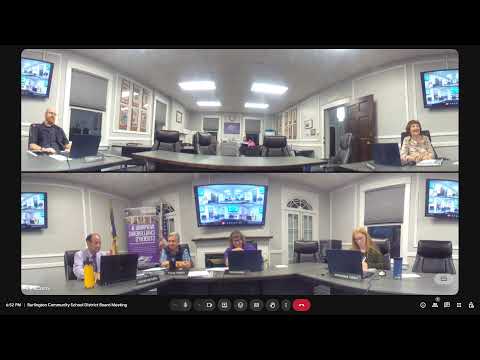
The Burlington Community School District board discussed graduation requirements and grading thresholds during a first reading of board policy 505.05 at the Oct. 6 meeting, focusing on whether the district should require a higher minimum grade than the commonly used D‑/60% standard and on differences between the state’s core diploma and the district’s traditional diploma.
Why it matters
Board members said the conversation matters because graduation requirements determine the minimum academic preparation students must meet before earning a diploma and because the district is considering changes to scheduling (trimester vs. semester) that affect continuity of courses such as math.
What was discussed
- Policy change presented: The policy committee proposed a textual change to 505.05 to add the word “semester” in addition to “trimester” so the policy would apply under either schedule. The board approved the first reading as presented.
- Grading threshold debate: One board member expressed concern that allowing a D‑ (the district noted 60% as a commonly used standard) as a passing grade for core diploma courses risks students moving forward without mastery of fundamental skills (multiplication, reading comprehension, basic financial literacy). That member urged higher expectations for students pursuing the core diploma.
- District and state roles: District staff replied that a D‑/60% is a common standard across the state and nation, and that the board can direct the superintendent to research and propose a more rigorous local grading threshold if the board desires. Staff emphasized that the core diploma meets the state’s minimum credit requirements and does not lower the standards inside core content courses: “The class itself. Earning credits in the course. The question is how many credits are required,” staff said in response.
- Scheduling concerns: Board members raised concerns about gaps students can experience under a trimester schedule (for example, finishing a math sequence in February and not taking math again until the following November). Staff said the policy change gives flexibility to use semester scheduling if the district decides it better supports instructional continuity.
Next steps
Staff told the board the district could research grading-threshold options and compare peer districts; the board has the authority to request a superintendent report with options for a more rigorous grading scale. Curriculum staff also described ongoing K–12 collaborative work intended to support smoother transitions between grade levels and to reduce gaps in instruction.
Attribution
The first reading was presented by Lacey Johnson, who said the change adds clarity to the district’s graduation policy to accommodate either trimester or semester schedules. Board members and district staff participated in the subsequent debate; multiple speakers urged further study rather than immediate policy change.
Implementation note
The policy passed first reading; any substantive change to grading thresholds would require a board directive to the superintendent and follow-up reporting to the board.