Get Full Government Meeting Transcripts, Videos, & Alerts Forever!
Get email alerts on the Public Testimony Child Welfare Reform topic
No spam. Unsubscribe anytime.
Survivors, kinship caregivers and advocates urge implementation of reforms, cite trauma and poverty as drivers of removals
Summary
More than a dozen public commenters described personal and generational harm from child removals, called for implementation of the 2022 "poverty is not neglect" recommendations, and urged expanded prevention cash and housing supports; service providers also described human trafficking intersections and placement shortages for older youth.
A long public‑comment period at the committee hearing featured testimony from people with lived experience — kinship caregivers, people who had been in foster care, advocates, and service providers — who described trauma, alleged errors and bias by caseworkers, and specific proposals for reform.
Personal accounts of harm: Multiple speakers described long, ongoing harms from child removals. Orlethea Hamilton Waring described allegations that led to years of family disruption before her husband was cleared; Kaseira Brown (who also uses Kaseira King) recounted physical abuse she said she suffered in a foster home and subsequent homelessness; Raven Jacobs and other kinship caregivers described families being separated and ongoing barriers to reunification. Several speakers asked for clearer information about rights at the outset of investigations and better supports for families early in the process.
Calls to implement poverty‑related recommendations: Community advocates urged the council and city to implement recommendations from the 2022 special committee report, especially the "poverty is not neglect" directive that conditions remedied by concrete aid should not be treated as neglect. Advocates and some council members connected unconditional cash approaches (so‑called "Joy Bank" models) and other direct financial supports to reduced removals; testimony cited evidence from the pandemic-era expanded child tax credit, which advocates said correlated with reductions in child poverty and child‑welfare reporting.
Human trafficking and placement shortages: Heather LaRocca of the Salvation Army’s New Day to Stop Trafficking program described the local trafficking crisis and the overlap with child‑welfare involvement. LaRocca said her program served about 1,300 survivors last year and that Rap Court (a trauma‑informed court program) had 16 youth enrolled last year. She and others said placement options for trafficked youth are limited and that group‑home capacity and resource‑family reluctance to take complex older youth have aggravated placement shortages.
Kinship care and administrative problems: Several kinship caregivers described difficulty obtaining benefits and documentation for children in their care, contested safety‑plan practices, and cases in which they said DHS workers made inaccurate or misleading statements that led to removals. Witnesses asked for clearer rules around safety plans and for better notice to relatives who can provide stable homes.
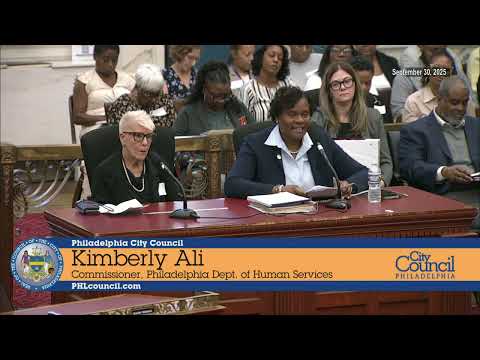
Aging‑out and transition services: Commenters and DHS testimony both addressed older youth services. DHS presented data showing a drop in the number of youth aging out (310 in 2020–21 vs. 178 in 2024–25) and described supports including the Achieving Independence Center and rental assistance for youth up to age 23; public commenters argued more sustained support is needed.
What advocates asked council to do: Common demands included adopting "poverty is not neglect" protections, increasing easily accessible emergency cash and housing supports, publishing clearer guidance about family rights in investigations, expanding front‑door prevention and clinical capacity, and investing in placements and services tailored to trafficking‑impacted youth and older adolescents.
Committee response: Councilmembers thanked witnesses and said they would pursue follow‑up questions and data. Multiple members emphasized interest in stronger prevention supports, clearer safety‑plan rules and improving outcomes for youth aging out of care.