Get Full Government Meeting Transcripts, Videos, & Alerts Forever!
Get email alerts on the Building Codes Storm Shelters topic
No spam. Unsubscribe anytime.
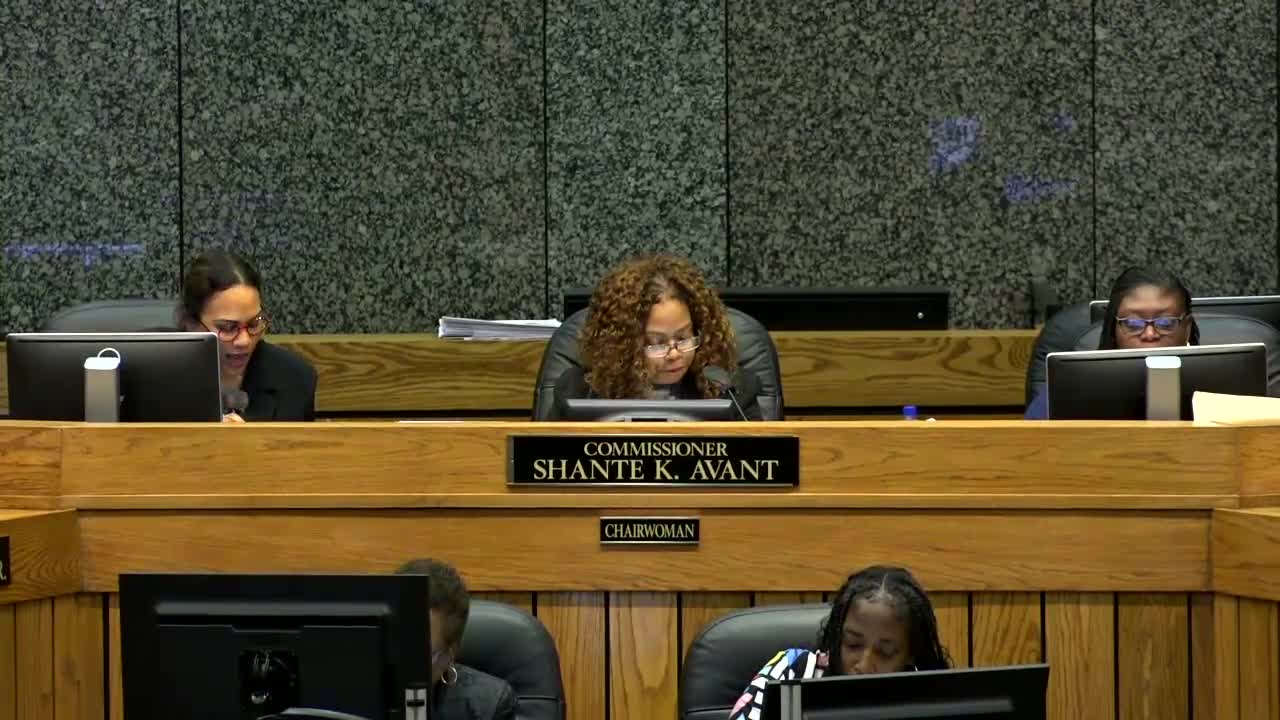
Shelby County commissioners advance first readings to make school storm shelters optional in unincorporated areas
Summary
On a pair of first readings, the Shelby County Board of Commissioners moved to amend the 2021 Memphis and Shelby County building codes to make storm shelters for K–12 educational buildings optional in the county’s jurisdiction outside Memphis. Commissioners flagged student safety and jurisdictional limits during debate.
The Shelby County Board of Commissioners voted on first readings to amend the 2021 Memphis and Shelby County building codes to change storm shelter requirements for educational buildings from mandatory to optional for the county’s jurisdiction outside the City of Memphis.
The proposed changes appeared twice on the agenda—once for new construction and once for existing buildings—and passed their first readings after debate. The measures apply to unincorporated Shelby County and to most municipalities within the county’s enforcement area; the commission clarified during discussion that the measure does not apply within the City of Memphis and excludes Bartlett and Collierville from county enforcement.
Why it matters: The amendments would reduce a construction requirement that, until the 2015/2021 code adoption cycle, had been required for K–12 buildings. Proponents say the change adapts local rules to recent state code changes and gives local governments flexibility; opponents warned optional language could lower protections for children and urged further study of safety implications.
Discussion and what commissioners said Rita Anderson, identified as the building official for the Department of Construction Enforcement, summarized the administrative history: “The storm shelter was initially adopted in the 2015 code… The state of Tennessee in April adopted the 2021 code, and they amended out of the requirement for the storm shelters.” Anderson said Memphis had issued a moratorium on the local requirement and the city’s building advisory board had been asked to evaluate next steps.
Commissioner Edmond Ford Jr. pressed for safety assurances. “I hope the essence of this ordinance is not to cut corners and to find savings on the backs of children's safety,” Ford said. He said he could not support the measure without more information on student safety and the financial trade-offs.
Commissioner Michael Whaley sought and received clarification on where the ordinance would apply. The record shows the county’s jurisdiction for the ordinance is the unincorporated county and most municipalities except Memphis, Bartlett and Collierville; City of Memphis decisions remain separate.
Votes and next steps The first-reading ordinances were moved by Commissioner Erica Sugarman and seconded by Commissioner Morrison. Item 16 (new-construction building code amendment) passed first reading with seven aye votes, one no and two abstentions; it will proceed to a second reading. Item 17 (existing-building code amendment) likewise passed its first reading and will also proceed to a second reading. The official roll calls recorded commissioners Whaley, Clay Bibbs, Wright, Thornton, Morrison, Lowry and Chairwoman Avant voting aye on one of the measures; Commissioner Ford voted no on that reading; Commissioners Sugarman and Mills abstained.
What was not decided These votes were first readings only. The commission did not adopt final language, and members asked for more detail on the safety implications and on the fiscal impacts for small and large schools. Administration officials noted the state code change removes the mandate at state level, but how local jurisdictions proceed still varies.