Get Full Government Meeting Transcripts, Videos, & Alerts Forever!
Get email alerts on the Housing topic
No spam. Unsubscribe anytime.
Dare County approves $200,000 per year to launch independent housing nonprofit
Summary
The Board approved two years of startup funding and county appointments to a newly formed nonprofit, the Dare Housing Foundation, to pursue small-scale workforce housing projects and grants.
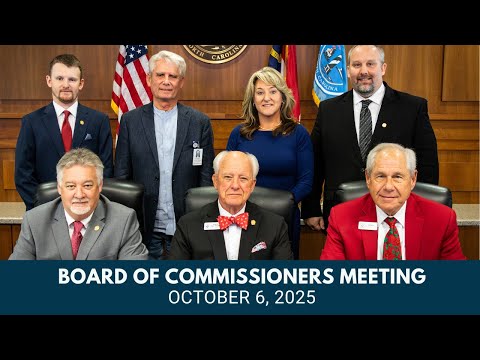
The Dare County Board of Commissioners on Oct. 2025 approved startup funding and county representation for a new nonprofit, the Dare Housing Foundation, that will pursue workforce and essential-housing projects. The board voted 6-1 to provide $200,000 a year for two years, authorize office space and meeting-room use, and appoint the county manager and Commissioner Mary Ann Balins (Hatteras Island representative) as county representatives to the foundation’s board.
The approval follows a multi-month effort by the Dare Community Housing Task Force to organize a nonprofit vehicle to apply for grants, secure financing and carry projects. Donna Creeff, government affairs director for the Outer Banks Association of Realtors and chair of the task force, told the board the nonprofit will be a 501(c)(3) with a 13-member board combining public and private representatives and will pursue concept plans for county-owned sites and federal lands. She said the task force has secured legal help and about $10,000 in technical assistance through the UNC School of Government “Our State, Our Homes” program to form the nonprofit and pay startup legal fees.
The nut graf: Task force members argued a separate nonprofit is needed because it can apply for grants, accept donations and pursue financing that county government cannot, and because nonprofit-led programs in other North Carolina counties have been the most successful in producing enduring workforce housing.
Board members pressed for local buy-in from towns and county partners. Commissioner Bob Ross and others said municipal participation and “skin in the game” would be essential, and the board discussed seeking matching contributions from the six incorporated towns. Task force members said several towns had already selected representatives and others are scheduled to do so.
Details: The approved initial budget items include professional services (legal, accounting), outreach and concept-plan work; staffing was included in the foundation’s illustrative budget but task force leaders said the board of directors will determine the timing of paid staff after the nonprofit is established and fundraising begins. The board asked for quarterly reporting and an agreement setting the terms for use of county funds. The foundation will also pursue developing housing on ranked county-owned sites, possible federal land transfers for housing, and targeted projects for teachers and local government employees tied to existing state legislation dating to 2004 that authorizes teacher and local government employee housing projects.
What’s next: The task force expects to file paperwork for the nonprofit’s incorporation and tax-exempt status, to complete concept plans for prioritized county parcels and to request town contributions. Commissioners said they want the towns contacted formally and asked to participate financially.
Ending: Commissioners framed the vote as an attempt to move from study to action; several members said the nonprofit structure and the startup funding were modest steps meant to unlock larger grant and philanthropic dollars rather than to fund large-scale construction directly.