
District reviews fall iReady diagnostics, retention survey and literacy supports; yearbook refunds and hiring gaps noted
Get AI-powered insights, summaries, and transcripts
Subscribe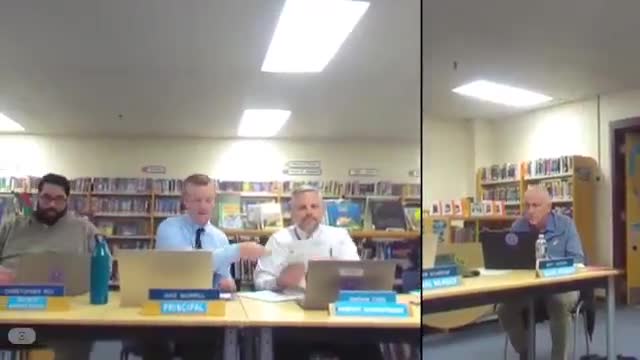
Summary
Administrators reported fall iReady diagnostic results and explained the green/yellow/red readiness designations. The board also heard results from a new "stay" survey (64% response districtwide, 73% among instructional staff), discussed Lexia and other literacy tools, and learned the district is refunding last year's undelivered yearbooks.
Henniker school administrators on Oct. 1 reported results from the district's fall iReady diagnostic and discussed staff retention data, literacy supports and personnel needs.
Jake (school staff/administrator) told the board that all students completed the fall iReady diagnostic. The district's reports use a green/yellow/red readiness scheme: green indicates students are at or up to one year below grade level or are within the current grade-level band; yellow indicates placement about two grade levels below; and red indicates placement three or more grade levels below. Jake said the fall diagnostic will be used as an instructional benchmark while teachers make groupings and plan interventions.
District staff also discussed Lexia, which Jake said has been in use for approximately 13 months and is being applied to support phonics and early-grade literacy work. Administrators said classroom and program-level choices about ongoing use of Lexia will be made as students show need over time and as cohorts outgrow the need for that specific intervention.
Matt (district staff) described federal- and state-level accountability measures under ESSA and New Hampshire's revised plan. He said the state calculates achievement, growth and equity indicators from summative assessments; the district's current state SAS numbers show acceptable achievement but indicate growth measures that the district will continue to monitor. Matt said growth measures require multiple years of data and that the district's new reading program and interventions should influence future results.
On workforce data, the board heard results of a district "stay" survey that closed Oct. 1. The district received responses from about 64% of all employees and 73% of instructional staff. Administrators also reported that five instructional staff left at the end of the last school year; reasons identified via exit surveys included compensation, benefits, adverse working conditions and family/health reasons. Growth and retention work will continue, and the district plans follow-up data dives.
Personnel matters discussed included the absence of yearbooks from last year's order; administrators said families who paid for the missing yearbooks are being refunded by the yearbook company, not by the district. The board was also told a math-interventionist position was posted but has not yet attracted applicants; administrators said they will continue recruiting and looking for alternative ways to meet identified student needs.
Why it matters: diagnostic and state assessment data guide instruction, program choices and long-term curriculum decisions; the retention and exit-survey information affect hiring and staffing strategies heading into contract negotiations and budget planning.
Administrators told the board they will provide further data after the state releases the full disaggregated results and will return with a cohort-level longitudinal analysis in November.