Get Full Government Meeting Transcripts, Videos, & Alerts Forever!
Nevada Housing Coalition outlines legislative wins, remaining gaps affecting seniors in Las Vegas
Summary
Maurice Page of the Nevada Housing Coalition told the Senior Citizens Advisory Board on Oct. 2 that the state made progress on supportive housing and attainable housing funding but remains far short of needed units; he highlighted funding changes, eviction-diversion limits, and the role of federal land and water constraints.
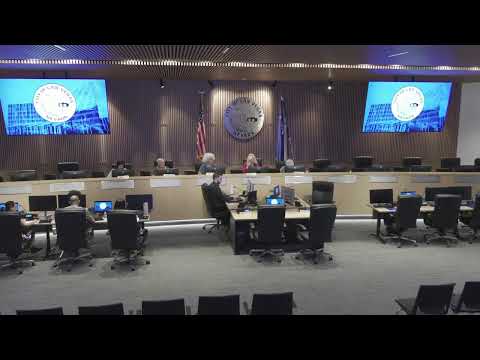
Maurice Page, executive director of the Nevada Housing Coalition, told the City of Las Vegas Senior Citizens Advisory Board on Oct. 2 that Nevada has made some legislative progress on housing this year but remains far short of the supply needed to meet demand for low-income and senior households.
Page summarized 2025 legislative outcomes and statewide housing data and said the state still faces a large shortage of affordable rental units and limits on revenue that constrain further work. “If you give us the money, we’re able to get it out the door,” Page said, describing how past ARPA and state allocations translated into new units and services.
The presentation matters to seniors because Page reported that many retirees live on Social Security or SSDI incomes below $28,000 and are “severe cost burden” victims of current rents and home prices. He also described state funding changes that will affect services and development targeted at seniors and extremely low-income renters.
Page said Nevada is short about 77,928 rental homes statewide and that Southern Nevada accounts for roughly 66,000–67,000 of that shortage. He presented federal- and state-level funding numbers: the 2021 ARPA allocation of $500,000,000 helped increase the state’s affordable housing inventory from about 29,000 units in 2023 to roughly 34,952 units; however, Page said that increase—about 6,000 units—remains far below need. He said the statewide average annual…
Already have an account? Log in
Subscribe to keep reading
Unlock the rest of this article — and every article on Citizen Portal.
- Unlimited articles
- AI-powered breakdowns of topics, speakers, decisions, and budgets
- Instant alerts when your location has a new meeting
- Follow topics and more locations
- 1,000 AI Insights / month, plus AI Chat