Get Full Government Meeting Transcripts, Videos, & Alerts Forever!
Get email alerts on the Internal Audit Procurement topic
No spam. Unsubscribe anytime.
Internal audit flags procurement and cash‑handling gaps; county finance outlines reforms for 2026
Summary
An internal audit presented to the Dunn County Fair Board found partial compliance with procurement rules and weaknesses in cash handling, documentation and reconciliation; county finance proposed a centralized procurement workflow, dual verification for cash, and a special revenue account for youth MAP funds.
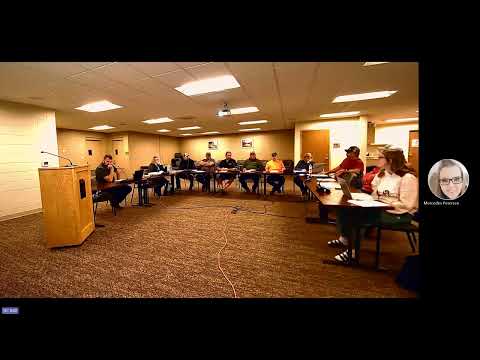
Mercedes (last name not provided), appearing for the Dunn County treasurer’s office, presented an internal audit of fair financial practices and recommended several changes to procurement, cash handling and contract documentation.
The audit’s findings
Mercedes told the board the audit focused on purchasing, vendor contracting, cash collection, reconciliation and oversight. The report concluded the fair was in “partial compliance” with county policy and identified several opportunities to reduce risk and improve transparency.
Key findings included:
- Procurement documentation gaps: The audit found instances where purchases or contracts lacked written quotes or a documented solicitation process; some agreements were verbal and supporting documentation was missing. - Potential conflicts of interest: The audit noted situations where an elected official or board member had familial or close relationships with vendors; the report recommended clearer rules and documentation when those relationships exist. - Cash‑handling weaknesses: Delayed bank deposits, missing ticket logs and limited segregation of duties increased risk. The audit found one bank account used for MAP funds that was not on county records and not managed through the treasurer’s office. - Contract weaknesses: Several vendor agreements lacked consistent standardized language and insurance/liability protections; corporation counsel review was recommended for standardized templates.
Recommendations and planned reforms
Mercedes and finance staff outlined a multi‑step plan to strengthen controls before the 2026 fair season.
Major proposals include:
- Centralized procurement workflow: A “seamless doc” online form that routes purchase requests through a centralized county purchasing function. The form would capture quotes, sole‑source justifications, conflict‑of‑interest checks and an audit trail. - Corporation Counsel review: Work with county legal counsel to review existing vendor templates and draft a standard contract to reduce liability and clarify insurance and payment terms. - Cash controls and reconciliation: Implement daily cash logs with dual verification, enforce timely deposits (current policy requires deposits within 24 hours or next business day), and restrict access to cash storage; consider digital ticketing, wristbands or barcodes to reduce cash handling at gates. - Special revenue account for MAP funds: Close an out‑of‑bank Wisconsin account and move roughly $6,349.32 into a new special revenue account earmarked for MAP/youth funds, with the remainder of that bank balance (about $13,391.68 as of July 31) transferred to the fair budget to offset current operating shortfalls. Mercedes cautioned the July 31 figures are subject to change as later transactions post.
Why it matters: Mercedes said the reforms would reduce fraud and reputational risk, ensure compliance with county policy (identified as “chapter 7” in the presentation), and make it easier to show due diligence if records are requested by auditors or the public.
Ticketing, donations and cashless options discussed
Mercedes and other staff discussed moving toward digital ticketing and pre‑sales and noted convenience fees tied to the county’s vendor (3% on cards, minimum $1.95 for e‑checks). Board members and staff said small‑ticket items (for example, $5 gate fees) make the percentage fee less attractive unless customers buy multiple tickets in a single transaction. Mercedes suggested working with local banks or businesses to sell pre‑paid tickets if the board pursues card or barcode systems.
Next steps and board direction
Finance staff will draft the procurement routing form, coordinate with IT and corporation counsel, and present a near‑final process to the board well in advance of procurement season. Mercedes said staff will also schedule training for volunteers and staff on new cash logs and ticketing controls.
Ending
Board members asked for copies of the audit and Mercedes said staff will circulate the internal‑audit report and a draft of the procurement form for review. The board set upcoming committee meetings to continue work on contracts, vendor outreach and band and vendor scheduling.