Get Full Government Meeting Transcripts, Videos, & Alerts Forever!
Get email alerts on the Race Scheduling topic
No spam. Unsubscribe anytime.
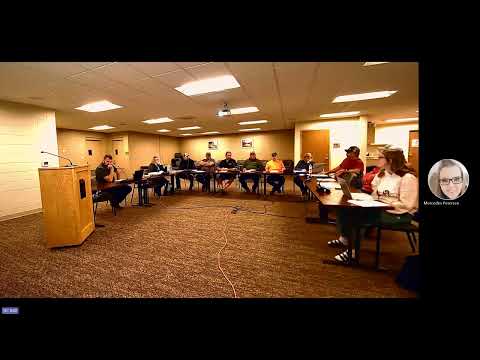
Raceway pitches Friday–Saturday racing, touring series to boost fair attendance
Summary
Raceway representatives told the Dunn County Fair Board they can bring touring late‑model and sprint‑car series to the fair weekend and help with track prep; they proposed Friday–Saturday race dates with demo derby on Sunday and estimated higher attendance and potential gate and purse discussions.
Johnny Johnson, representing the local racing association, told the Dunn County Fair Board the track would prefer racing on Friday and Saturday rather than Thursday, and that several touring series expressed interest in appearing at the fair if scheduling and purses align.
Johnson said the Dirt Kings late‑model tour had indicated willingness to add the Dunn County Fair to its schedule; if booked, the fair could host 30 to 40 late models and “usually expect at least 500 to 1,000 more people,” he told the board. Johnson also noted the higher-profile sprint‑car show held previously drew roughly 4,000 spectators.
Why it matters: Board members are weighing changes to fair‑week scheduling and costs. Raceway organizers propose moving racing off Thursday to boost attendance and help shoulder preparation work; the change was cited as a way to reduce county labor and prep expenses while increasing gate receipts.
Key logistics discussed
- Dates and start times: Johnson said Fridays would likely start at 7 p.m.; Saturday shows could start as early as 5 or 6 p.m. to allow for bands or other post‑race entertainment. - Touring series and payouts: Johnson reported that touring series bring higher purses (he cited an example of $3,000 to win in a recent touring event) and attract additional cars and spectators; higher purses often require initial guaranteed amounts from promoters or local sponsors. - Track prep and equipment: Johnson outlined that the racing association supplies tractors, skid steers and graders and usually handles track prep. The association said it could take on prep work in exchange for scheduling control, reducing fair staff hours and associated costs. - Noise and sound monitoring: Johnson said the association takes weekly decibel measurements and consulted a specialist who provided a written report and mitigation ideas. The board noted ongoing sound concerns but heard the association had engaged a specialist.
Financial and operational considerations
Johnson said switching to a Friday–Saturday schedule could save the fair roughly $4,000 to $4,500 in track‑preparation labor that the fair now pays for; he also proposed discussions about sharing gate revenue or adding sponsor dollars to the purse to attract touring cars. Board members discussed potential gate‑fee splits, parking charges and whether the fair would contribute to purses to secure higher‑profile touring acts.
Related decisions
The fair board separately voted to discontinue the Saturday tractor pull and turn that responsibility over to the raceway; Johnson indicated the raceway would work with the board to plan new Friday–Saturday events and would report back with concrete payouts and scheduling proposals.
Ending
Johnson said he would keep the board updated as tour organizers return detailed parameters, purses and payout structures; the board asked staff to coordinate with the raceway and to report back at a subsequent meeting.