Get Full Government Meeting Transcripts, Videos, & Alerts Forever!
Get email alerts on the Roads And Bridges Budget topic
No spam. Unsubscribe anytime.
Custer County outlines road-and-bridge budget shortfall, prioritizes graders, water trucks and chip seal work
Summary
At a county commissioners workshop, officials reviewed projected 2026 revenue and department requests for Road & Bridge, identified roughly $200,000 in projection differences and discussed prioritizing equipment purchases and surface treatments while holding open options to shift funds or seek grants.
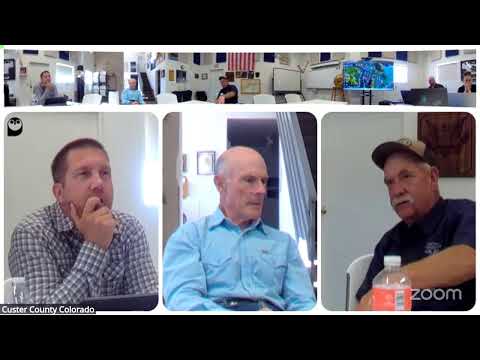
The Custer County Board of Commissioners examined the Road & Bridge department's 2026 budget projections at a workshop, highlighting a roughly $200,000 discrepancy between revenue and proposed spending and discussing whether to prioritize equipment purchases, fuel and road surfacing work.
The county commission chairman opened the workshop saying, “This is a workshop. I've got budgets, and where we are in the process of finalizing the '26 budget,” and noted the figures are projections. Commissioners and staff discussed short-term options — including drawing down mag chloride and road-base lines, deferring some asphalt work and seeking used equipment — while keeping critical services such as snow removal and high-traffic road repairs as priorities.
Why it matters: Road maintenance represents one of the largest operating costs for the county and involves long-lived equipment and recurring fuel and material expenses. Commissioners said public understanding of those costs is important when considering possible tax-rate or fee adjustments.
Details from the workshop
- Revenue and projections: County staff reported total revenues of $2,635,763 versus projected totals of about $2,839,000, a roughly $200,000 difference noted during the discussion. After adjustments discussed during the workshop, the draft showed about $36,000 revenue over expenses but that figure did not incorporate potential employee raises or insurance changes.
- Fuel and operating supplies: Road & Bridge staff said fuel averages about $270,000 per year, historically ranging from $234,000 to $317,000; current year-to-date fuel use was reported as about $165,000 with a 2026 budget line shown at $250,000. Commissioners discussed the risk of underbudgeting fuel if the county faces a hard winter.
- Surface materials and chip seal: Participants said 3/4-inch chip rock is about $16.50 per ton when purchased and that the county does not have sufficient rock in its pit to make chip rock without additional crushing/processing. Commissioners discussed buying rock from private pits and potentially selling excess rock to neighboring counties.
- Mag chloride and road prioritization: Commissioners and staff recommended reducing mag chloride spending except where it preserves high-traffic routes. One speaker said copper (the high-traffic road discussed) needs about 5 miles of work at roughly $25,000 per mile, or approximately $125,000, to restore the road mat before surfacing.
- Equipment and fleet: Officials emphasized needing at least one tractor/grader replacement, working water trucks and reliable loaders. Participants debated buying new vs. used: a new water truck price cited by a participant was about $194,000, while staff said a suitable used water truck might be obtainable for about $100,000 depending on condition and salvage recoveries. They also discussed using CDOT and municipal auctions to find used graders, loaders and pickups and increasing the shop labor rate to $50 per hour to better cover internal repair costs.
- Repairs and parts: Repairs and maintenance lines were discussed as already increased for 2026; one staff breakout showed repair line items that included about $31,000 in manuals or subscriptions and higher diagnostic costs for modern equipment (refrigerant and diagnostic laptops for newer air-conditioning and engine codes).
- Funding sources and flexibility: Commissioners noted that federal grants remain uncertain, and that additional state Highway User Tax Fund (HUTF) distributions were reported at the workshop as having increased statewide, though how the county’s share would change was unclear. Staff said the county could pass a budget resolution midyear to move funds back into surfacing or other lines if conditions required it.
Direction and next steps
Commissioners asked staff to compile a strategic needs list and a prioritized equipment/replacement spreadsheet. One commissioner said, “Can you give me a list of the strategic, about this, needs the strategic needs you have? I'll start creating a spreadsheet of, of breakout,” initiating an assignment for staff to provide specifics and costs so the commission can weigh options before a final 2026 budget is adopted.
No formal votes or ordinance actions were taken at the workshop; the session focused on review, clarification and direction to staff.
Ending: The workshop closed after staff and commissioners agreed to refine the department spreadsheet, explore used-equipment purchasing options and return with updated revenue distribution (including any HUTF details) and a prioritized list of equipment and surfacing needs.