Get Full Government Meeting Transcripts, Videos, & Alerts Forever!
Get email alerts on the Education topic
No spam. Unsubscribe anytime.
Clovis schools outline $60 million first-phase bond, say it would raise taxes $2 per $1,000 of taxable value
Summary
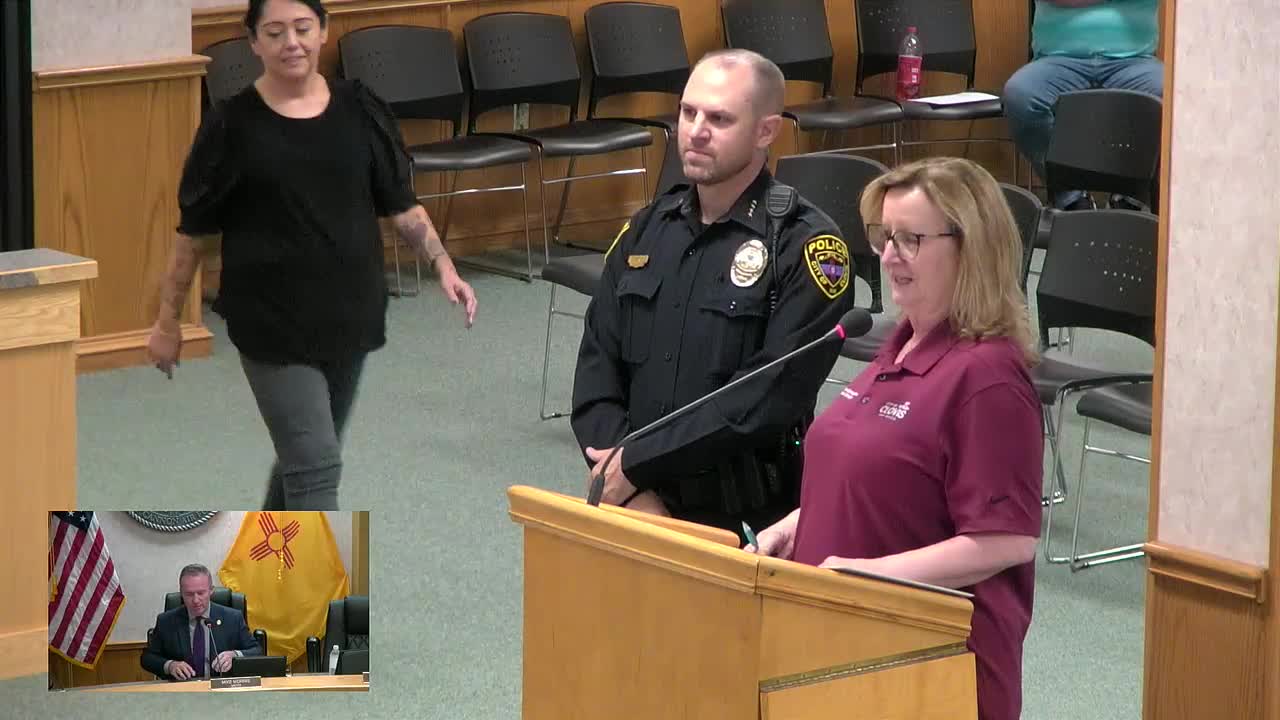
Clovis Municipal Schools leaders presented the City Commission with details of a proposed three‑phase plan to renovate and replace aging facilities, saying the first phase would require voter approval for a $60 million bond that would increase the tax rate by $2 per $1,000 of taxable value.
Clovis Municipal Schools leaders presented the City Commission with details of a proposed three‑phase plan to renovate and replace aging facilities, saying the first phase would require voter approval for a $60 million bond that would increase the tax rate by $2 per $1,000 of taxable value.
The presentation, led by Superintendent Renee Russ and district staff members Kevin Summers and Jay Brady, framed the plan as a 12‑year program that spreads large capital projects across three voter approvals: an initial tax increase for phase 1 followed by continuations for phases 2 and 3. “Phase 1 would get about $60,000,000 worth of work done,” Summers said.
District leaders told commissioners the work addresses parts of Clovis High School that are as old as 69 years and that the plan mixes renovations and targeted new construction in later phases. Summers said the November ballot would include two tax questions tied to schools: the bond, which would raise the rate, and a separate capital‑improvement continuance on the back of the ballot that would not change the tax rate if approved.
Why it matters: District officials said modernized facilities are needed to maintain competitiveness with neighboring districts that have recently invested heavily in career and technical education and new buildings. The district expects state matching funds to cover a significant portion of project costs and described the timing as opportunistic given current match rates.
Details and how the phases would work: Summers and Brady described a phased approach that reduces the number of times voters would be asked to increase taxes. Phase 1, the bond on the upcoming ballot, would support renovations including a performing arts center (renovating the existing lecture hall and linking choir and band spaces), restroom and classroom upgrades across several buildings, and locker room improvements. Later phases would include demolition of older buildings and construction of a two‑story freshman campus and further renovations.
The district estimates the initial tax impact using taxable value rather than market value; Summers clarified that taxable value in Clovis is typically about one‑third of market value after assessments. The district provided an estimate example: for a property with a taxable value near $200,000, the increase would translate to roughly $11 a month, though Summers described that as a rough comparison to everyday purchases.
Funding and matching: Summers said the district currently receives a favorable state match and described state programs such as the Capital Improvement Act (sometimes called the mill levy or Senate Bill 9 levy) as part of the funding mix that supports maintenance and capital projects. The district said phase 1 is sized to capture the current state match, and that phases 2 and 3 would be pursued later with voter approval to continue the rate rather than increase it further.
Commission questions and clarifications: Commissioners asked whether phase 1 represents full replacement of the high school or mostly renovation. District staff answered that phase 1 focuses on prioritized renovations and upgrades and that full replacement is planned across later phases; Summers said demolition and new construction would be part of phase 2 under the proposed timeline. Commissioners also asked for clarity about the meaning of “taxable value” versus market value; Summers confirmed taxable value is commonly about one‑third of market value in Clovis and that most homeowners would therefore see a lower dollar impact than using market value alone.
Next steps: District staff said they will continue voter education, with materials available at clovis-schools.org and through a QR code on their informational materials. The presentation was informational; the commission did not take a formal vote on the bond itself during the meeting.
Ending: Superintendent Renee Russ thanked the commission for time and said the district will provide additional information to the public and the commission as planning and design proceed.