Get Full Government Meeting Transcripts, Videos, & Alerts Forever!
Get email alerts on the Artificial Intelligence topic
No spam. Unsubscribe anytime.
District outlines phased AI plan for students and teachers, adopts Magic School AI for classrooms
Summary
The district presented a phased approach to AI instruction and staff training, adopted Magic School AI as a district-approved instructional tool with privacy protections, and created an EduAI collective to develop usage guidance and an assessment scale.
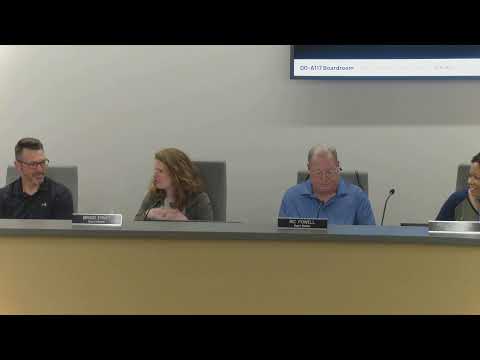
District Technology Integration Coordinator Kendra Carlson told the Southeast Polk Community School District Board on Oct. 2 that the district is taking a phased, districtwide approach to teaching and managing artificial intelligence in classrooms.
Carlson described district activities already under way: elementary lessons delivered by teacher-librarians and counselors focused on what AI is and digital safety; middle- and high-school lessons covering ethics, social media intersections and when using AI constitutes academic dishonesty; and professional development for teachers. She said the district formed an EduAI collective of 12 teachers, instructional coaches and administrators to draft a usage and assessment scale differentiated by grade level.
The district adopted Magic School AI as a recommended tool because, Carlson said, the platform is designed for instruction and ‘‘does not sell, collect, or share any of the data’’ entered into it. She described how teachers create curated, classroom chatbots with tailored parameters and students join with a code; teachers can review each student's inputs and outputs for transparency and instructional oversight. Carlson said the district is encouraging teachers to use Magic School for job‑related tasks and classroom activities because the vendor states the platform does not feed user inputs back into broader model training.
Carlson acknowledged challenges: student access to outside AI tools, accuracy concerns and the risk of shrinking productive struggle if students rely on AI for answers. She said the district has content filtering that blocks open AI sites (ChatGPT, Claude, Copilot) on school devices for students under 18, and that the district uses Securly for device filtering and parent notifications about student searches. District staff said certain high‑severity alerts from Securly do route to district administration for follow-up.
Board members questioned parental outreach and monitoring. Carlson said the district will explore multiple parent‑facing formats (short videos by grade level, optional seminars, and information at parent‑teacher conferences) rather than a single large seminar.
Why it matters: The plan seeks to provide guardrails for student use of AI, instructional guidance for teachers, and a privacy‑focused platform to reduce the risk of student data being used to train external models. The EduAI collective and the proposed AI usage/assessment scale aim to balance academic integrity with legitimate instructional uses of AI.
Speakers and attributions
Kendra Carlson — District Technology Integration Coordinator — delivered the presentation and is the source of direct quotes about the district plan and Magic School AI. District staff described filtering (Securly) and the policy to block open-AI platforms on district devices used by minors.
Next steps
The EduAI collective will meet through the school year to develop the usage/assessment scale and bring recommendations to the administration and board; the district will communicate tools and classroom practices to teachers and explore parent outreach resources.