Get Full Government Meeting Transcripts, Videos, & Alerts Forever!
Get email alerts on the Public Comment Lived Experience topic
No spam. Unsubscribe anytime.
Parents, relatives and youth describe trauma and call for 'poverty is not neglect' implementation
Summary
Multiple speakers at the Sept. 30 hearing gave eyewitness testimony about child welfare interventions that they say caused harm. Speakers urged the council to implement 2022 recommendations — including treating poverty as not constituting neglect — to limit unnecessary removals and expand concrete supports.
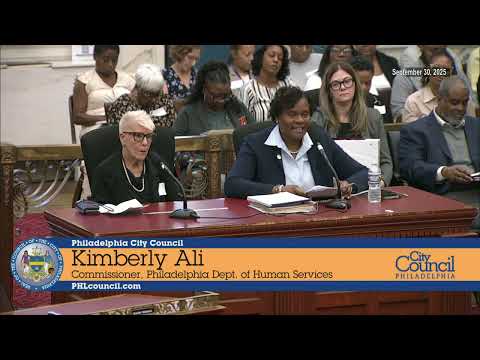
The City Council committee heard extended public comment from parents, relatives and people with lived experience who described painful interactions with child welfare and with community umbrella agencies.
Several speakers gave detailed personal accounts of family separations they described as unjust, mismanaged or motivated by poverty rather than imminent child-safety threats. Orletia Hamilton Waring described a case in which a therapist’s report led to allegations about her husband and a long investigation; Kaseyra King said she endured years of abuse in an adoptive placement and then homelessness after aging out of care. Other commenters, including foster caregivers and kinship providers, recounted instances in which family members were not notified, casework was inconsistent, or workers made assertions that later proved incorrect.
Multiple public speakers urged the council to implement the recommendations of the 2022 special committee on child separation — often referenced in testimony as the "poverty is not neglect" recommendation — and to increase cash and housing supports so families are not separated for material hardship. One advocate summarized the call: "Take away our poverty, not our children."
Why it matters: Council members said the testimony reinforced concerns voiced by experts about the need for prevention and better wraparound supports. Members repeatedly asked DHS for clearer information on safety plans, how kinship care is tracked, and the department’s role when families voluntarily ask for help.
Ending: Committee members asked DHS for supplemental materials and follow-up meetings with advocates and parents who testified. Several members pledged to pursue budget and policy options that would expand prevention dollars and to evaluate how the department documents and monitors safety plans and voluntary family arrangements.