Get Full Government Meeting Transcripts, Videos, & Alerts Forever!
Cambridge council hears objections to 22% commercial tax-rate shift; delays vote for two weeks
Summary
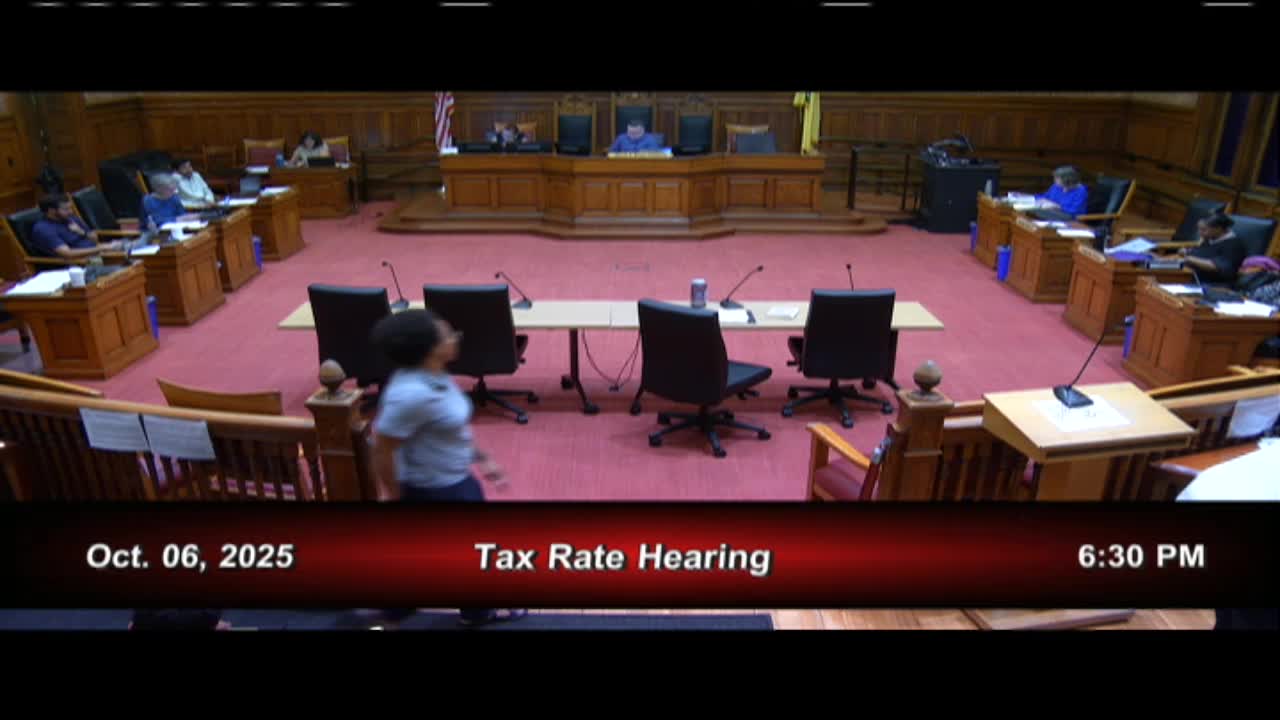
Cambridge City Council members heard more than an hour of public comment on Oct. 6 about a proposed change to how the city divides property tax burden between commercial and residential taxpayers, then delayed a final vote for two weeks.
Cambridge City Council members heard more than an hour of public comment on Oct. 6 about a proposed change to how the city divides property tax burden between commercial and residential taxpayers, then delayed a final vote for two weeks.
The council convened a special hearing on votes the city must send to the Massachusetts Department of Revenue to set tax rates for fiscal year 2026. City officials recommended keeping a “split rate” — one rate for commercial property, a lower rate for residential — while shifting the allocation so that commercial properties would be taxed at 152% of the residential rate (up from 140% this past year). City staff said that shift is intended to protect residential taxpayers, but it results in a much larger percentage increase to the commercial tax rate this year than Cambridge residents are used to.
The proposal prompted an extended public-comment period in which small-business and nonprofit leaders — including Denise Jillson of the Harvard Square Business Association, Ivy Moylan of the Brattle Theatre and Dan Marshall of the Cambridge Community Center for the Arts — said the change was announced with little notice and warned a 22% commercial tax-rate increase could be passed down to tenants and customers. They asked the council to delay the vote to allow more stakeholder analysis and outreach.
City manager’s context and staff analysis
City staff and the city manager told the council the recommended split reflects the budget the council adopted this summer and larger valuation changes that have occurred in the commercial class. The administration said the FY26 operating budget growth is 3.8% while the levy (the total property-tax dollars the city plans to collect) was set to grow 8% during the budget process. Staff…
Already have an account? Log in
Subscribe to keep reading
Unlock the rest of this article — and every article on Citizen Portal.
- Unlimited articles
- AI-powered breakdowns of topics, speakers, decisions, and budgets
- Instant alerts when your location has a new meeting
- Follow topics and more locations
- 1,000 AI Insights / month, plus AI Chat