Get Full Government Meeting Transcripts, Videos, & Alerts Forever!
Get email alerts on the Housing topic
No spam. Unsubscribe anytime.
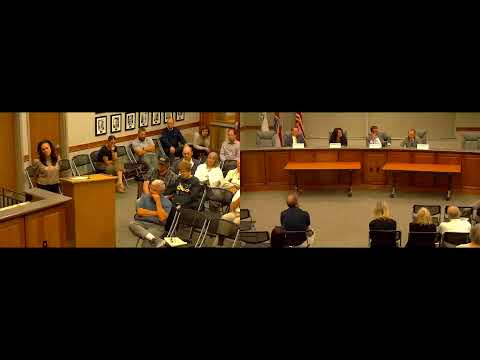
Candidates debate housing affordability, accessory units and where higher density belongs
Summary
Council and mayoral candidates discussed accessory dwelling units, designated south-end density and the balance between affordable housing and preserving Mapleton’s small‑town character.
Housing affordability and density featured in both the mayoral and city council debates, with candidates offering overlapping but distinct views on accessory dwelling units (ADUs), where higher-density housing should be located and whether state intervention is required.
Key points of agreement and disagreement
- Accessory dwelling units: Several candidates referenced ADUs (basement apartments, garage apartments) as a local tool to increase affordable options without wholesale zoning changes. Jake and Casey described recent ordinance changes allowing basement apartments and accessory structures that can be rented as a path to create smaller-scale, locally controlled affordable units.
- Designating density to the south: Multiple speakers noted the city’s general plan already anticipates higher-density housing on Mapleton’s south end. Francis and Jake said concentrating townhomes and condos in the south end preserves the East Bench’s low-density character while providing housing options.
- State mandates and local control: Candidates generally opposed state takeover of local zoning but acknowledged statewide housing pressure. Casey and Jake urged local solutions and warned that stripping zoning authority from cities would be counterproductive.
Why it matters: Housing supply and price affect whether local young families and workers can afford to live in Mapleton; decisions on ADUs, lot sizes and where to permit higher density influence long-term neighborhood character.
Details and context
- Cost and market reality: Speakers observed that “affordable” units in the current market may still cost several hundred thousand dollars; Jake summarized, “half a million dollars for a townhome or condo is not affordable for many.”
- Tools in use: Candidates pointed to existing tools — basement apartments subject to fee and code rules, accessory dwelling unit allowances, and designated higher-density zones in the general plan — as mechanisms the city already uses to respond to housing demand.
- Community preferences: Multiple council candidates stressed listening to neighborhood input before approving zone changes and recommended proactive outreach to residents who would be affected.
Provenance: Remarks on ADUs, general-plan zoning and the south end’s denser housing occur across both debate sessions; representative excerpts are near transcript times 5593–5780 and 5702–5780 where council and mayoral candidates discussed ADUs, Harvest Park and south-end density.