
Forum candidates discuss transparency, renter notice and protections for immigrants
Get AI-powered insights, summaries, and transcripts
Subscribe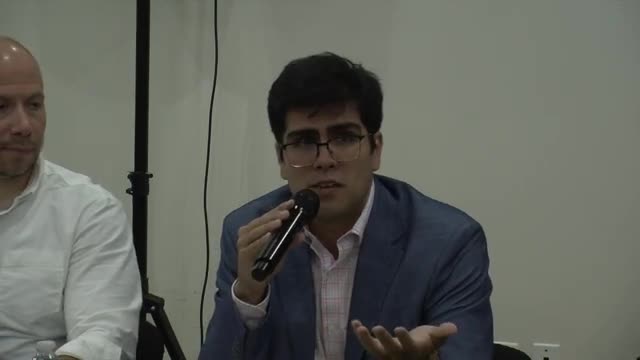
Summary
Candidates criticized state notice rules that prioritize property owners, pledged more renter notification, rapid‑response know‑your‑rights work and community outreach, and emphasized rebuilding trust between government and residents.
Candidates at the Chelsea forum addressed government transparency, renter notification practices and community protections for immigrants, including how to respond when federal agents appear in the city.
Why it matters: Candidates argued that existing notice practices and communication channels often leave renters and non‑English speakers out of city decisions; several also described community responses to immigration enforcement as a current public‑safety and civil‑rights concern.
Roberto said state law often requires the city to notify property owners, not renters, and that Chelsea must “go above it” by notifying renters directly so affected households hear about proposals that affect their homes. He argued corporate landlords frequently receive notices while tenants do not.
Melinda Vega described ‘‘know your rights’’ and rapid‑response trainings that provide residents with contact procedures and steps to take if federal agents are present. She said the city has held trainings and rapid‑response preparations to make sure residents know whom to call and what to expect in encounters with enforcement officials.
Multiple candidates raised broader trust and transparency issues. Manuel said the council’s role is to implement voter directions and cited a recent local land use controversy where large numbers of residents opposed a fish‑processing facility; he said the city should respond to clear community input rather than advance projects that lack neighborhood consent.
Candidates proposed specific administrative measures: multilingual outreach, partnerships with community groups, expanded renter notifications beyond state minimums, more proactive door‑knocking and community meetings after major decisions, and rapid‑response protocols for immigration enforcement events.
No formal legislative changes were adopted at the forum; candidates described priorities they would pursue from council seats and urged resident engagement to hold officials accountable.