
Wyoming insurance officials warn ending enhanced ACA tax credits and new enrollment rules could sharply raise premiums
Get AI-powered insights, summaries, and transcripts
Subscribe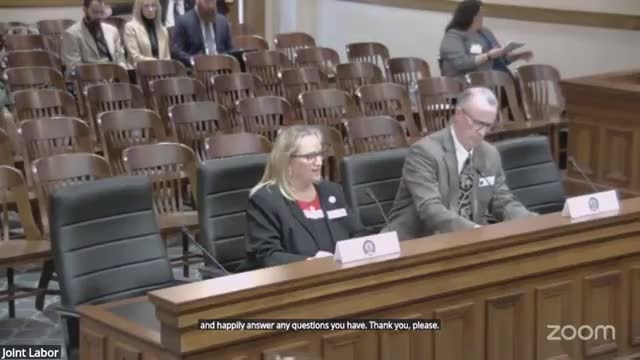
Summary
Wyoming’s insurance commissioner and health department officials told the Joint Labor, Health & Social Services Committee that implementation of HR1 (the "One Big Beautiful Bill") will change how people enroll and qualify for Affordable Care Act marketplace plans and that the scheduled expiration of enhanced premium tax credits could sharply increase premiums for many consumers.
Wyoming’s insurance commissioner and health department officials told the Joint Labor, Health & Social Services Committee that implementation of HR1 (referred to in testimony as the "One Big Beautiful Bill") will change how people enroll and qualify for Affordable Care Act marketplace plans and that the scheduled expiration of enhanced premium tax credits could sharply increase premiums for many consumers.
Jill Reinke, senior health policy analyst at the Wyoming Department of Insurance, told the committee that key administrative changes include ending automatic annual reenrollment and provisional eligibility for premium tax credits, and shortening annual open enrollment: beginning in 2026 enrollment will open Nov. 1 and close Dec. 15 rather than Jan. 15. Reinke said the change will require a major public outreach campaign because about 10 million people nationally were automatically reenrolled last year and many Wyoming consumers will need to verify eligibility sooner.
Reinke said insurers and state officials have prepared two premium scenarios — one assuming enhanced premium tax credits remain in place and one assuming they expire — and that the loss of enhanced credits could produce very large increases for some consumers. Using the department’s examples, base premium changes previously modeled at about 20 percent could translate into 200–300 percent increases for certain households if enhanced credits end, because many Wyoming enrollees currently receive subsidies that greatly lower their premiums. Reinke said roughly 40,000–47,000 Wyoming residents were enrolled in a marketplace plan and that about 95 percent of those currently receive subsidies.
Commissioner Jeff Root and Reinke stressed that the department does not know how many people will drop coverage if subsidies end, and that the state lacks a reliable way to predict which demographic groups would remain insured. Department outreach plans include monthly public service announcements, consumer guides, and coordination with national organizations and insurers. Reinke said the Department of Insurance and the Department of Health are coordinating messaging and encouraged insurers to publish premiums under both subsidy scenarios to allow consumers to plan.
Committee members pressed officials on particular concerns raised by rural constituents, including farmers and ranchers whose income can vary significantly from year to year and whose household income can jump when a single large sale occurs late in the filing year. Senator Scott asked whether premium subsidies must be reconciled when households file taxes; Reinke and the Department of Health explained that subsidies are initially based on estimated income for the year and may later be reconciled on tax returns, potentially triggering repayment or a cap on repayment that will change under HR1 timelines.
Public comments in the hearing reinforced the urgency of outreach. Pat Sweeney of Healthy Wyoming told the committee that some households could face large premium increases if subsidies expire and shared concrete examples (a 60‑year‑old couple and a family of four were cited in public testimony with projected increases into the tens of thousands under a no‑subsidy scenario). Committee members and witnesses also raised questions about market structure: two insurers will participate in the marketplace in Wyoming (Blue Cross Blue Shield and UnitedHealthcare), and private small‑group markets have contracted in many areas. The department noted the small‑group market remains challenging and that the marketplace composition could change.
What to watch: The committee was given two key near‑term dates — Nov. 1 is open enrollment start; the federal decision whether to extend enhanced premium tax credits will affect 2026 premiums. The departments emphasized a "wait and see" stance about ultimate enrollment and coverage impacts: much depends on federal action to extend subsidies and on consumer behavior in response to new enrollment and verification rules.
Background: Reinke noted that HR1 also included items not strictly related to enrollment (for example provider tax program changes) and that Wyoming’s Medicaid program is structured in ways that limit some impacts other states will face. The Department of Insurance said it will continue to coordinate with national insurance organizations and with insurers on filing assumptions and consumer messaging.
Ending: The departments urged the committee to prioritize outreach and consumer assistance to help people understand shorter reenrollment windows and to prepare for possible subsidy changes.