State delegation and Chelsea leaders outline Everett stadium plan, stress cleanup, transit and public input
Loading...
Summary
State Senator Sal DiDomenico and State Representative Judith Garcia gave Chelsea residents an update on the proposed Everett waterfront stadium and the process that would have to occur before any construction can begin.
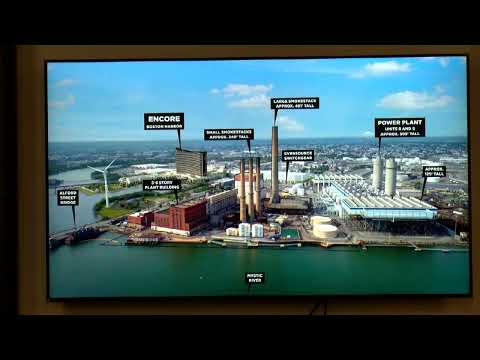
State Senator Sal DiDomenico and State Representative Judith Garcia gave Chelsea residents an update on the proposed Everett waterfront stadium and the process that would have to occur before any construction can begin. The officials spoke at a Chelsea City meeting to explain state approvals, environmental cleanup plans and a package of transit and access measures described as necessary to move people to and from a 25,000‑seat stadium proposed on a contaminated former power‑plant site.
The project remains in its early stages: "The legislation did not say we're building a soccer stadium tomorrow. Legislation said lifting a DPA to explore the possibility of building a soccer stadium," Senator Sal DiDomenico told the meeting. He and Garcia emphasized that lifting the site's Designated Port Area (DPA) and subsequent state permitting under Chapter 91 would trigger multi‑step public review across affected communities, including Chelsea.
Why it matters: the site is a heavily contaminated waterfront brownfield that state and local leaders say a private developer — identified in presentation materials as the Kraft Group — has proposed to clean and redevelop. DiDomenico told the meeting the developer would pay for demolition and cleanup, and that the stadium and cleanup would be privately financed. He said the stadium cost estimate discussed in the presentation included an $700 million stadium price and a cleanup estimate cited in the presentation as $8 million; elsewhere in the session an earlier, larger cleanup figure (up to $80 million) was also mentioned. Officials cautioned these dollar figures are developer estimates and subject to change.
Planning and approvals: DiDomenico said the DPA designation is managed by the state's coastal regulatory structure and that lifting it is rare and requires a specific project and legislative and administrative steps. He described a timeline in which Boston and Everett negotiate terms with the developer through the end of the calendar year and, if no agreement emerges, enter mediation or binding arbitration. "If there is no agreement ... it goes to binding arbitration," DiDomenico said, adding that a resolved agreement would allow Chapter 91 public processes to begin, enabling residents from Chelsea and other nearby communities to weigh in on traffic, environmental and waterfront design issues.
Cleanup, park and union jobs: Presenters said the plan would convert the industrial site to a public waterfront park and an activated stadium site. DiDomenico said the developer proposes the project as privately funded and that union labor agreements are already planned: "...it's going to be all union, union already signed an agreement with them," he said. Officials said no state funds would be used for demolition or stadium construction.
Transit and access measures: Officials described a package of transit, pedestrian and water‑transit measures intended to limit parking and car trips. DiDomenico noted the stadium concept includes just 75 on‑site parking spaces "and that was done by design," adding that the project team plans to rely on improved MBTA service, a civil‑line rail extension, a funded pedestrian bridge between Assembly Row and the casino site, frequent bus routes, shuttle services and ferry service. The senator said the pedestrian bridge was funded and aimed for construction readiness in 2029, and that additional transit steps would be needed before any stadium opening.
Local questions and concerns: Chelsea officials and residents pressed state officials on equity, emergency response, neighborhood access and potential burdens on Chelsea infrastructure. Chelsea City Councilor Roberto Jimenez asked whether adding rail service (a Tobin Bridge corridor or Orange Line spur) was being considered to reduce regional congestion; DiDomenico said more extensive rail projects are discussed as longer‑term options but are not ready for immediate deployment. Others raised concerns about odors and soil removal, the disposition of excavated material and the status of Mary O'Malley Park on the Chelsea side of the creek; officials said excavation contractors and offsite disposal plans are part of cleanup planning and that resiliency funding efforts for the Chelsea waterfront are ongoing.
Public process next steps: Both DiDomenico and Garcia said the immediate next milestone is a finished agreement among the negotiating parties (the developer, Boston and Everett). If that agreement is reached and the DPA is lifted, the Chapter 91 and related public permitting processes will open, with multiple opportunities for written and in‑person public comment from residents and municipal officials. Garcia said the state delegation will return for further briefings as those processes unfold.
What was not decided: There were no formal votes or city actions recorded at the meeting. Officials repeatedly said major details — surface type for the playing field (grass or turf), final cleanup costs, ultimate parking plans and the exact timeline for construction — are still being negotiated or remain to be determined in permitting. The presentation repeatedly framed the project as contingent on the pending intercity agreement and later state public processes.
Chelsea leaders said they will continue to press for mitigation and protections for residents during cleanup, for local hiring preferences and for transit and public‑space benefits. "As long as you have us, you're not being forgotten," the meeting host said, summarizing local officials' aim to remain at the negotiating table.
Ending: State and local leaders told residents the project could be transformative but warned it will take years of permitting and infrastructure work before any demolition or construction begins, and urged residents to participate in the Chapter 91 and related public review when those processes start.