Get Full Government Meeting Transcripts, Videos, & Alerts Forever!
Get email alerts on the Legal Support topic
No spam. Unsubscribe anytime.
Borough attorney says he can assist district but flagged conflicts and in‑kind tracking
Summary
Borough attorney Glenn Brown told the school board he can provide more legal support to the district for operational items but warned of workload limits, possible conflicts of interest and state scrutiny of borough in‑kind services to the schools.
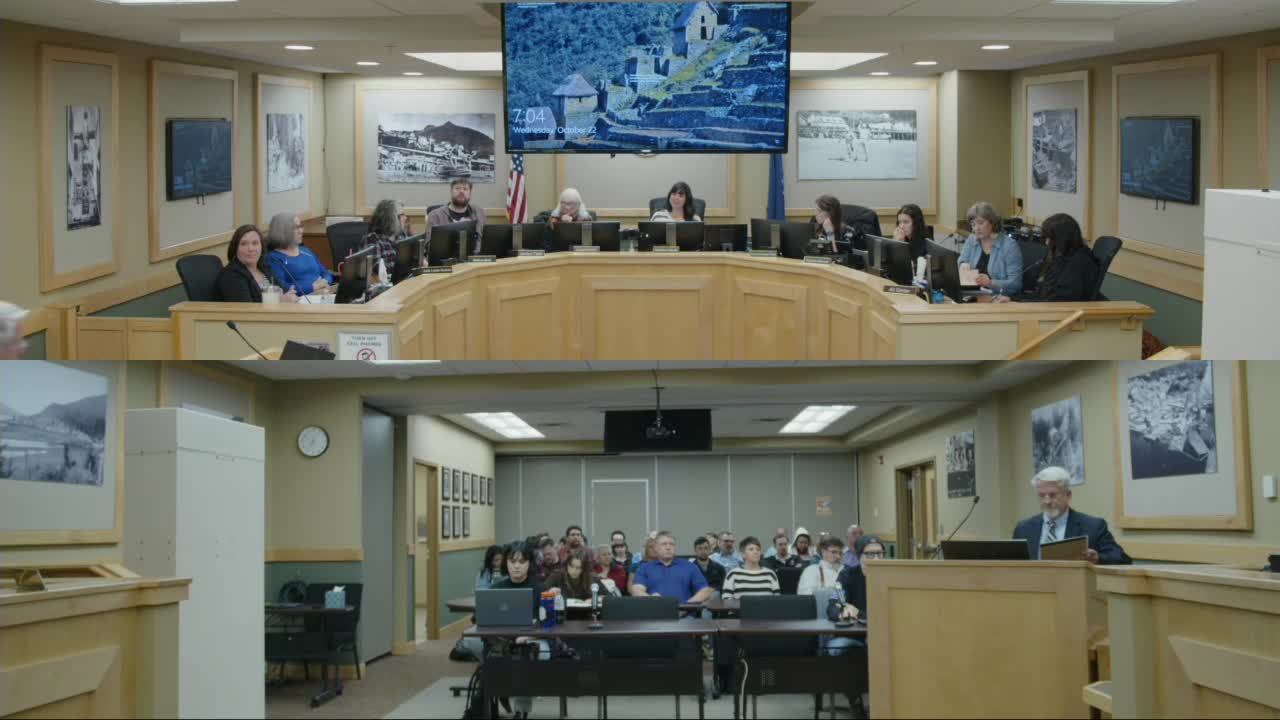
Glenn Brown, borough attorney for the Ketchikan Gateway Borough, told the school board Oct. 22 that he can expand the legal assistance he provides the Ketchikan Gateway Borough School District but flagged practical and ethical limits.
Brown said the level of legal work the borough law office can supply has varied historically and depends on staff and superintendent expectations. He told the board that he has provided situational "gut checks," short research responses and occasional memorandum drafting, but that larger matters such as protracted grievances, special‑education litigation or complex labor matters could exceed the two‑person borough law office’s capacity.
Brown also warned the board that state education officials track in‑kind contributions the borough makes to the district, and that closer scrutiny of what qualifies as an in‑kind borough service could affect state funding calculations. He said he had prepared fee agreements when matters looked likely to exceed de‑minimis scope, although in some past cases the agreements were not executed.
"I have the capacity to do more of that than I do, and I'm more than happy to do that," Brown said in response to the board's questions, while noting that conflicts of interest can occur because the borough is the borough's primary client and certain matters would require a waiver.
Why it matters: The district and borough have overlapping responsibilities — for example, district facilities are borough owned — and legal support affects contract management, procurement, labor negotiations and capital‑project MOAs. Brown recommended the district and borough clarify in writing which routine matters the borough will treat as de‑minimis assistance and which issues will require formal fee agreements or outside counsel.
Board response: Trustees asked for more detailed breakdowns of legal invoices and categories of legal work so the board can identify items borough counsel could reasonably absorb. Brown said he was willing to take on more operational legal work and to coordinate fee agreements when matters grow beyond de‑minimis scope.
Ending: The board asked staff to follow up on invoice breakdowns and to consider a clearer, written arrangement describing routine borough legal support and the circumstances that would require outside counsel.