Get Full Government Meeting Transcripts, Videos, & Alerts Forever!
Get email alerts on the No Wake Enforcement topic
No spam. Unsubscribe anytime.
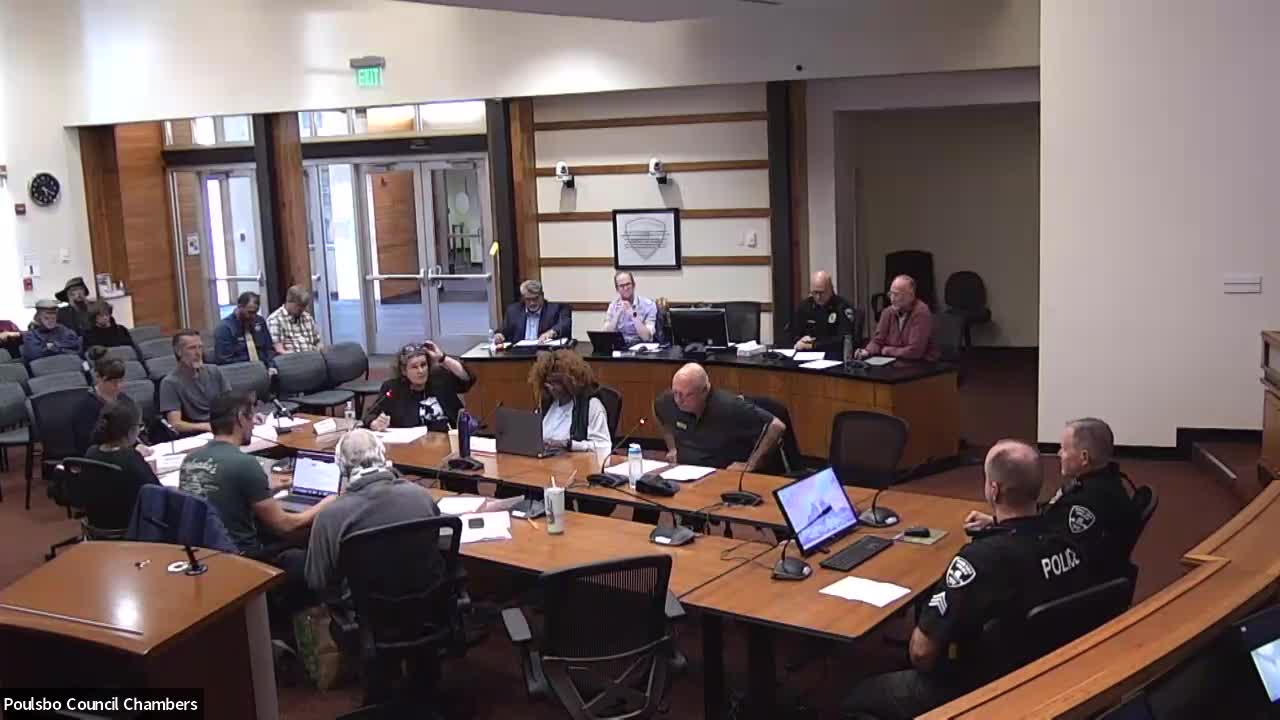
Poulsbo, Port discuss no-wake enforcement, buoys and safety for paddlers and rowers
Summary
Officials discussed increasing signage, targeted enforcement and outreach to Coast Guard auxiliary to reduce wakes that damage vessels and threaten kayakers, rowers and inexperienced visitors.
Poulsbo city and Port of Poulsbo officials discussed steps to reduce damaging boat wakes within Liberty Bay, including better signage, targeted enforcement during busy weekends and outreach to federal partners.
Why this matters: residents, recreational paddlers and marina tenants told officials wakes from fast-moving boats are damaging docks and small craft and present safety risks for less experienced visitors on kayaks and paddleboards.
City and port staff flagged several issues: existing “no wake” buoys are faded or missing; one remaining buoy was placed decades ago by a marina owner and is not a DNR-permitted buoy; and the Poulsbo Municipal Code currently sets an 8-mph limit within 300 feet of docks, anchored vessels or shoreline. Police and port officials said a rewritten sign plan and selective enforcement on high-traffic summer weekends would likely be more effective than constant patrols.
Law enforcement said federal and volunteer resources could help. Chief Ron Harding and port staff said the U.S. Coast Guard and the Coast Guard Auxiliary can provide increased presence, education and occasional boarding inspections. “The auxiliary will do inspection boardings or they will do education — this might be well suited for them,” Harding said.
Next steps: staff said they will investigate whether DNR buoy rules affect Poulsbo’s ability to replace markers, prepare a signage plan, and schedule targeted “wake emphasis” patrols in summer months and during holidays. Officials also suggested adjusting the municipal code to clarify a “no wake” standard (for example, adding a wake-specific rule in addition to the 8-mph speed limit).
Public safety note: officials repeatedly raised the risk to inexperienced kayakers and paddleboard renters who may be less able to handle wake events and hypothermia risk even in summer water temperatures.