Get Full Government Meeting Transcripts, Videos, & Alerts Forever!
Get email alerts on the Urban Trees And Planting Policy topic
No spam. Unsubscribe anytime.
Stow City forestry panel debates $125 street-tree fee, replacement policy and sidewalk impacts
Summary
Members of the Stow City Urban Forestry Commission discussed the city—s tree-planting opt-in fee and the city—s approach to replacing street trees damaged by sidewalks or removed for other reasons. Staff and commissioners debated subsidy levels, equity, and whether the city should mandate replacement instead of an opt-in paid model.
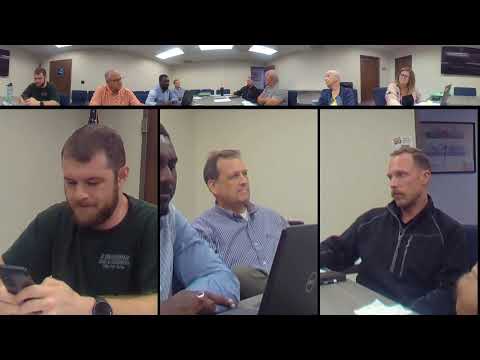
Stow City — At a meeting of the Stow City Urban Forestry Commission on Oct. 13, 2025, commissioners and staff discussed whether the city—s current $125 opt-in fee for street-tree plantings is deterring residents and whether the city should shift to an automatic replacement program for public-tree sites.
The conversation centered on the program cost and who benefits. Jeff, urban forestry staff, said the $125 charge is a subsidy and that the city currently covers the balance of planting costs and care: “The city's the city is it is a subsidizing. It's not it's not like you're you get a 125,000. You get a you get a 200 guard and the gator bag and the care,” he said. Commissioners raised concerns that residents resist paying for a tree that will sit in the public right-of-way rather than on private property.
Why it matters: commissioners said the city is losing more trees than it plants in places affected by sidewalk repair and other street projects and that the current opt-in model may leave disadvantaged neighborhoods with fewer replacements. That could affect stormwater management, shade cover and long-term infrastructure costs.
Most of the meeting covered how the city should balance resident choice, municipal costs, and equitable canopy replacement. Several commissioners argued for a replacement program that automatically funds a replacement tree where a street tree is removed, rather than requiring a resident to pay the fee. John, commission member, said the city—s sidewalk program and tree trenching can cause gradual decline: "We cut all these roots, and it took that long for the tree to respond poorly."
Commissioners discussed using the commission—s 2013 Urban Forest Master Plan GIS data to identify preferred planting sites and to make a stronger case to residents about the benefits of replacement plantings. Jeff said the data would allow the program to show property owners why a particular spot is a good location and how the planting generates benefits such as reduced stormwater and cooling.
No formal vote on changing the fee was taken. Commissioners asked staff to explore options for a replacement policy that would reduce the need for an opt-in payment and to prepare outreach explaining the subsidy and benefits.
Votes at a glance: The only formal recorded vote at the meeting was the approval of minutes from the Sept. 8 meeting. A motion to approve the minutes passed on a voice vote; participants responded "aye." No individual yea/nay roll-call was recorded in the transcript.
What comes next: Commissioners asked staff to bring proposals and data-backed options for changes to the planting program, including potential funding sources, to a future meeting so the commission and city leadership can evaluate policy and budget implications.